Stumblin' Along 9/1 '24
august

august
- Beech T-34 Mentor
- History of Labor Day Weekend
- YouTube Rabbithole
Alright @YouTheReader,
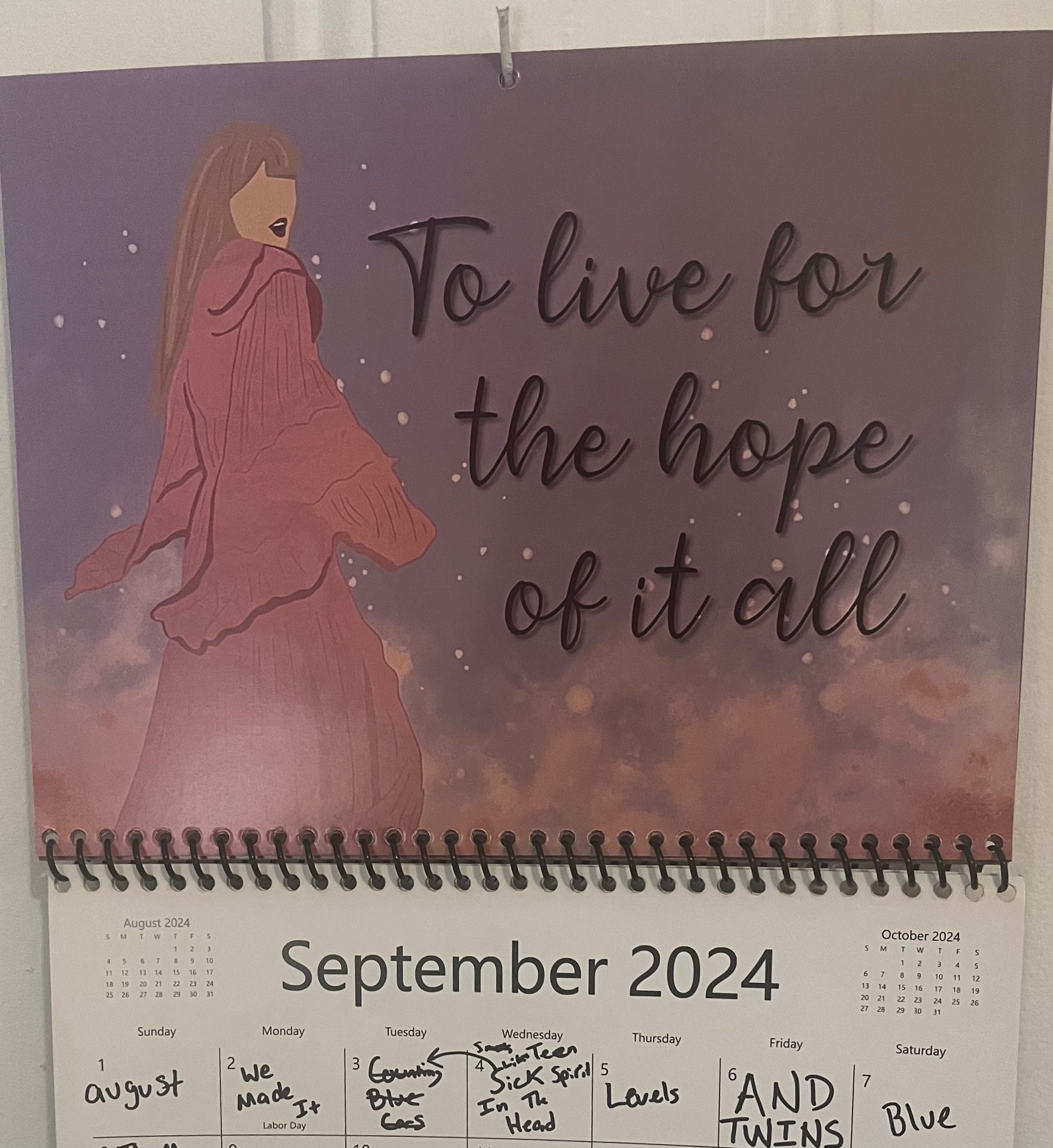
Today’s tune is Taylor Swift’s august. I’m sure the fellas are going to love this one but little do they know it’s the obvious pick because it’s what the oracle calendar my mother gifted me for Christmas says…
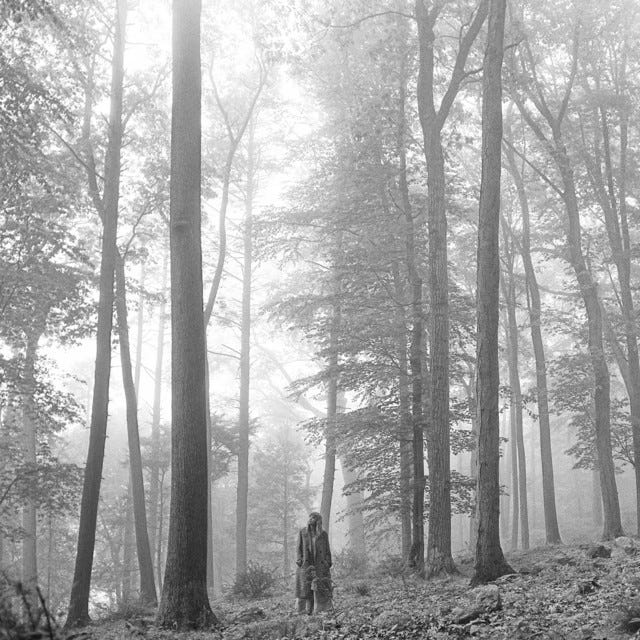
This was on her Folklore album that came out at the beginning of the COVID Era. Although the song didn’t make my personal Taylor Top 25, it’s likely ranked somewhere inside the Top 30, if I had to guess.
T-Swift’s flow in this 2nd verse doesn’t get the praise it deserves. I wouldn’t go as far as to say she floats on it like she does on other songs of hers, but damn well close.

Ahh, so this is about a summer fling with someone still in school. Sounds like the Connor Kennedy era, that’s Robert F. Kennedy’s grandson.
It's a nice tune, a bit melancholy, but I guess it describes what August can feel like if you’re not a football fan. Now, of course, Taylor has the Chiefs to root for.
On to an Intrepid Plane…
Beech T-34 Mentor
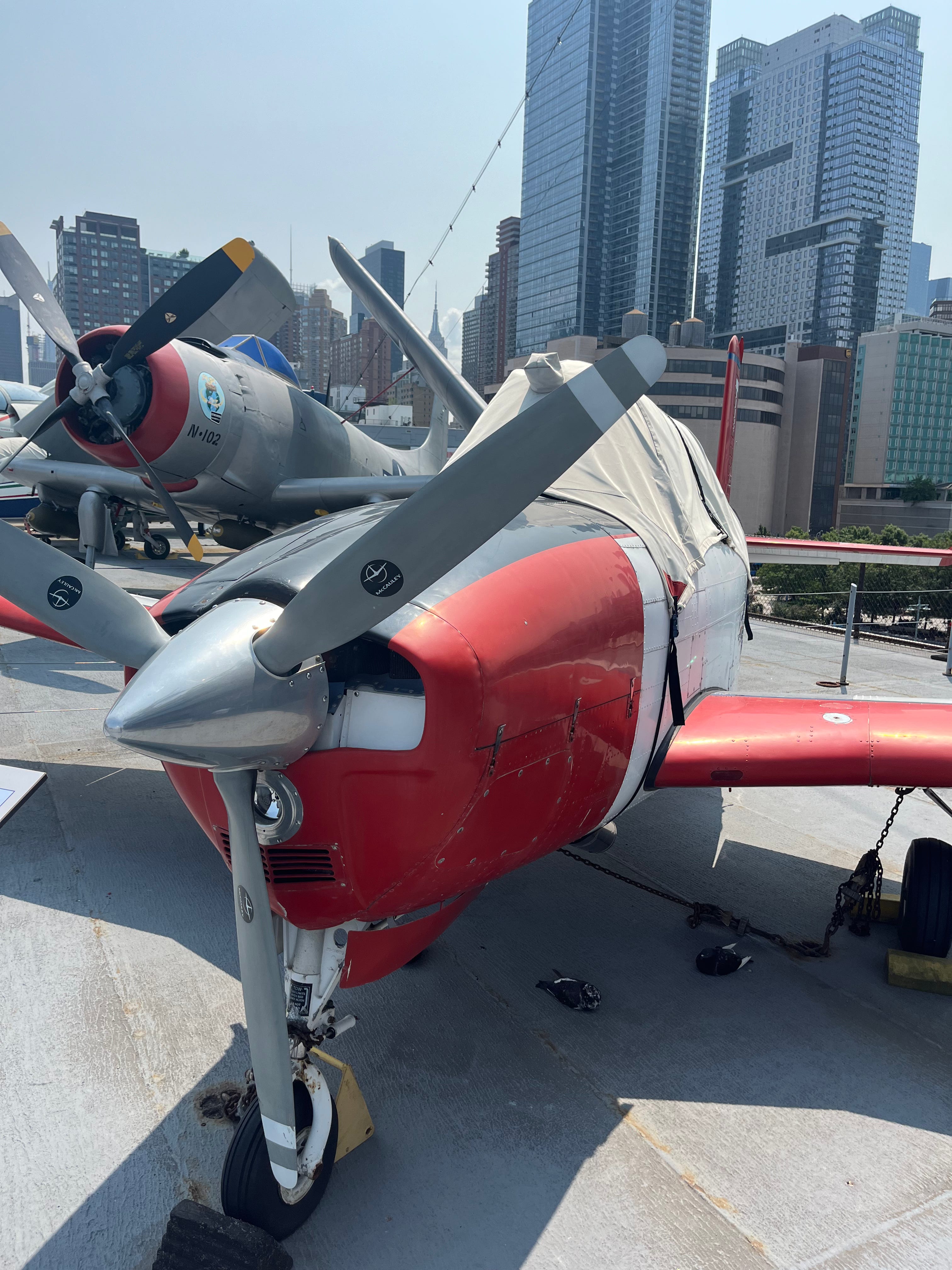
The Beech T-34 Mentor was a military basic flight training aircraft. It was built by the Beech Aircraft Company, known for its 4-seat civilian light planes nicknamed Bonanzas. The Bonanazas first started flying in 1945 and in just a couple of years were very popular in the general aviation markets.
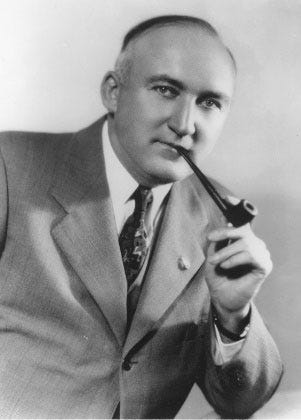
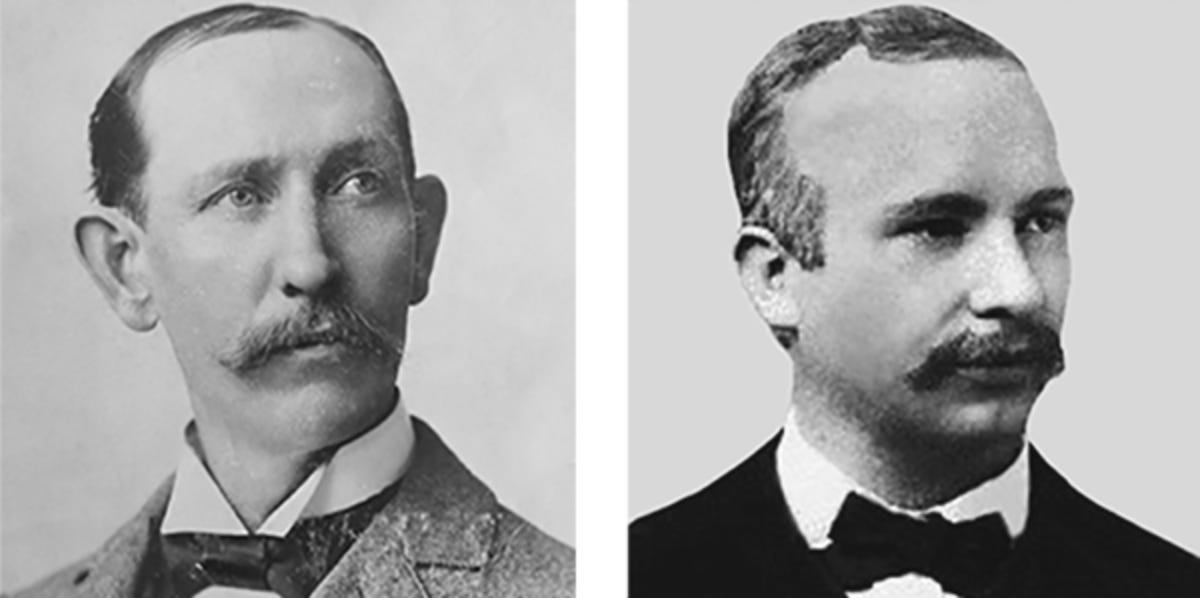
The company founder of Beech Aircraft Co. was Walter Beech. He grew up on a farm in Pulaski, Tennessee, and got interested in planes as a teenager after the Wright Brothers flew for the first time in December of 1903. That year attempted to make his own glider out of his mother’s sheets and wooden frames. When that ended in disaster it didn’t end his interest in flight as 11 years later he would fly a plane for the first time. 3 years later amid World War I, Walter Beech joined the Aviation Section of the US Army Signal Corps. As a pilot and engine expert, Beech helped instruct young fliers and would continue training others until 1920. After working with the US Army, Beech continued to fly, but instead, he started participating in aerobatic contests where he’d win trophies in 1921 and 1922. Perhaps his most prized trophy of the 1920s was the Edsel Ford Trophy where he earned $7,000 during a 12-day tour of 14 cities. With his notoriety and expertise, Walter Beech was able to start the Beech Air Craft Company in 1932 with the help of his wife Olive Ann Beech. She also knew a thing or two about flying as Olive Ann was known as the “First Lady of Aviation.”
(Source: Air University)
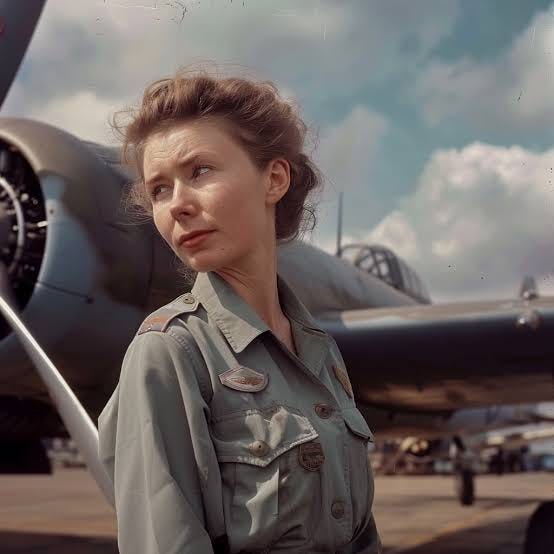
Beech Aircraft Company assumed that following WWII the US would need a new training aircraft so without the request of the military he developed the Bonanazas with the idea in mind the Beech T-34 Mentor could come next. The difference between the Bonanza and the Beech T-34 Mentor was the Bonanaza’s 4 passenger cabin was replaced with a two-seat dual-control cockpit. This way the student and instructor could work in tandem, one behind the other. Beech’s gamble paid off as the US Air Force ordered 60 of his Mentors in 1953. The following year, the US Navy would order plenty more.

The Beech Mentors would be in use in the US military to train pilots from the early 1950s until 2002. However, they did add some updated features along the way like in 1978 when they included a turboprop engine to the outdated 1940s engines. There were over 1,900 Mentors built in the United States and a few hundred built abroad in places like Japan, Canada, and Argentina. The Beech T-34 Mentor displayed at The Intrepid was used for training in the US Navy. Being that they helped train American and foreign pilots for over half a century, the Beech’s Mentors were extremely dependable. Walter Beech would pass away in 1950 and Olive Ann was largely responsible for overseeing the aircraft company. Walter would be inducted into the National Aviation Hall of Fame posthumously in 1977, while Olive Ann was enshrined in 1973. Beech Aircraft Corp is still around today but now goes by the name of Beechcraft.
Pretty cool. Never really thought much about the idea that we’d produce training planes for the military but it makes sense gotta start somewhere.
Labor Day Weekend
Before Labor Day was a federal holiday, some state legislatures developed the concept. NY was the 1st state to introduce the bill but New Yorkers lost out to Oregonians who were the first to pass a law recognizing Labor Day. They picked February 21st, 1887, which seems a bit random but I’m sure they have their reasons. Colorado, Massachusetts, New Jersey, and New York followed suit later on in 1887.
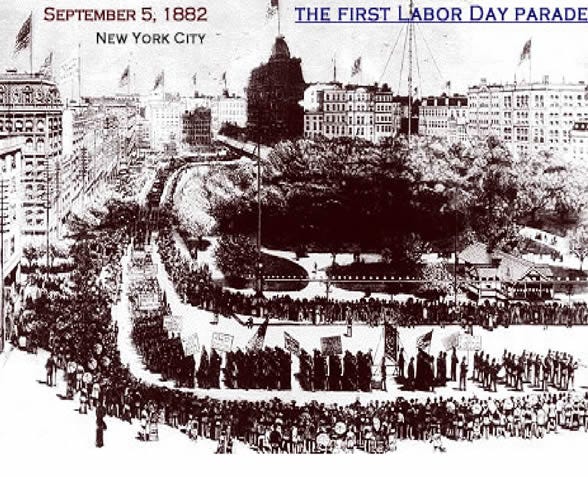
While this was all going down it was in the midst of the Industrial Revolution. People were working 12-hour days, 7 days a week just to get by. Before Labor Day was signed into law, New York City first celebrated “workingmen’s holiday” on September 5, 1882. 10,000 workers took unpaid time off to march from City Hall to Union Square, then spectators thought it looked fun so they joined in as well. An estimated 20,000 men and women attended the first Labor Day parade in New York City. Central Labor Union were the planners behind it and they brought an abundance of lager beer kegs stationed all over the place. Sounds like fun, especially if you usually worked 12-hour days for 7 days a week.
(Source: Labor Daze - US Department of Labor)
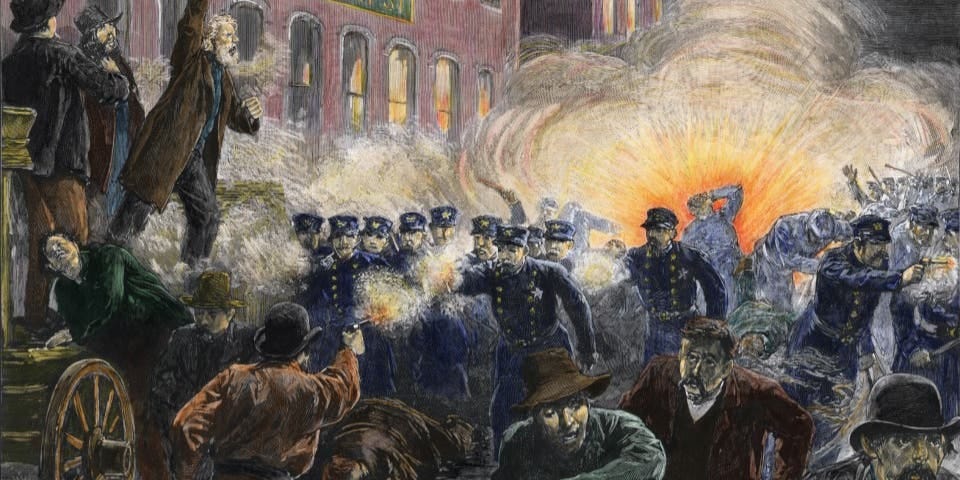
Not all the events that led us to our first Monday in September holiday went as well. On May 4, 1886, The Haymaker Riot took place in Chicago. It started off as a rally in protest of the killing and wounding of several workers by the Chicago police during a strike the day before at the McCormick Reaper Works. August Spies, a German immigrant, and editor of the anarchist newspaper, Arbeiter-Zeitung, published the headline “Workingmen, To Arms.” Spies organized a gathering at Haymarket Square and by nightfall 2,000 workers & activists were present. Police arrived to disperse the crowd and a bomb was thrown by the activists. 7 police officers and at least 1 civilian died while an untold number of other people were injured. The aftermath of the Haymaker Riot increased the tensions between workers and employers.
(Source: History Channel)
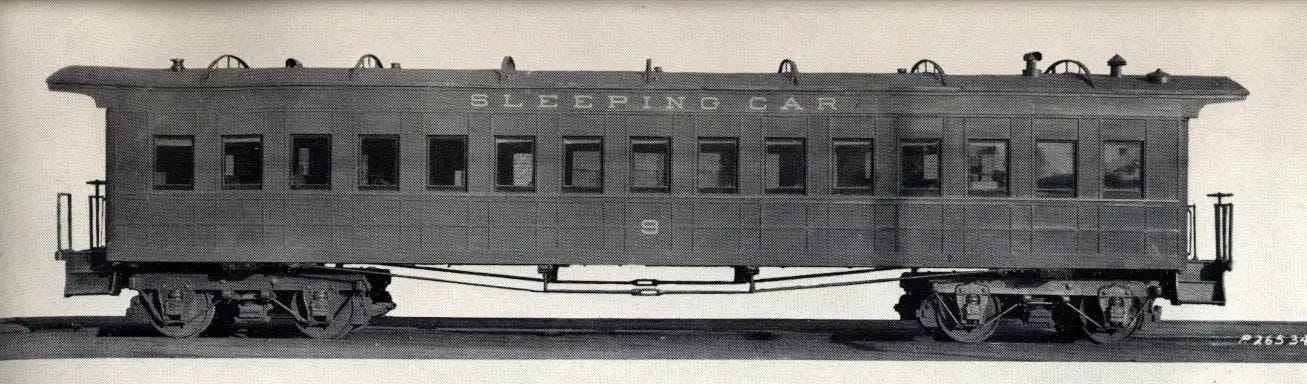
It wouldn’t be until 1894 that Congress would legalize the holiday on a federal level. After going the route of violence, more got done for workers when it started hurting the bottom lines. Workers of Pullman Palace Car Company went on strike in Chicago to protest wage cuts and the firing of union representatives. Pullman Company was famous for their sleeping cars which were essentially five-star hotels in transit for the elites at the time. The American Railroad Union called for a boycott of all Pullman railway cars which were a part of the Great Northern Railway Company. After a month-long effective boycott, President Grover Cleveland decided he had to get involved. This was the first time the federal government made an injunction to break a strike. He sent troops to protests to ensure that the trains would get moving. After another month of unrest, Pullman Company agreed to rehire the striking workers on the condition that they sign a pledge never to join a union. While this doesn’t sound like much progress, President Cleveland signed into law Labor Day be celebrated on the first month of September.
McGuire or Maguire?