Stumblin' Along 8/18 '24
Of Land and Sea

- The Intrepid
- New York Jets vs Carolina Panthers
Of Land and Sea
- YouTube Rabbithole
Alright @YouTheReader,
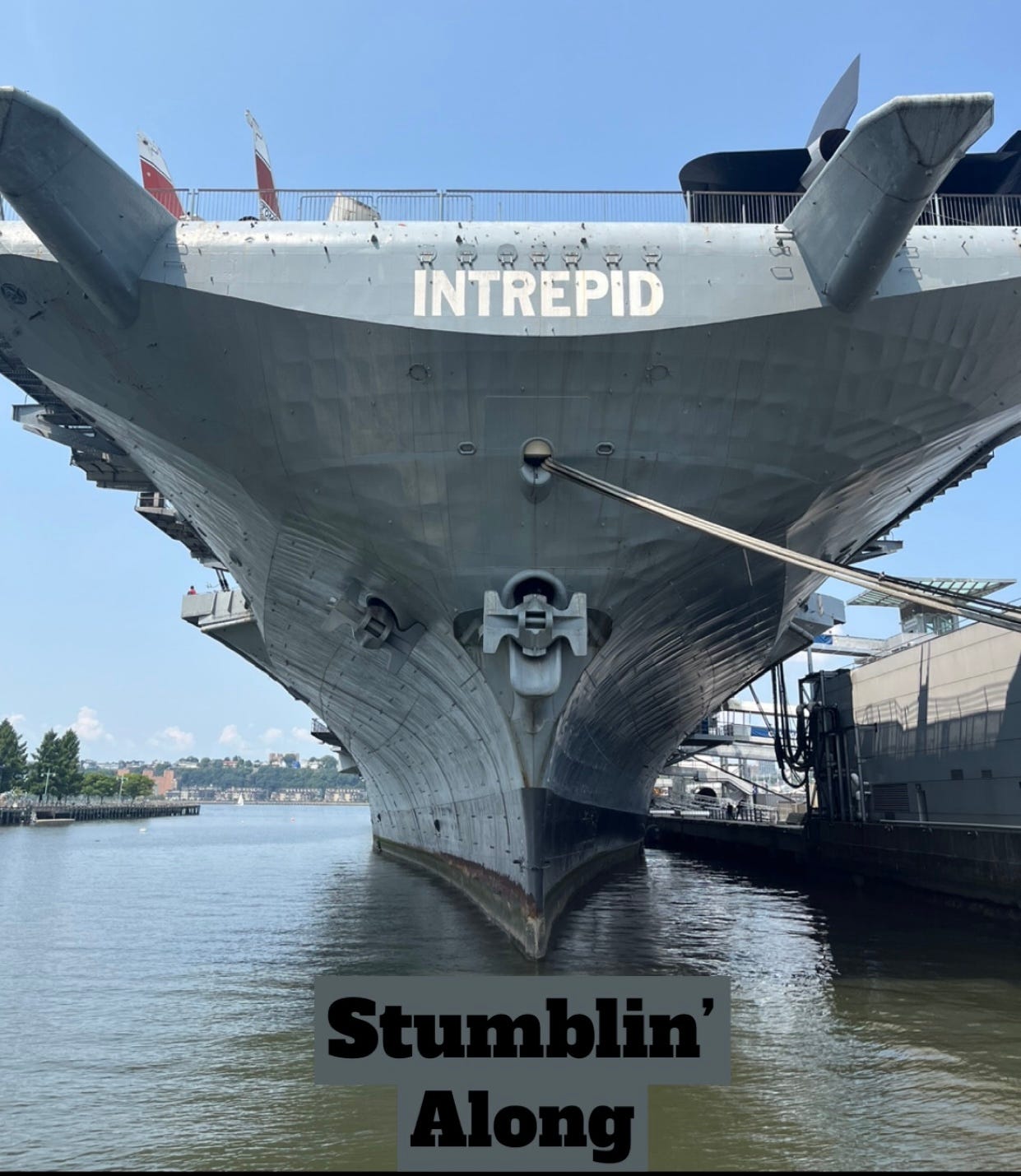
Earlier this week, I went to The Intrepid Museum docked in the Hudson River on the West Side of Manhattan. Although this is a Stumblin’ Along, I just want to clarify that I was not inebriated while on iconic American aircraft carrier…I was hungover, huge difference.
The guide for the Higlights Tour around The Intrepid was a man named Joe White. He was very knowledgeable, did a great job explaining some of the ship’s complexities in layman’s terms, and answered every question the group asked. I took some Notes…
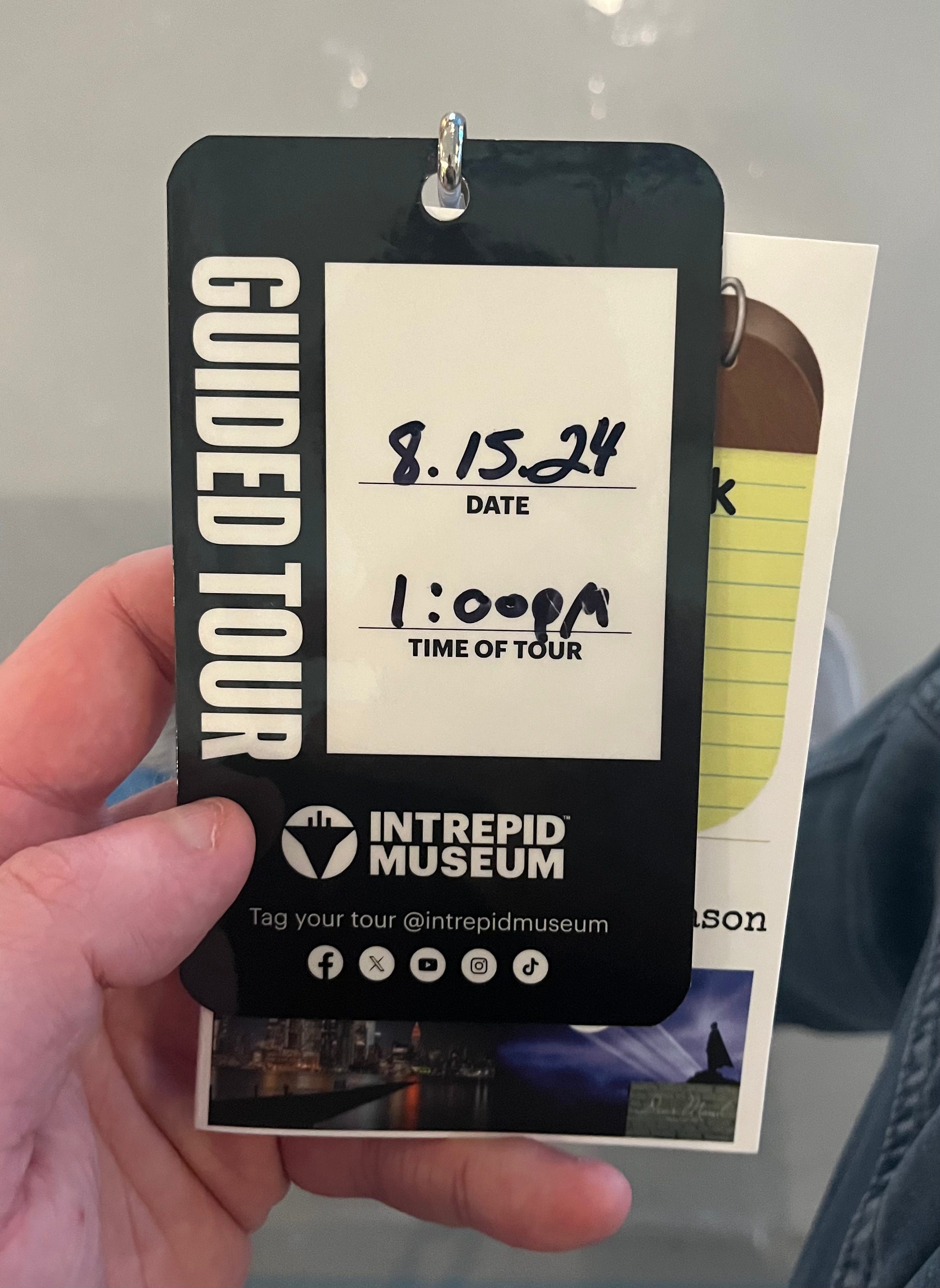
Construction on The Intrepid began on December 1, 1941. The initial projection for the production of the aircraft carrier was 3 to 5 years. All of those plans would change when just a week later Pearl Harbor was attacked on December 7, 1941. Thus, The Intrepid would be completed on April 26, 1943, and was commissioned on August 16, 1943, as the structure took just a year and a half to make.
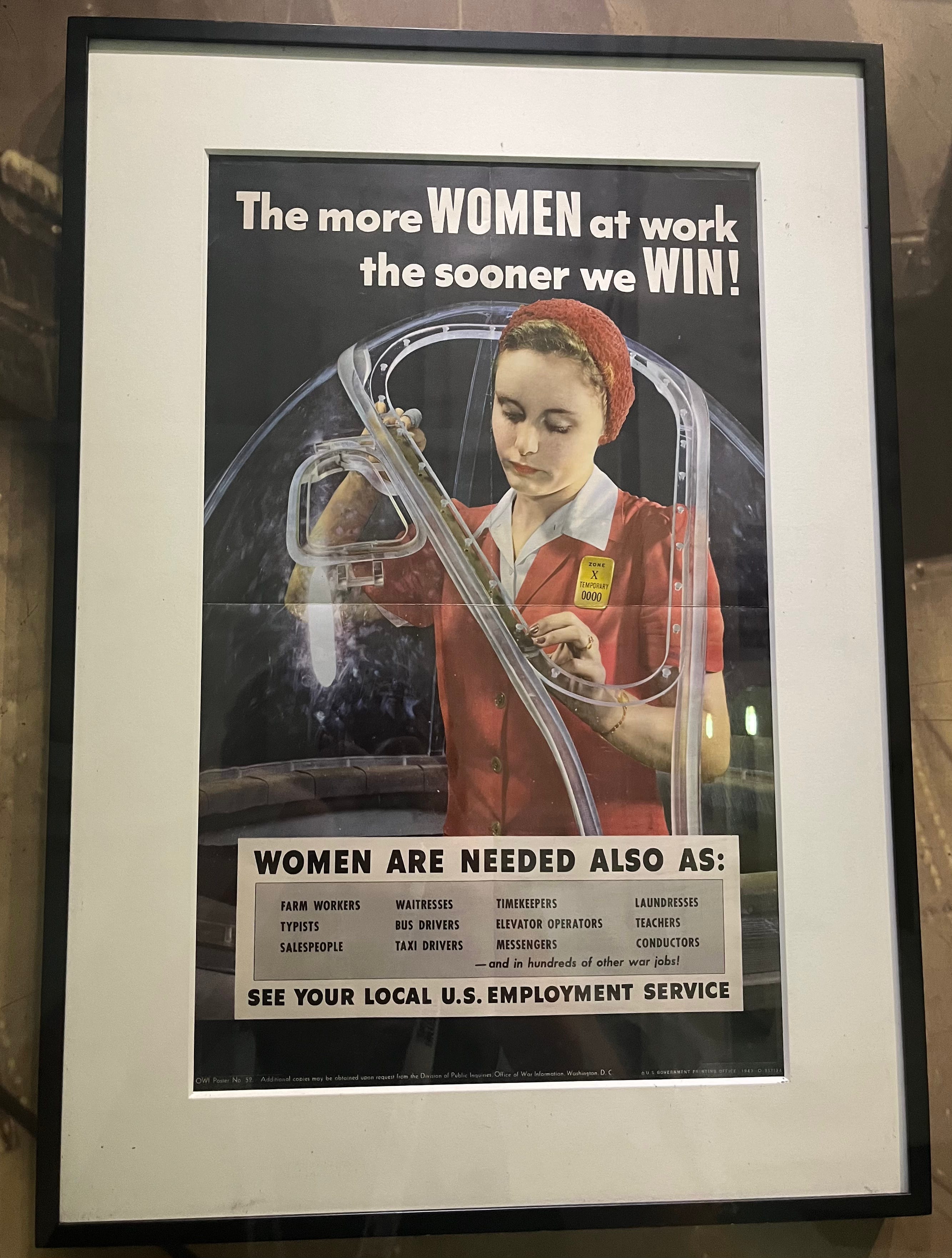
With many of the American men going into the military, American women were called upon to do most of the building of the aircraft carrier. Many of the women were also responsible for the building of the aircraft used in WWII as well. Before WWII, about a quarter of the American women population did work outside the home, however, they were largely restricted to “traditional female” professions like typing or sewing. 5 million women entered the workforce between 1940 and 1945, taking on jobs in defense plants or factories as well as replacing jobs of departing soldiers.
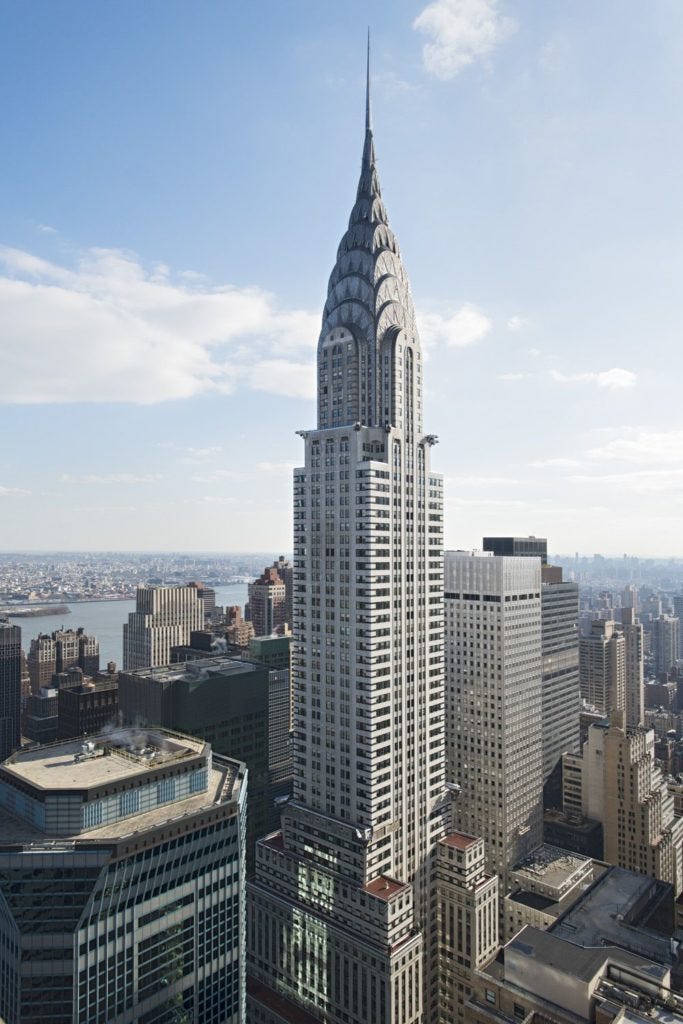
The Intrepid is massive with it’s overall length of 899 feet. If you were to stand it up vertically, it would nearly be the same size as the Chrysler Building. The Intrepid weighs over 27,000 tons and could carry roughly another 10,000 tons of equipment, people, and aircraft. It’s nuts to think they could make such a structure in 18 months during the 1940s.
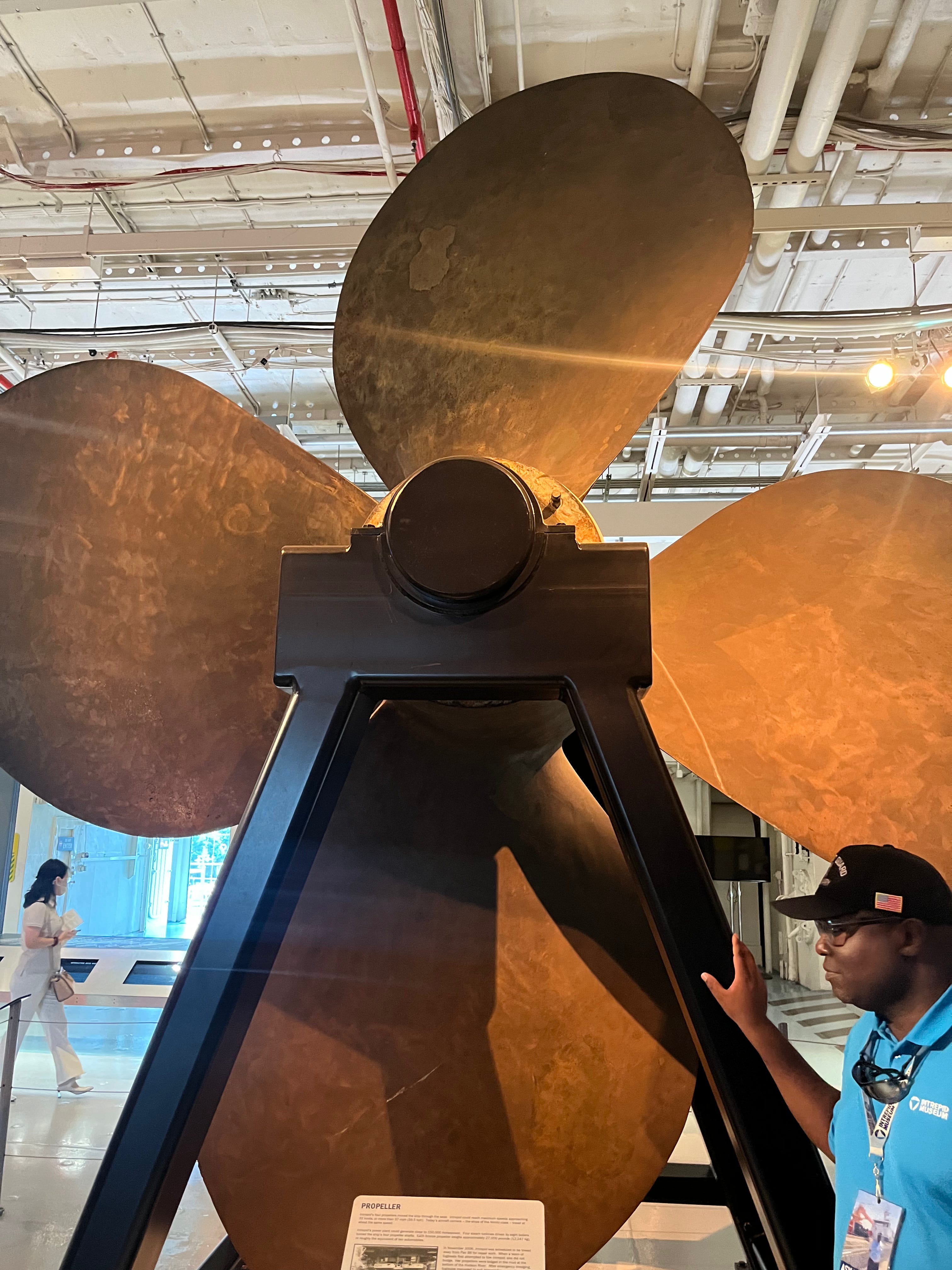
To move such a large aircraft carrier took 4 massive propellers. The museum has one on display. The ship could reach maximum speeds of over 35 miles per hour (59.5 kph). The Intrepid’s power plant could generate close to 150,000 horsepower as the 4 steam turbines were driven by 8 boilers. Each of the bronze propellers weighs about 27,000 pounds or the equivalent of 10 cars you’d see on the street. For a bit of context, the Titanic in its day had 46,000 horsepower so The Intrepid was well over 3 times as powerful as the unsinkable ship that sunk.
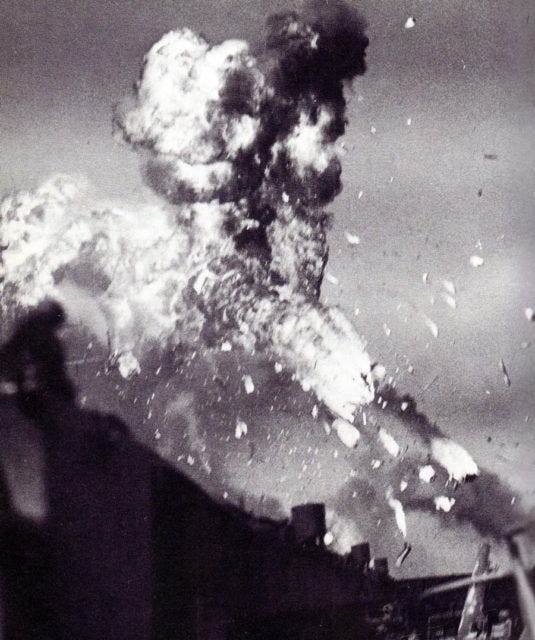
The Japanese famously nicknamed The Intrepid the “Ghost Ship.” When an aircraft carrier like The Intrepid is deployed in the ocean, it always has protection around it with fighter ships, submarines, and air support. During World War II in the Pacific, as the war escalated, they turned to kamikaze attacks, which must’ve been incredibly difficult to account for. The Intrepid would suffer 4 kamikaze attacks during WWII. The worst of the attacks occurred on November 25, 1944, when 69 crewmembers were killed. In total 88 crewmembers of The Intrepid would die from the attacks, however, the emergency crews were always able to keep the ship afloat, thus why Japan referred to it as a Ghost.


One of the last lines of defense on The Intrepid were anti-aircraft guns that were set up around the flight deck’s perimeter in “tubs.” The Oerlikon gun had the shortest range, so if sailors on the ship heard them going off, they knew the Japanese were getting very close to The Intrepid. Each tub had a team assigned to them with a gunner as well as other sailors who would reload. During WWII, the US Navy was still segregated and many black sailors worked as stewards, however, on The Intrepid, Gun Tub 10 was established to man anti-aircraft guns during combat. On October 29, 1944, a Japanese kamikaze pilot barreled into Gun Tub 10’s post, killing 10 men and wounding 10 others. Six of the gunners of Gun Tub 10 received the Bronze Star for valor. Alonzo Swann, one of the gunners involved in the tragedy, maintained that they were promised a higher honor of the Navy Cross, but they didn’t receive it due to discrimination. Swann has documents from the 1940s stating that these men were in line for the Navy Cross and continued to petition the Navy they were unfairly downgraded in honor. It wasn’t until 1993 when the members of the Gun Tub 10 and Alonzo Swann finally received the Navy Cross in a ceremony at The Intrepid Museum.
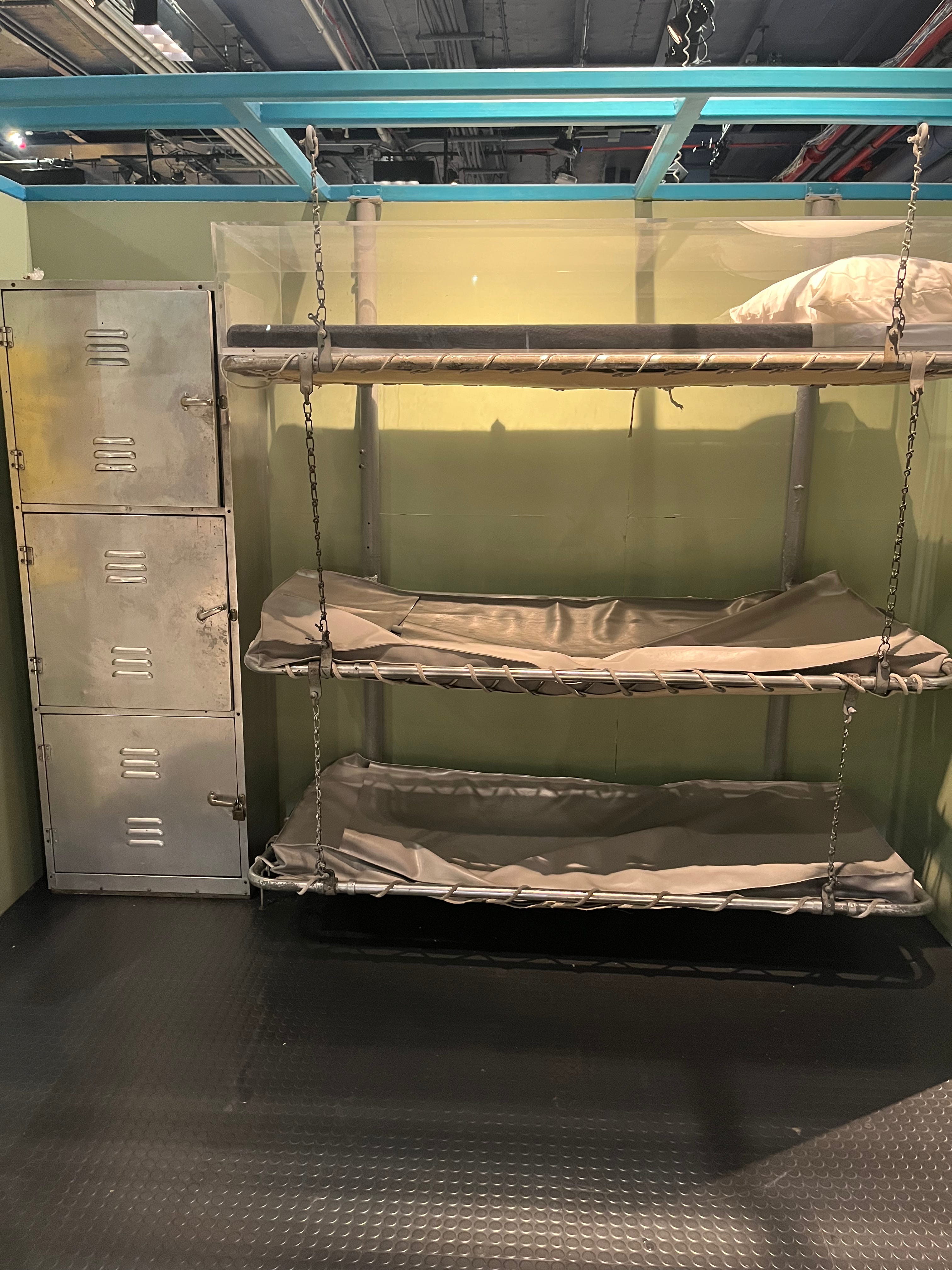
Sailors on The Intrepid slept in tight quarters. The museum had an example of what the sleeping quarters looked like above. The crew called these sleeping quarters bunkrooms and some bunkrooms held housed than 30 men. The sailors would sleep in these bunks they nickname “racks.” These racks were stacked 3 high and sailors typically couldn’t even sit up on the bed. Each sailor had his own rack and locker. The lockers were also pretty tiny and had to filled with clothing so they really didn’t have much room for any personal belongings.
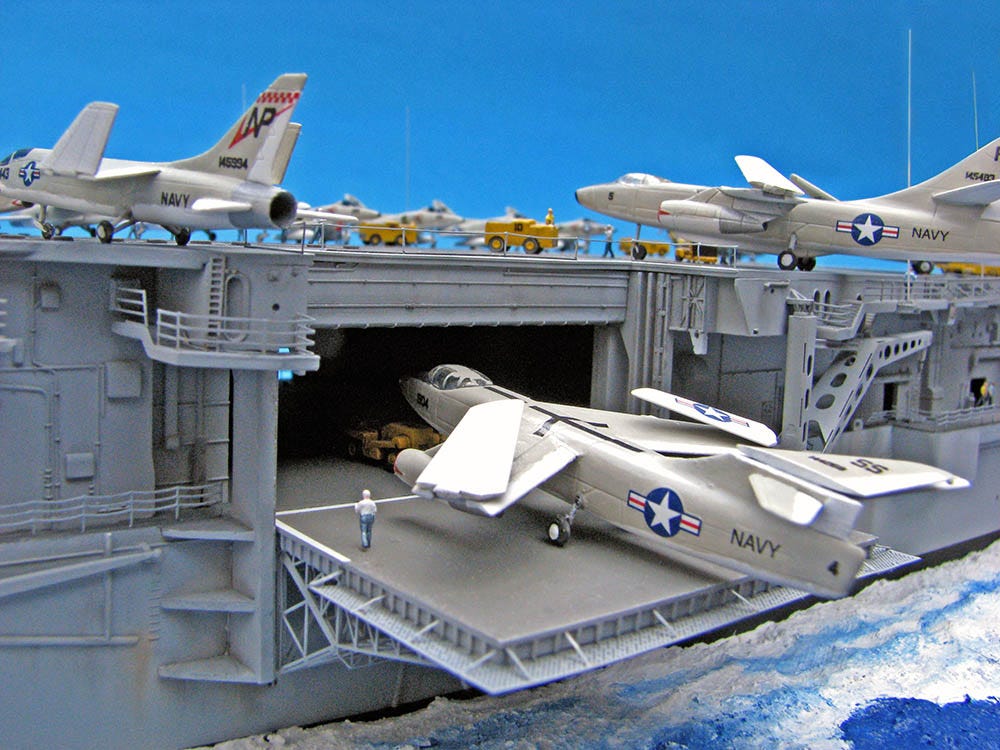
The Hangar Level of The Intrepid is where the fighter jets, bombers, and torpedo bombers were stored. Today all the old jets and bombers sit on the top flight deck, however, when it was in use, they would lift the planes using large elevators on the sides of The Intrepid as the runway would need space for planes to take off and land. You could almost think of the Hangar level as the garage for the planes, where they would be stored and undergo repairs. If you take the Highlight tour at the museum, they lift you up from the Hangar level up to the flight deck. At times of war such as during WWII, these elevators were used constantly Joe mentioned the flight deck would used for takeoff and landing anywhere from 16 to 18 hours a day.
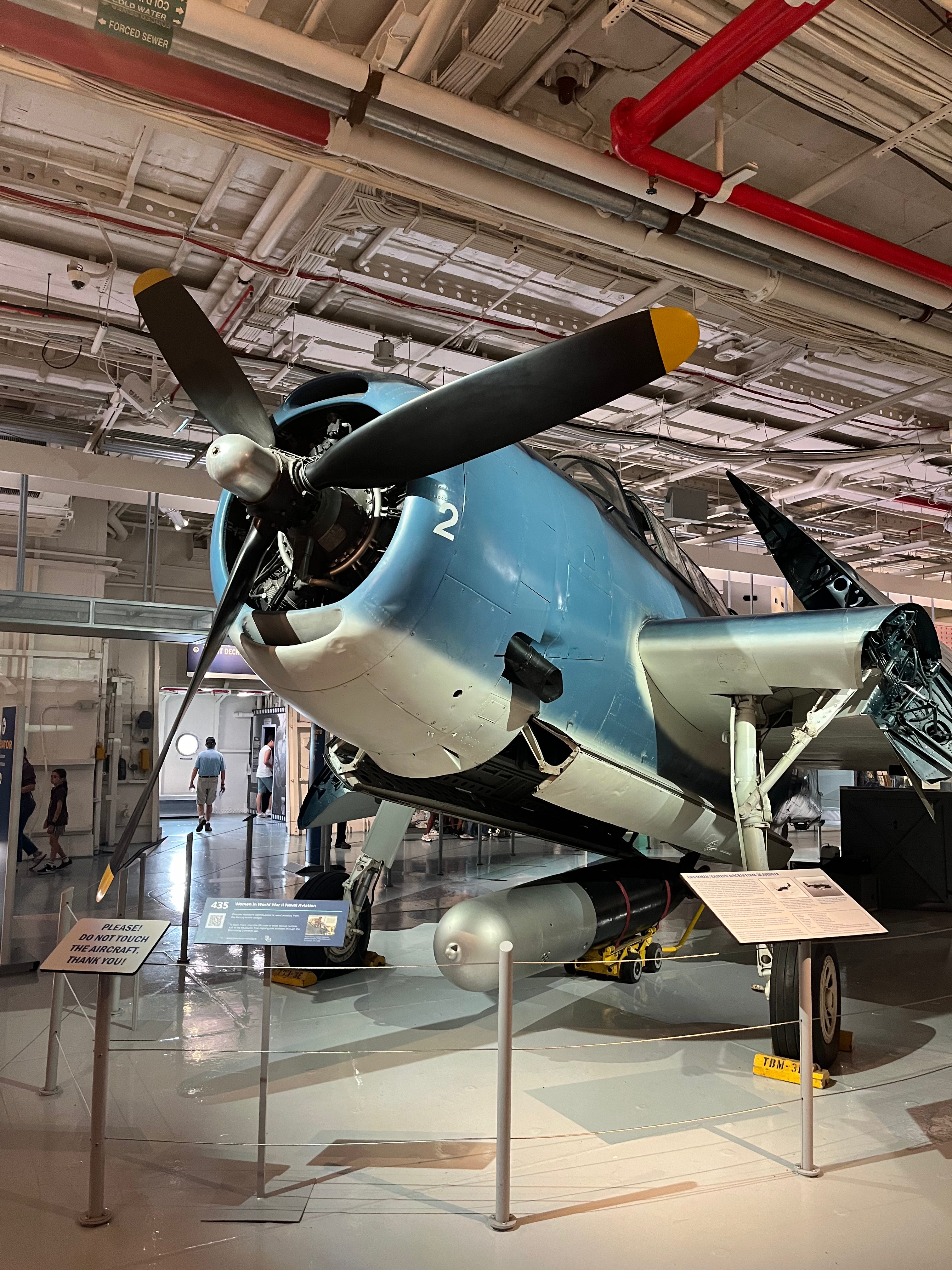
One of the first aircraft used on The Intrepid was the “Grumann/Eastern Aircraft TBM-3E Avenger”, we’ll just give it the nickname as the Avenger Torpedo Bomber for today. Under the plane is the torpedo bomber itself. The Avenger was first flown in 1941 and became operational in WWII in June of 1942. A whopping 9,836 of these were constructed throughout WWII as it was the US Navy’s go to torpedo bomber. Much of the manufacturing of the Avenger took place at the former automotive factories of General Motors in Trenton, New Jersey. They were the heaviest single-engine aircraft to fly during WWII and were involved in the sinking of many Japanese warships. This included two of Japan’s most prominent battleships known as the Yamato and Musashi. These torpedo bombers would be nicknamed “turkeys” because their size and maneuverability would eventually become outdated with newer aircraft to come.
Fun fact: These Avenger planes were also used well after WWII for other uses. Their large load-carrying capacity made them very useful for fighting forest fires. This Avenger was used as a firefighter and in the 1960s to 1970s, the New York Conservation Department also used it as a fish-bomber. It helped stock the New York lakes with baby fish.
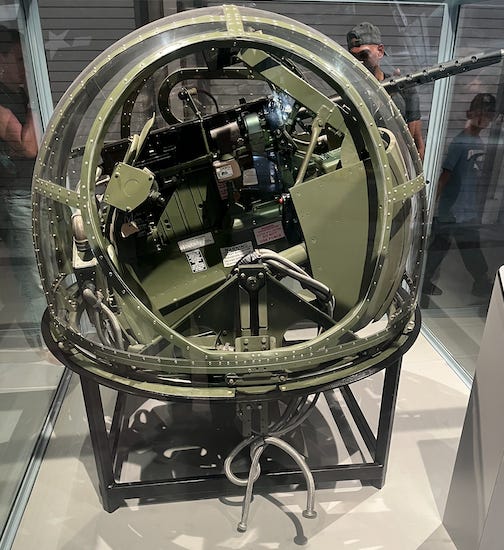
The Avenger plane had a standard 3-man crew of a pilot, a radioman in the lower compartment, and a gunner who manned the turret behind the pilot. The radioman was responsible for giving the pilot the coordinates while the gunner was used for protection against other enemy planes. The Grumann Ball Turret could move 360 degrees in every direction and would lock or jam the gun itself so it couldn’t accidentally shoot off the wings or tail of the aircraft. As you can see, there ain’t much space inside the Grumann Ball Turret. Joe stated on the tour that to man the turret, WWII gunners couldn’t be more than 170 lbs. or taller than 5’4” and to get inside they would have to crouch into the fetal position for hours on end.
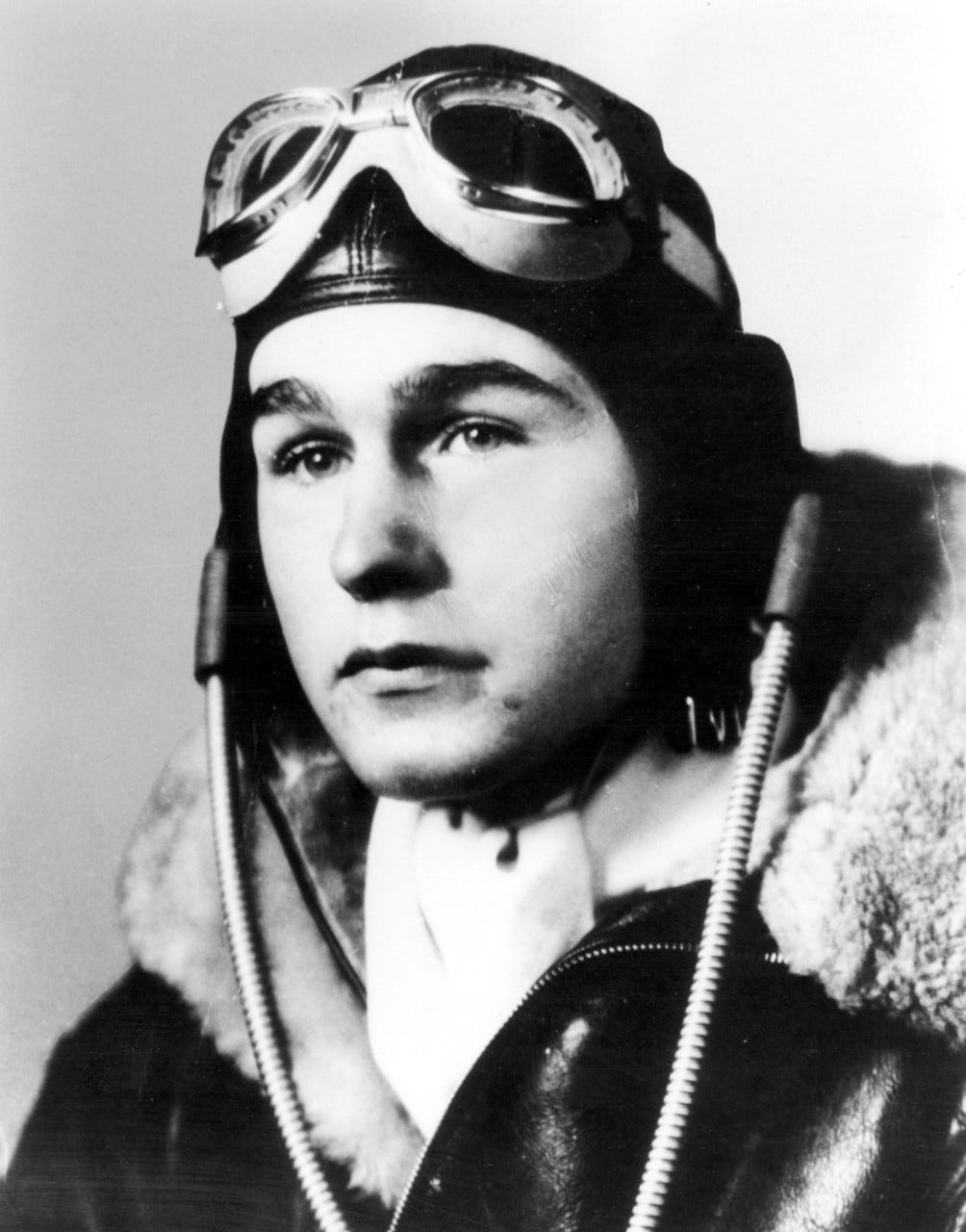
Perhaps the most famous WWII pilot to fly an Avenger was President George H.W. Bush. While he didn’t fly off The Intrepid, he was on the escort carrier USS San Jacinto in 1944. At just 19 years of age, Bush was one of the youngest American pilots to fight in WWII. In September of 1944, Bush was on a mission with Radioman Second Class John Delaney, and Lieutenant Junior Grade William White, when their Avenger took on intense Japanese fire. Both members of his crew would be lost in the mission, however, they were able to successfully attack a key Japanese radio station located on the Pacific Island of Chichijima. The 41st President of the US had to bail on the plane and parachute to safety at sea, where he anxiously awaited 4 hours in an inflated raft for the USS Finback lifeguard submarine to pick him up.


After World War II, The Intrepid underwent some upgrading as the US military was then in the midst of the Cold War. The aircraft carrier would be deployed during the Vietnam War but was also used in several other missions. For instance, it worked with NASA during the Mercury-Atlas 7 mission. In May of 1962, astronaut M. Scott Carpenter completed the United States’ 2nd orbital spaceflight which lasted 4 hours and 56 minutes. Carpernter’s goal was successful. He made observations of the Earth’s weather, land masses, horizon, sunrises, and sunsets. Although his brief time in space was a success, his landing wasn’t. Due to some malfunctions with the space capsule, there was a 3-second delay when the retro-rockets were fired. Thus, he landed roughly 250 miles beyond his intended landing spot and spent nearly 3 hours in the water waiting to be recovered. The Intrepid was the aircraft carrier responsible for locating and picking Carpenter up. When he got on the aircraft carrier, he received a phone call from President John F. Kennedy, which is pictured above.
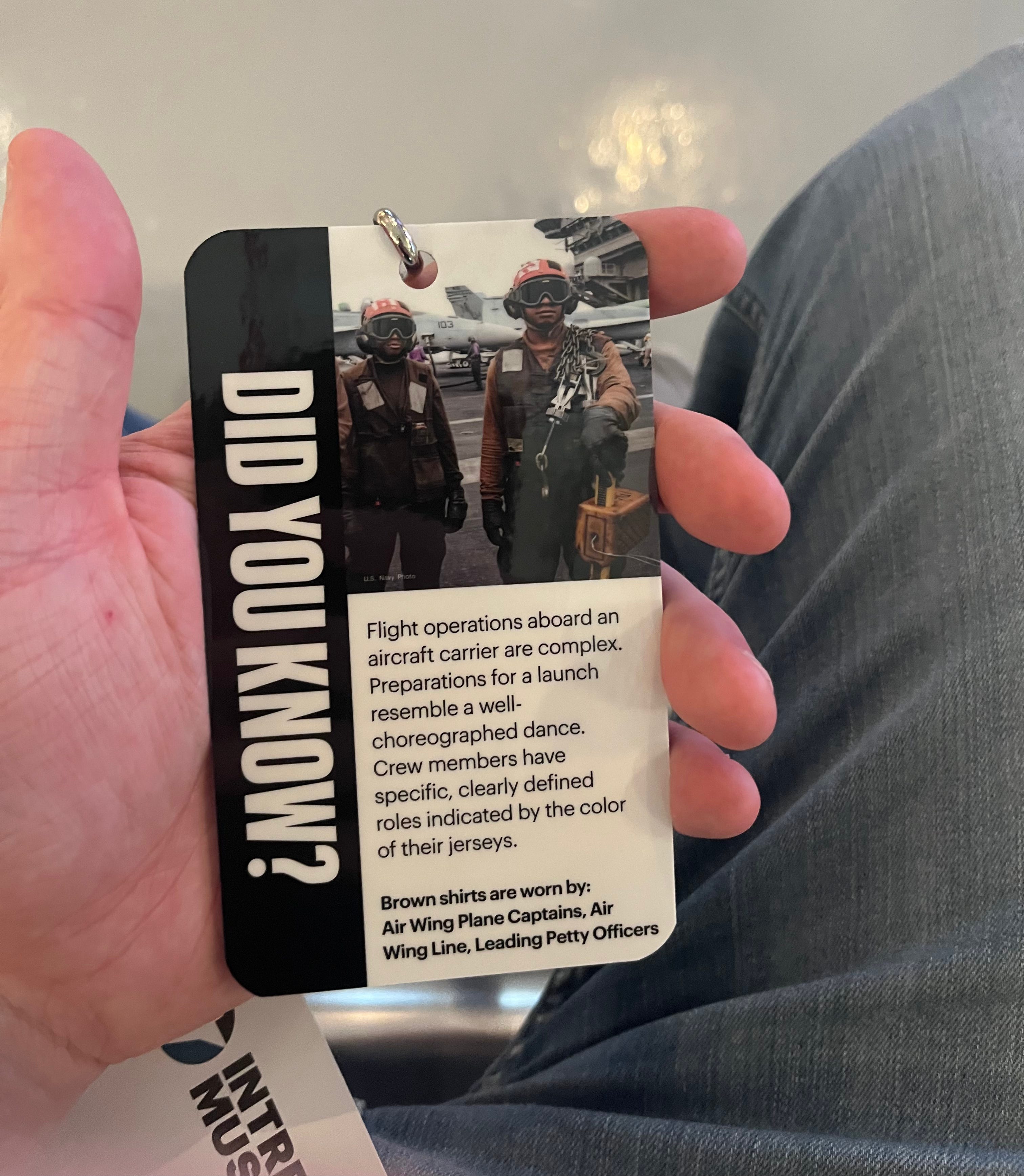
Much, much more on The Intrepid and the aircraft it carried in the upcoming Sunday Stumblin’ Alongs. If you find this bit of history interesting, you should definitely check out the museum, they let you keep the lanyard.
Preseason Week 2
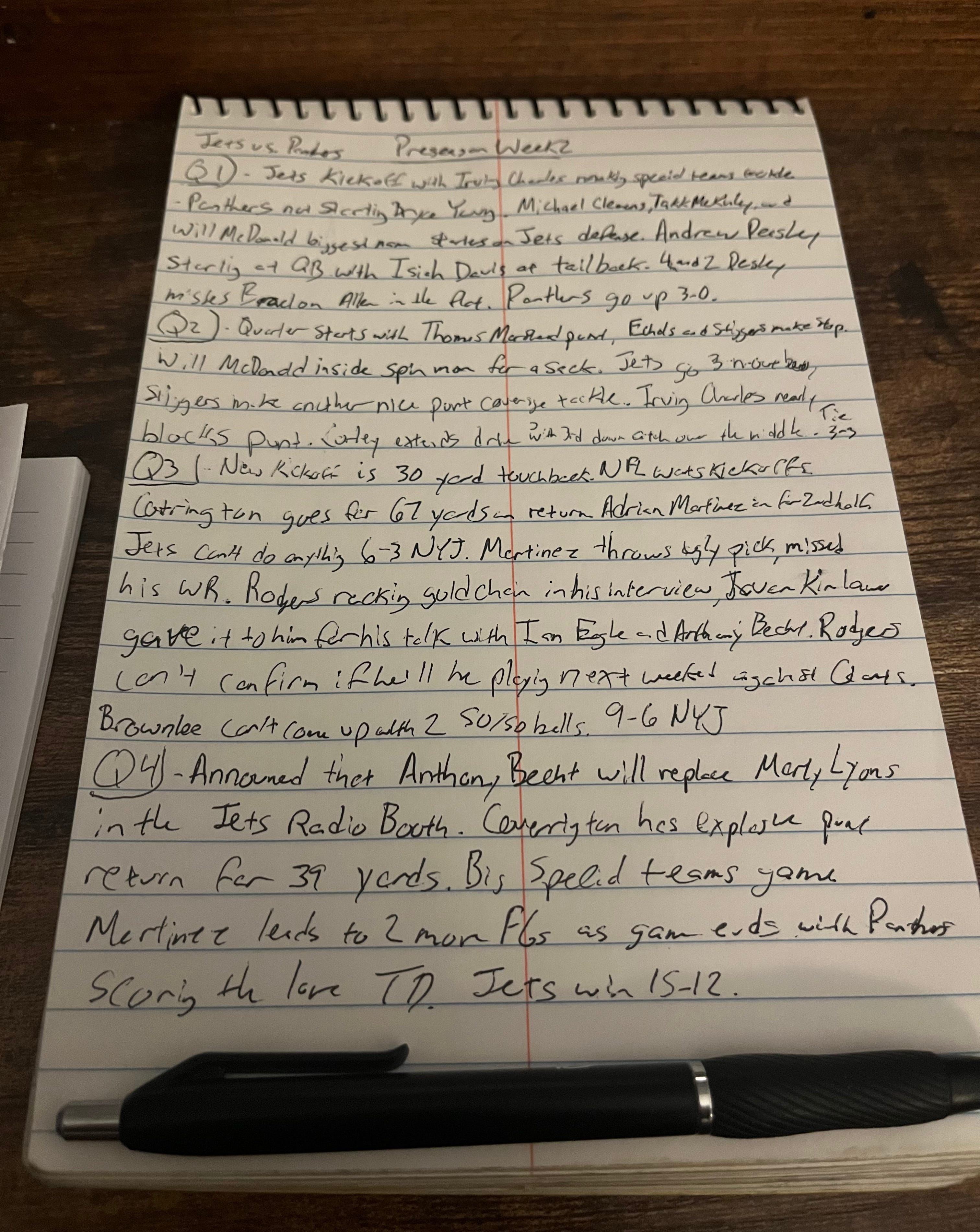
Jets vs Panthers
Quarter 1
- Jets kick off with special teams ace Irving Charles making the tackle on coverage.
- The Panthers aren’t starting 2nd year QB Bryce Young. The Jets aren’t playing many of their starters as Micheal Clemons, Takk McKinley, and Will McDonald are the most notable defenders suiting up.
- Aaron Rodgers, Tyrod Taylor, and all of the Jets’ offensive starters also have the night off. UDFA Andrew Peasley is in under center with Isaiah Davis and Braelon Allen are his tailbacks.
- Isaiah Davis returns a punt into the Panthers territory. Jets go for it on 4th & 2 but Peasley misses an open Braelon Allen in the flat.
- The Panthers hit a field goal to go up 3-0.
Quarter 2
- The first play of the 2nd Quarter is Thomas Morstead booting a punt downfield with excellent punt coverage out of Bradin Echols and Qwan'tez Stiggers. Will McDonald picks up a sack on an inside spin move.

- The Jets can’t get anything going on offense but Stiggers again has great punt coverage on a Morstead punt as he slams the Panther gunner into the returner for the tackle. The Jets defensively then force a Carolina 3-N-Out as Irving Charles nearly blocks the Panther punt.
- Jets rookie WR Malachi Corley makes a 3rd down catch over the middle to extend the drive. The Jets tied the game before the half at 3-3.
Quarter 3
- The new kickoff rule places a touchback at the 30-yard-line so NFL really wants to bring back kickoffs. UDFA rookie returner Brandon Codrington goes 67 yards on a return to start the 2nd half.

- QB Adrian Martinez is in for Andrew Peasley. The offense can’t do anything with Codrington’s long return so they kick a FG. 6-3 NYJ
- When the Jets offense gets the ball back, Martinez throws an ugly interception into the middle of the field, missing 2 open WR targets.
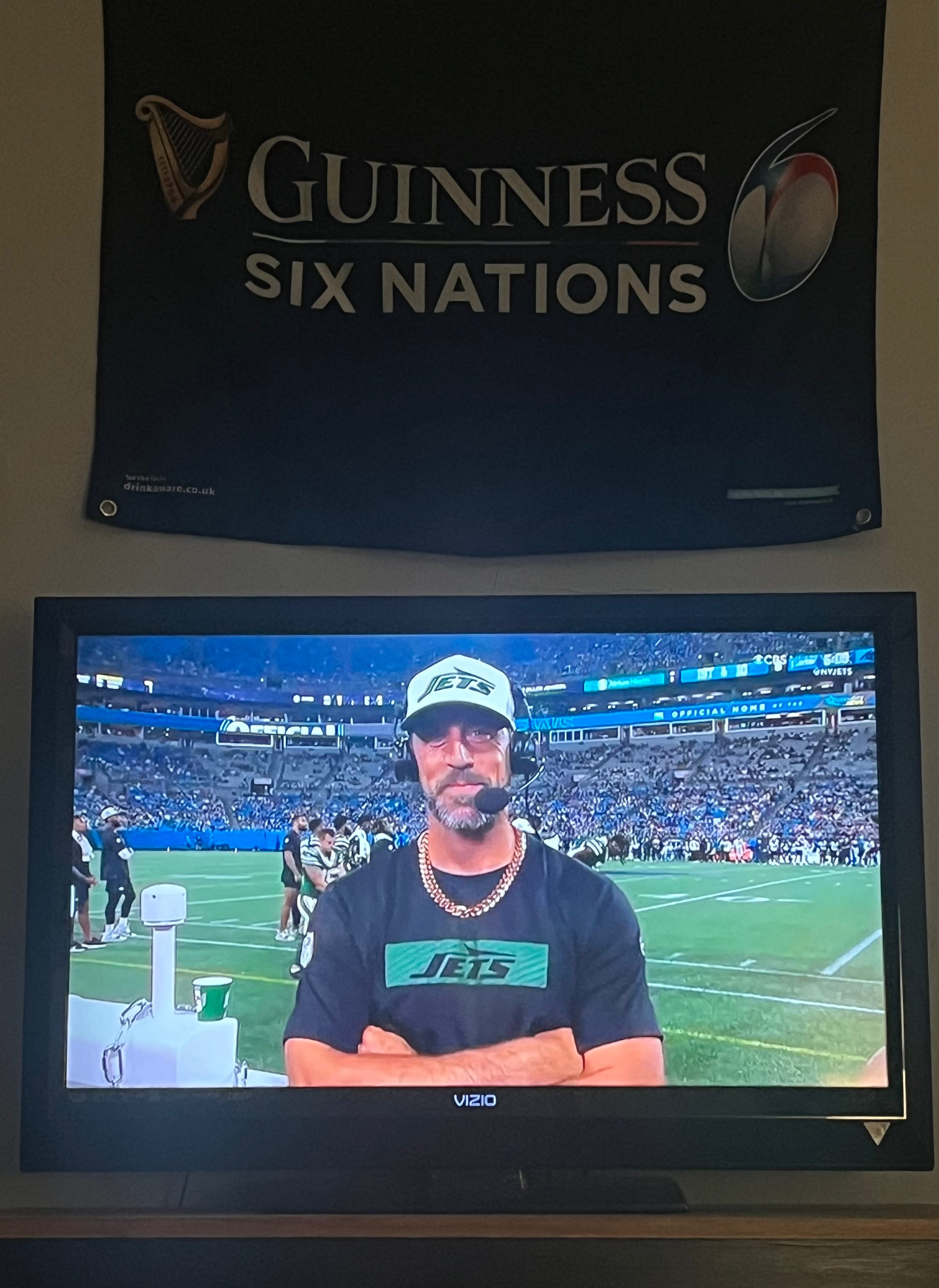
- Aaron Rodgers is alive and well as he gives CBS a quick in-game interview from the sidelines. He’s rocking a gold chain around his neck and explains that DT Javon Kinlaw let him borrow the bling for the interview. After a bit of banter with Ian Eagle, Rodgers can’t confirm if he’ll play next weekend against the Giants in the Snoopy Bowl.
- Back to the field, WR Jason Brownlee can’t come down with 2 50/50 catchable balls. The Jets kick an FG. 9-6 NYJ
Quarter 4

- Brandon Codrington has another nice return, this time on a punt as he takes it 31 yards.
- Ian Eagle announces that Anthony Becht (the former Jets 1st Round TE and color commentator) will be replacing Marty Lyons in the Jets Radio Booth this upcoming season. Lyons will now take on a new role as a Jets Ambassador.
- Adrian Martinez leads the Jets to 2 more FGs before the Panthers score the game’s first TD to end the game as the Jets win 15-12.
- HUGE special teams game. Week to Week Notes’ game ball goes to Brandon Codrington.

Today’s tune is Amble’s Of Land and Sea. Earlier in ‘24, my sister recommended the new Irish folk and I did a piece on their Mary’s Pub (Saturday Sports 3/30 '24) to close the month of March. This song was released on their February EP.
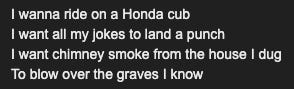
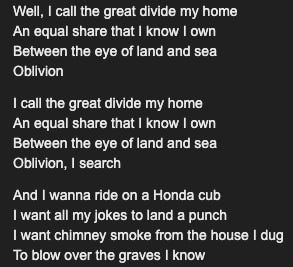
The Honda Cub is Honda’s Super Cub motorcycle. I don’t know much about cars or bikes, but the super cub is supposedly known for its simplicity. It’s been around since 1958, might not be the most sporty motorcycle but gets the job done. He wants his jokes to land a punch, or have deeper meaning.


A razor-cut haircut is as simple as it gets. The high-vis vest might not look cool or fashionable but can’t knock an appropriate safety measure while riding a motorcycle.
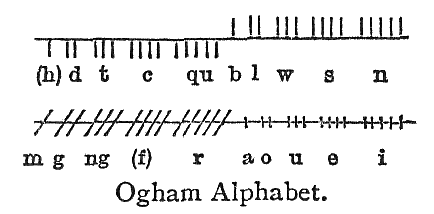
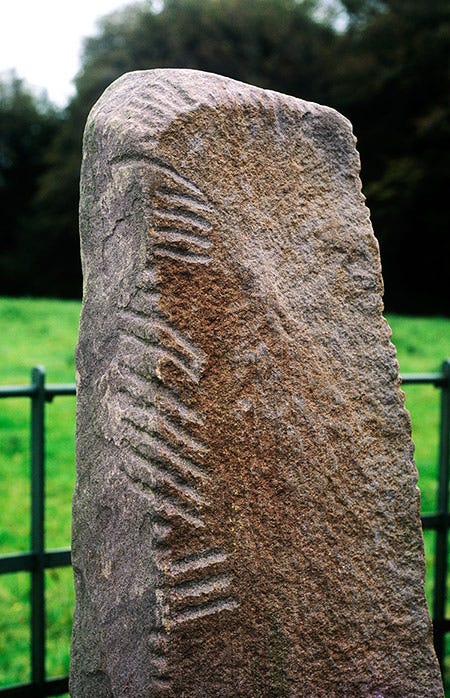
The Ogham alphabet was used in Ireland from the 4th to 7th centuries. It’s the earliest known Gaelic and researchers believe it may have been influenced by the Roman Empire because it shares five vowels. Gaelic, like all languages, enolved over time, but these earlier forms have been deciphered because the letters were carved into rocks now called Ogham stones.
(Source: History Today - Catherine Swift)

This describes wanting to be the old guy that young people find amusing. Whether they are laughing at his jokes that land a punch (have deeper meaning), or laughing at how ridiculous this old guy might look selling books at a Sunday flea, he doesn’t mind. Maybe a reach but this could also be about him wanting the stories or lessons to be learned from the past.

I figured this song was going to be deep but holy hell the great divide theory sent me down a rabbithole. Daniel Chandler is a philosopher who wrote about the ‘Great Divide’ Theories in his Biases of the Ear and Eye.
In Chandler’s essay, he examines the dichotomy between spoken word vs written word.
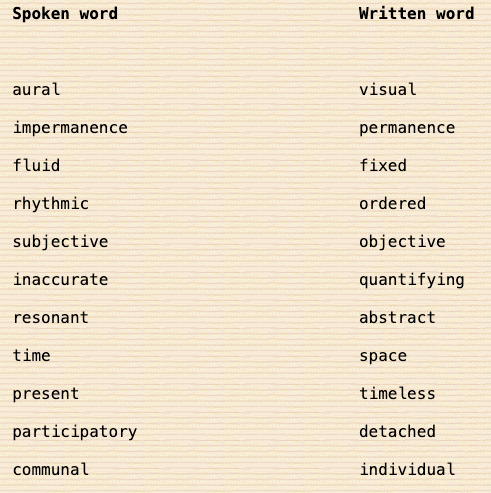
From the perspective of the band, they write their lyrics and then sing their songs, so their home is within the great divide.

The division between the eye of the land and the sea sounds like a beach. That said, I could be reading too into it and off the mark with it just simply being about a song heard everywhere. All of this also plays into the overarching theme of trying to keep things simple in modern times, which would make you oblivious.
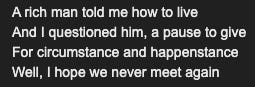
Rather than offering his advice (selling books at a Sunday flea), a rich man told him how he should live his life. When questioned the rich man couldn’t admit that circumstance or random happenstance helped to get him where he was. They might be on to something in that most people work hard at whatever it is they do and inherently want to be successful, but of course, there is an element of right place, right time that can be beyond one’s control. Hence, rather than getting caught up in all things extra, he’s choosing to live simply.
You could also read that whole paragraph above from the band’s perspective of the business side of music like a label telling them what songs they should write and how “hit songs” oftentimes come from random happenstance.
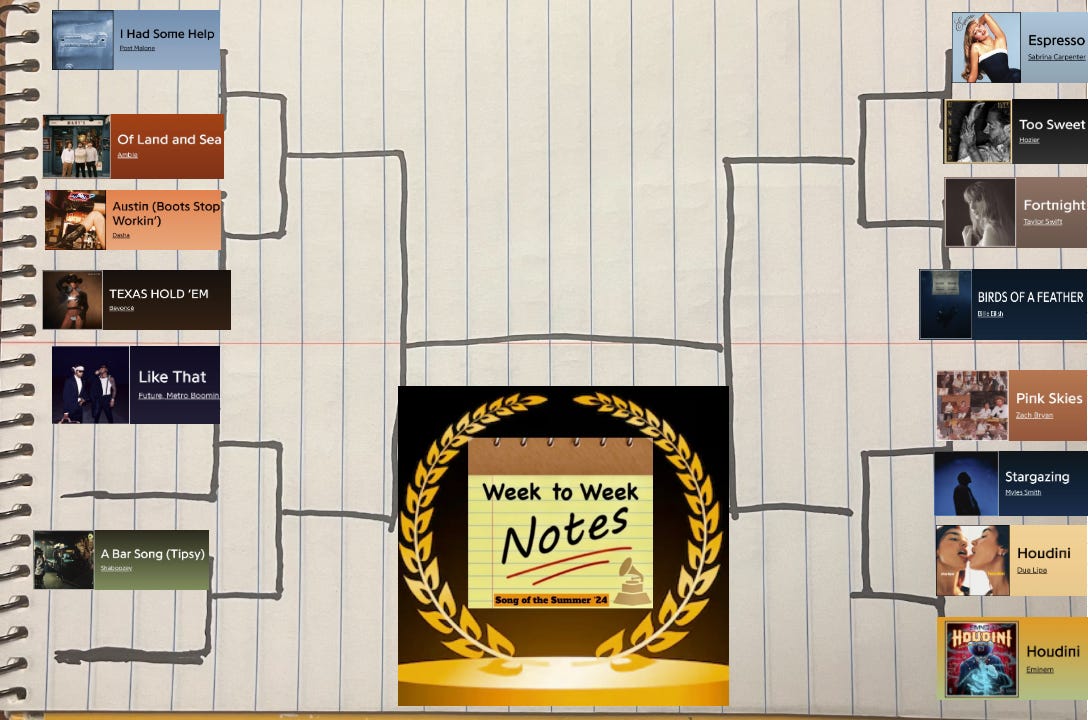
Despite this tune being specifically about not seeking acclaim or adoration, it’s gotta be nominated for Song of the Summer.
Not for nothing, this would be my pick, but I just got one vote like everybody else and Of Land and Sea is certainly the underdog compared to today’s more popular hits.