Stumblin' Along 6/23 '24
Video Games

Video Games
- Norman Rockwell & Al Criscillo’s Barbershop
- The Roman Colosseum
- YouTube Rabbithole
Alright @YouTheReader,
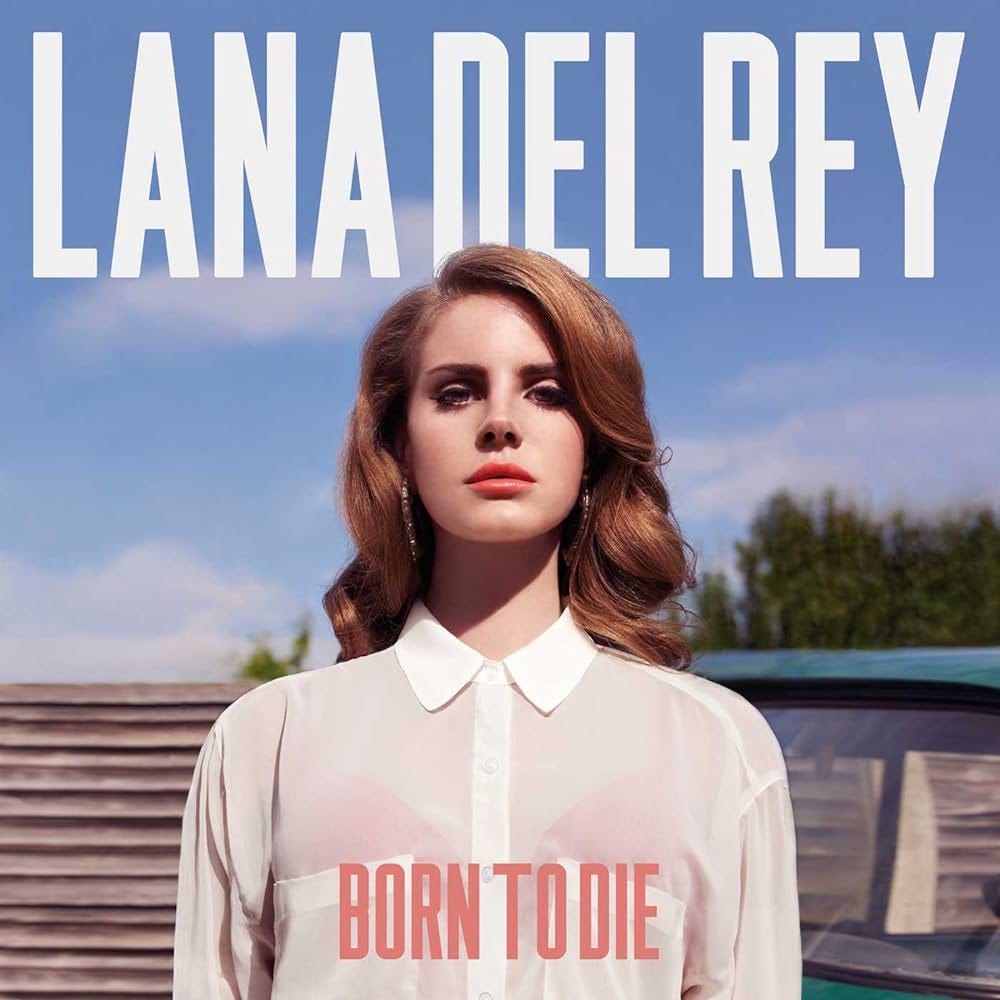
Today’s tune on this Stumblin’ Along is Video Games by Lana Del Rey because it’s her birthday weekend and she’s a total rocket with a beautiful voice. This song was on her 2nd studio album and 1st major label debut, Born To Die in ‘12. While it wasn’t initially a major hit on the US Billboard Hot 100, landing at #91, it is considered one of her best songs. Plus, Video Games, was a massive hit across the pond, peaking at #6 in Ireland, #9 in the UK, #2 in France, and #1 in Germany.
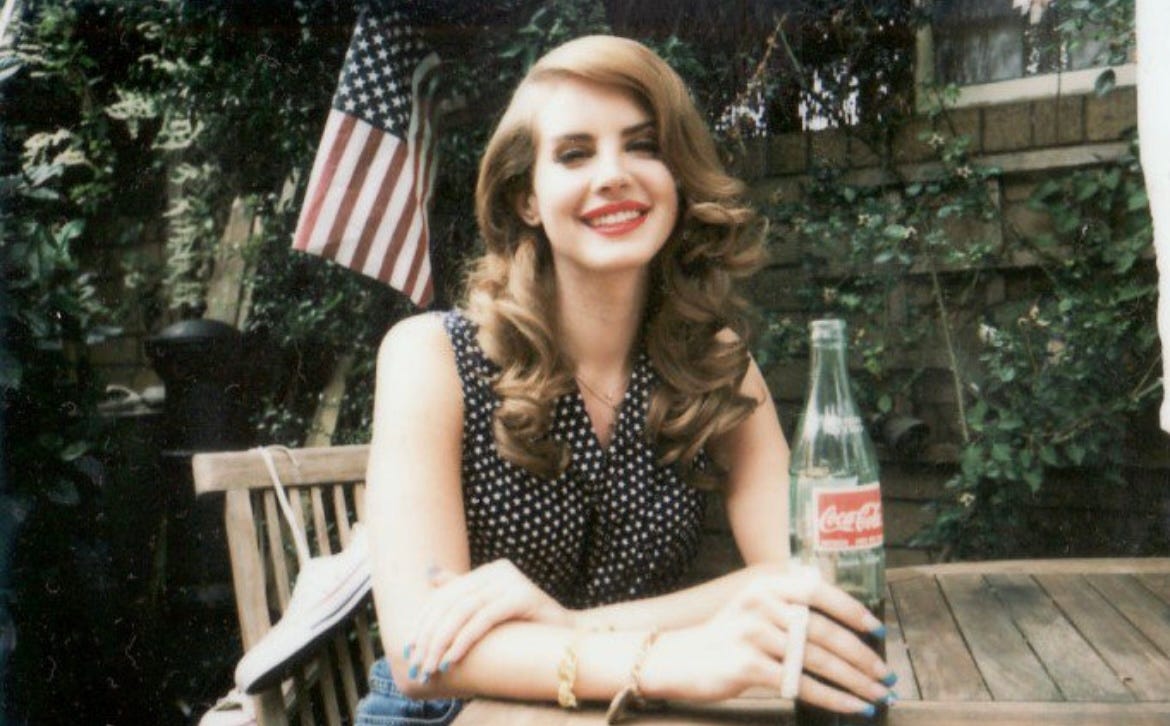
Elizabeth Grant frequently references vintage 1950s to 1970s Americana culture. Early in her career, she describes her iconic sound as "gangsta Nancy Sinatra” which fits perfectly. After moving from her hometown of Lake Placid to New York City, Miss Grant changed her stage name to Lana Del Rey. Many speculate that Lana comes from Lana Turner, a 1940-50s actress who was involved in a few scandals. Del Rey also has a connection to that time as the American car company Chevy made a Delray. However, in multiple interviews, she has explained, "I don't even know what movies Lana Turner has been in. 'Lana' was just because it’s beautiful, 'Del Rey' the same thing…It sounded gorgeous coming off the tip of the tongue.”
(Source: Far Out)
The fast car and beer references remind me of Tracy Chapman’s tune. In an interview with NME, Lana Del Rey said these lines are about a time in her life…
“When I was 18 I moved to New York and just started singing at open mic nights and playing shows down in Williamsburg. (Then there was) This guy that I had been seeing and the way our relationship was at the time. It was just a time in my life when I just let go of my own personal career ambitions and just enjoyed being with him at home. He’d come home from work and play video games. I would write while I watched him play. I think when I wrote that song I was just reflecting on the sweetness of it but also the fact there was something else I was longing for.”
Although Chapman’s Fast Car doesn’t come up in the interview, it shares a similar sentiment. The video games in this song or drinking elements in Fast Car are a distraction from something more.
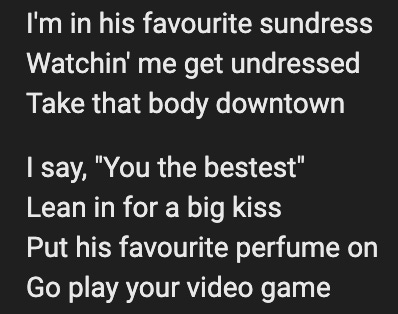
Lana can rock anything, but wow, what a natural in a Yankee jacket.
Lana said the chorus to this tune wasn’t as much matter-of-fact as the opening verses. The chorus “was the way that I wished it was – the melody sounds so compelling and heavenly because I wanted it to be that way.”
Sidenote: For hip-hop fans, you might also remember this amazing chorus on All For You, which came out about 2 years after Video Games. Lana’s chorus was sampled for the song which featured French Montana, Wiz Khalifa, and Snoop Dogg.
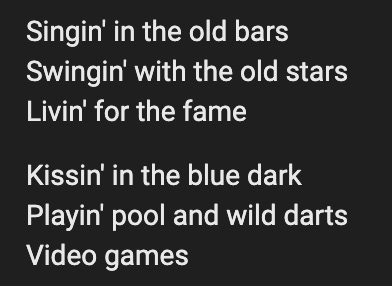
With the quotes above, the Singin’ in the old bars must be the open mic nights in Williamsburg, Brooklyn. The Swingin’ with the old stars could be a homage to jazz music in the Swing Music Era of the US of A, back in the mid-1930s to 1940s. Right around Louis Armstrong’s heyday.
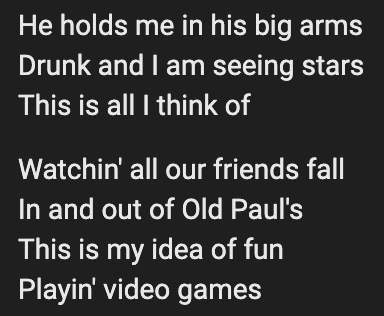
Old Paul’s is a chapel in LA. Her friends falling could be them falling in love. In and out of the church would marriage. While their friends are getting married she’s stuck writing while the guy she was with was playing video games. Makes sense.
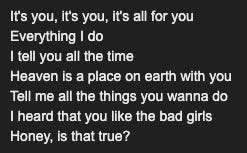
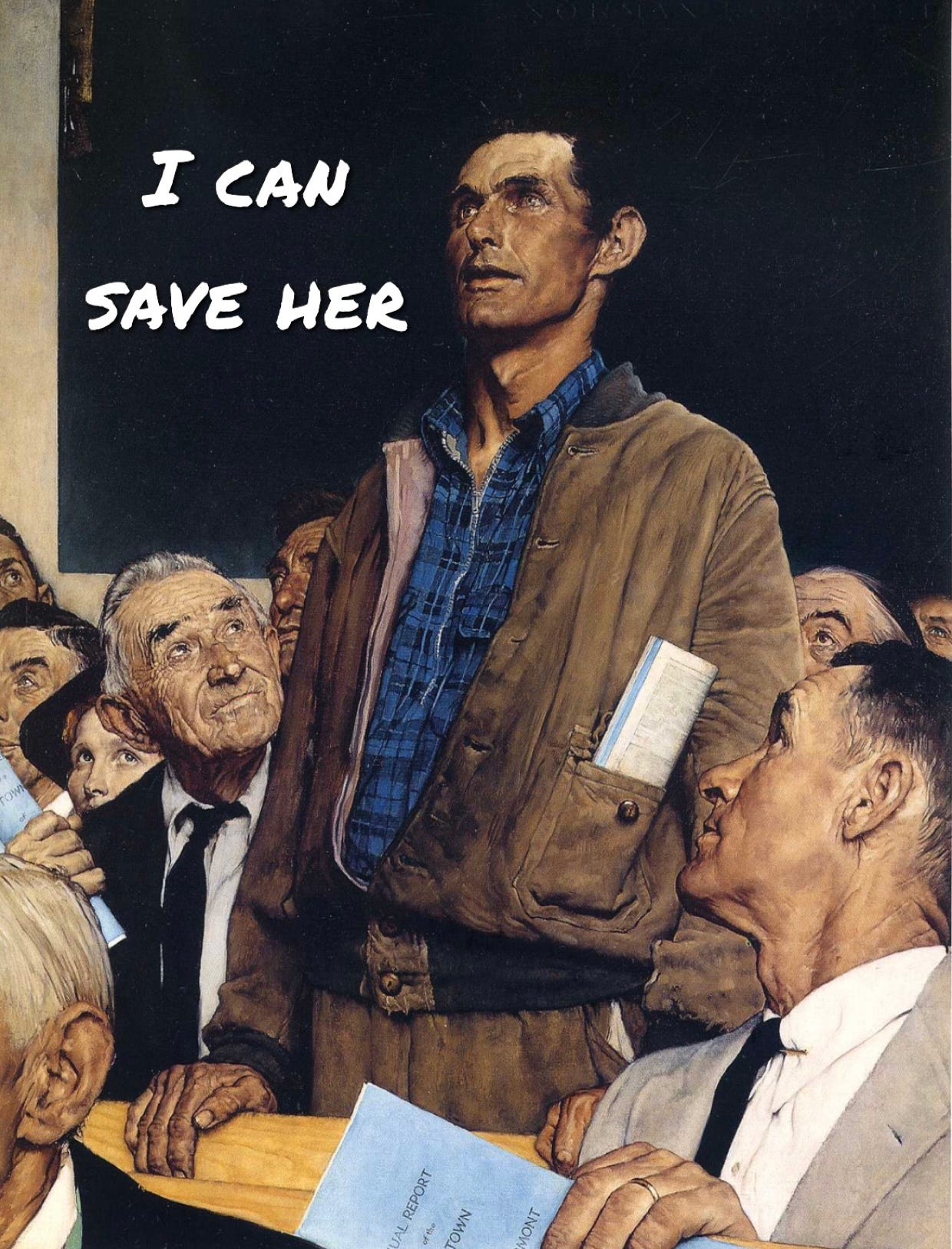
I can save her.
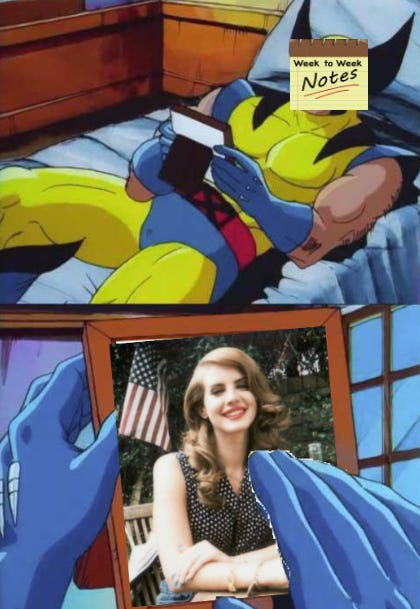
I’ve been fanboying Lana Del Rey on the low since Summertime Sadness ran the radio, but Video Games is an excellent song as well. The lines are clever. Today it’s known as one of her best songs, but when she was just starting out she, “played it for a lot of people (in the industry) when I first wrote it and no one responded. It's like a lot of things that have happened in my life during the last seven years, another personal milestone. It's myself in song form."
On to some Stumblin’ Along History…

Quite a few Sundays ago, somehow in my drunken stupor, I Stumbled Along to The City Reliquary in Williamsburg, Brooklyn. The museum filled with cool New York City history is open on Saturdays and Sundays from Noon to 6 PM. For a $10 visit, you can see a ton of cool relics from The City. This week's Stumblin’ Along on Week to Week Notes features another piece about Norman Rockwell and Al Criscillo’s Brooklyn Barbershop.
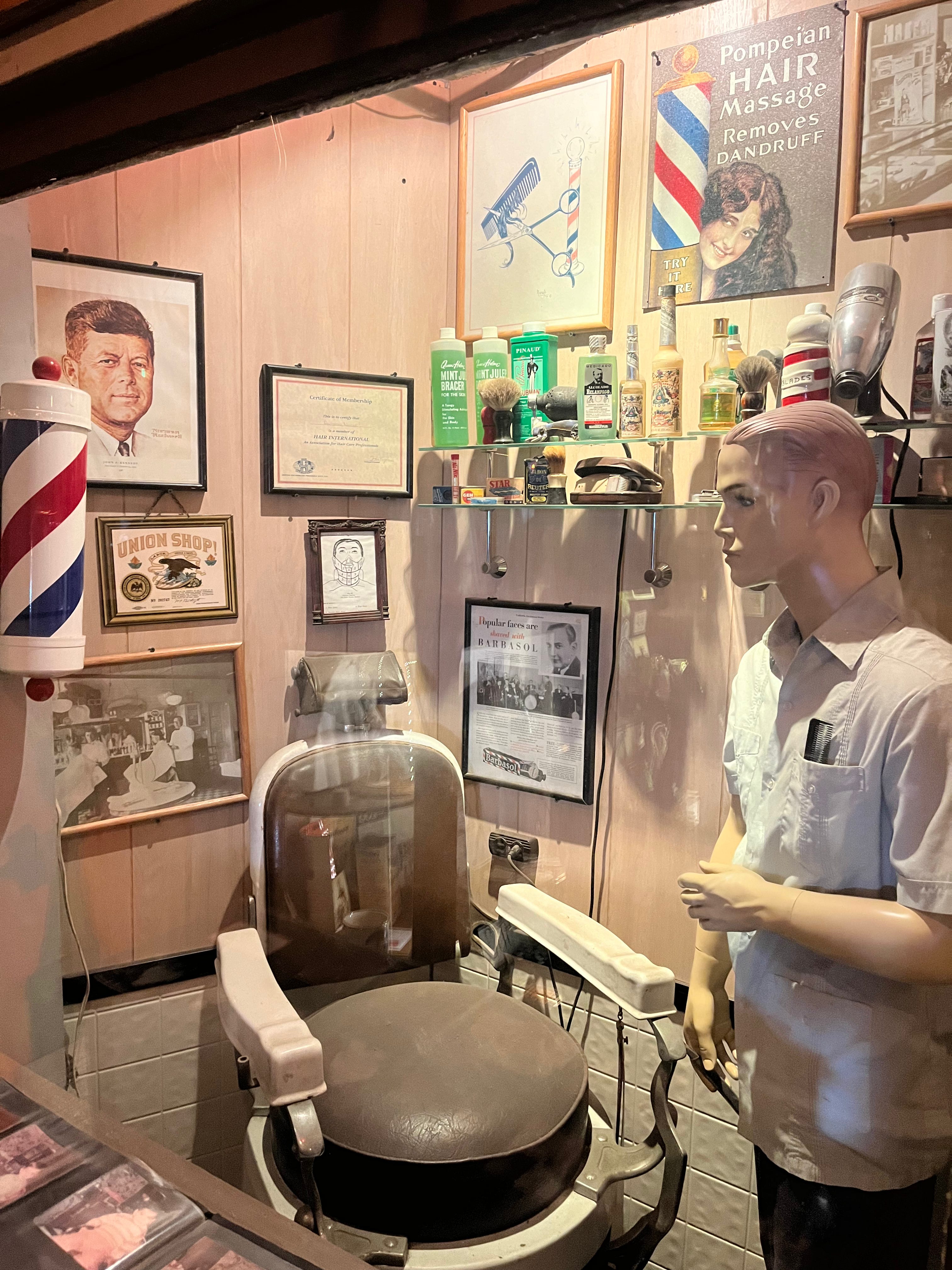
So as I was looking through the catalog of pictures I took at City Reliquary, I was fixated on picking something that Lana Del Rey would find interesting, hypothetically speaking.
JFK’s portrait at a barbershop stuck out but doing a whole deep dive into the Kennedy family today would’ve been a bit much. When I zoomed into the photo I saw the name “Norman Rockwell” and figured that sounded familiar. Then it clicked that Lana Del Rey had an album named Norman Fucking Rockwell! It’s always better to be lucky than good.
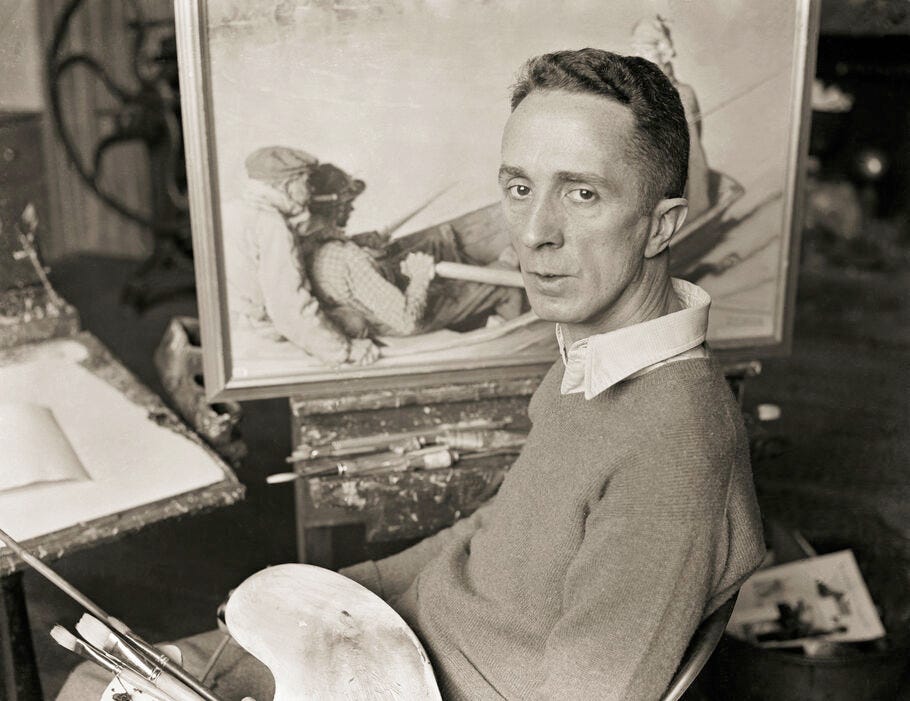
Norman Rockwell was born in New York City on February 3, 1894. From the time young Norman Rockwell was a boy, he always wanted to be an artist. When he turned 14 years old, he enrolled to The Chase School of Art, which is The New York School of Art today. In 1910, after just 2 years of studies at Chase School, Rockwell dropped out of high school to study art full-time under Thomas Fogarty and George Bridgman. Rockwell credits Fogarty for teaching him his first commercial successes as his illustrations were used for Christmas cards when he was just 16; while Bridgman taught him more about the technical aspects.
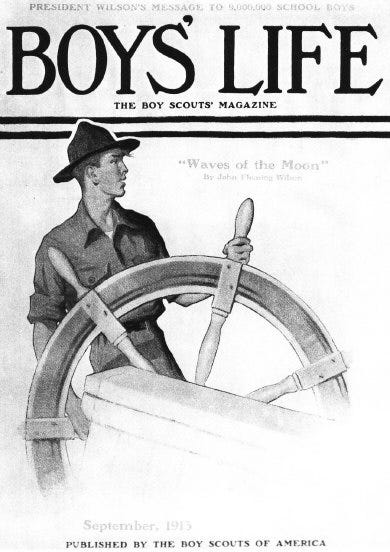
In his late teens, Norman Rockwell was hired as the art director for Boys’ Life. It was the publication for the Boy Scouts of America and he drew the covers. Boys Life was bought by the Boy Scouts of America in 1911. In ‘21, after 110 years of the magazine’s existence they changed the name of the publication to Scouts’ Life. Gee, I wonder why?


On May 20, 1916, Norman Rockwell painted his first cover for The Saturday Evening Post. It was called the Baby Carriage and had an article called The Empire of Builders by Mary Roberts Rinehart. Later that year, as you can see above, Rockwell also made covers called Circus Strongman, Gramps at the Plate, and Redhead Loves Hatti. The magazine was so impressed by Norman Rockwell that they called him the “greatest show window in America.” Over the course of 47 years, Rockwell would produce a total of 321 covers for The Saturday Evening Post.


In 1939, Norman Rockwell and his wife, Mary Barstow, moved to Arlington, Vermont with their 3 sons. After spending most of his life in New York City and New Rochelle, Rockwell’s art started to reflect more of small-town American life. He became deeply inspired by one of President Franklin D. Roosevelt’s speeches to Congress in 1943, which is when he painted his famous Four Freedoms paintings. Each of those paintings had their own freedom theme with Freedom of Speech, Freedom to Worship, Freedom from Want, and Freedom from Fear. These depictions of small-town America were used by the The Saturday Evening Post and the US Treasury Department for war bonds. They were effective as they raised over $130 million for WWII. The depictions are still used today, especially the Freedom of Speech, but for Memes on the Internet. I made an example of one below…
Despite the massive success of the Four Freedoms paintings, unfortunately for Norman Rockwell, he suffered some personal loss as a fire destroyed his Arlington art studio. He had numerous paintings and collections of work that were lost. He and his family would move to Stockbridge, Massachusetts in 1953. 6 years after the move, Rockwell suffered even more important personal loss as his wife passed away unexpectedly.
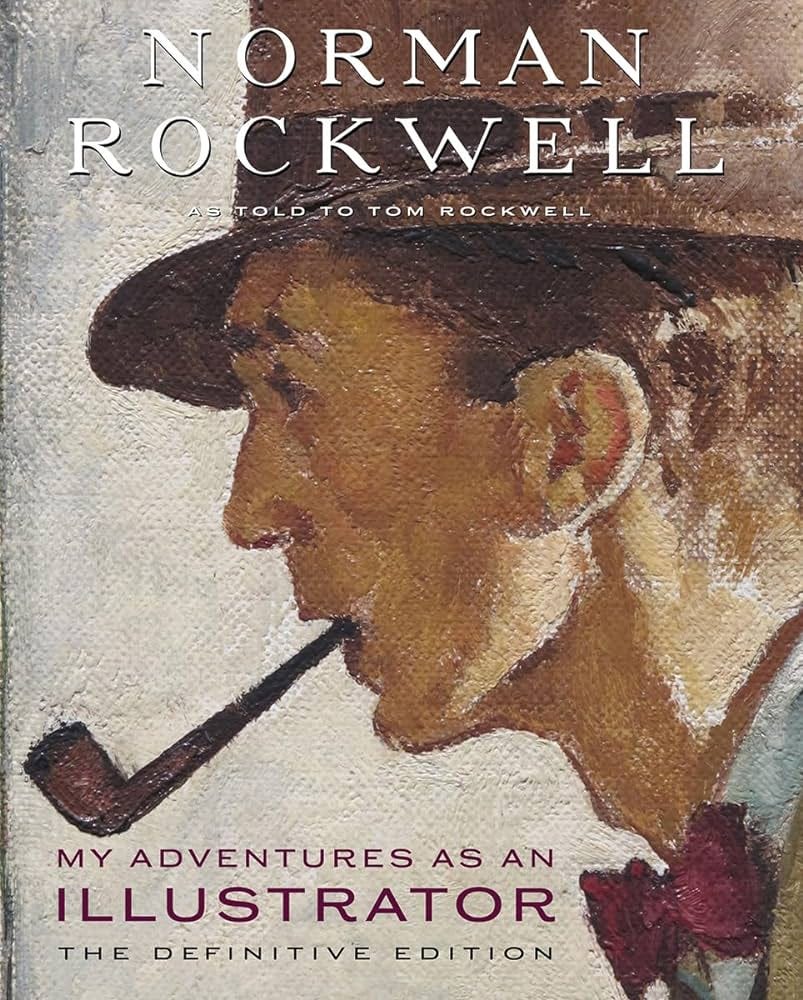
A year after Mary Barstow Rockwell’s death, Norman Rockwell the illustrator became an author. With the help of his son, Thomas Rockwell, they published his autobiography called My Adventures as an Illustrator. After working with The Saturday Evening Post for 5 decades, Rockwell then began painting illustrations for the publication Look. In his later years, the paintings tended to depict civil rights, America’s war on poverty, and the exploration of space. In 1977, Norman Rockwell received the Presidential Medal of Freedom. He passed away a year later peacefully at his home in Stockbridge. To this day there is a museum in Stockbridge, Massachusetts, dedicated to his work.
(Source: Norman Rockwell Museum)
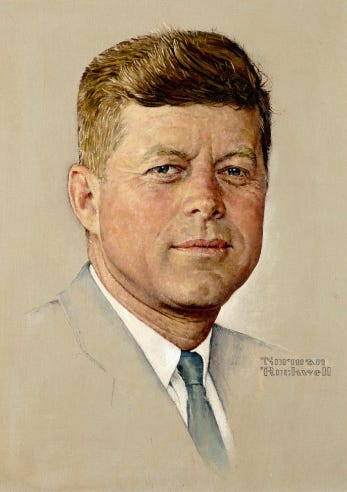
Back to Norman Rockwell’s portrait of JFK. It was seen on the wall at the City Reliquary, paying homage to Al Criscillo’s barber shop. The legendary Brooklyn Barbershop was on Metropolitan Avenue in Williamsburg. It closed down in 2005 after establishing itself in 1950.
(Source: New Yorker)
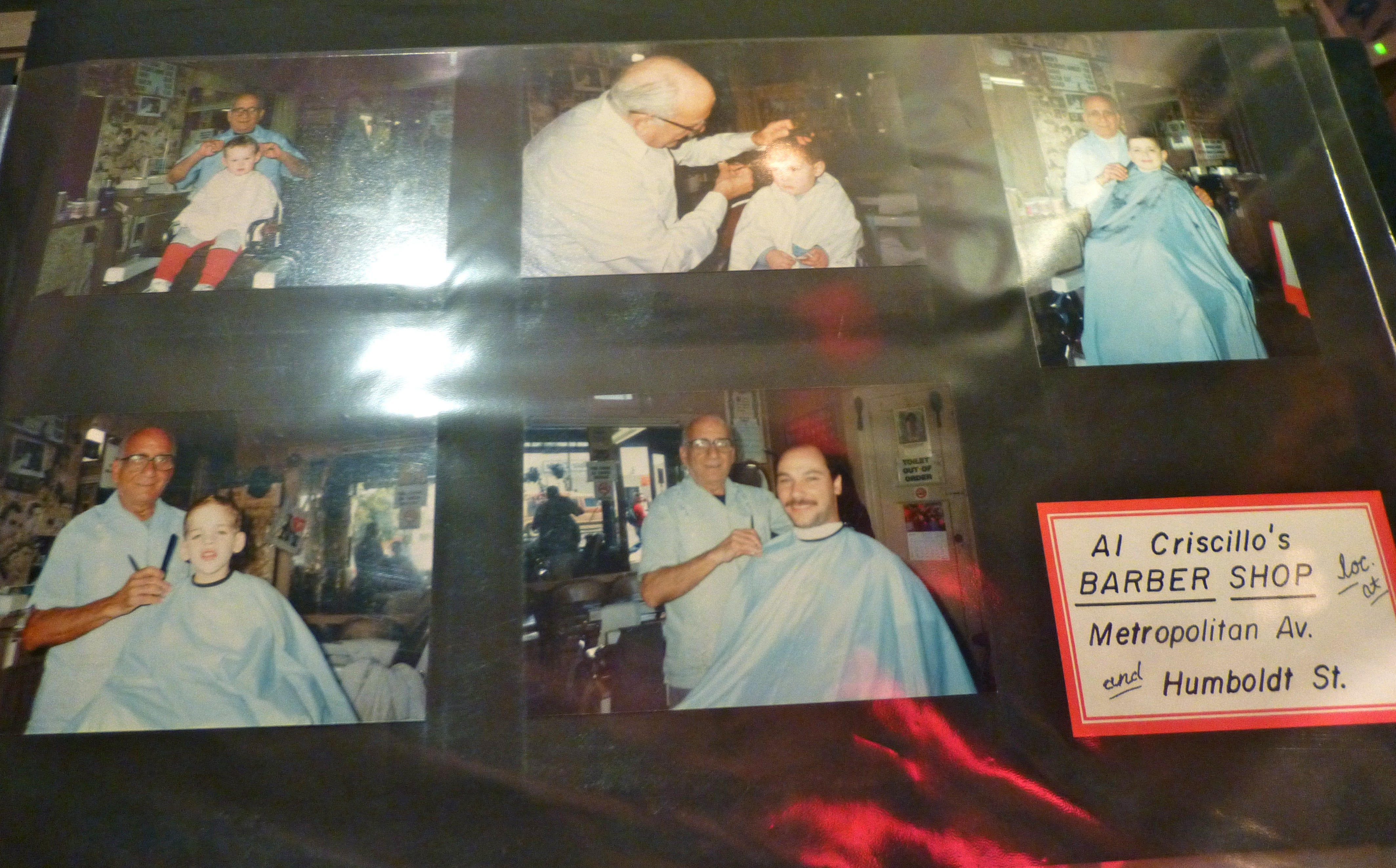
Al Criscillo was born in 1917, in Arienzo, Italy, right outside of Naples. He trained to be an apprentice barber and moved to New York with his family at 15 years old. Williamsburg in the 1930s was just as Italian as Manhattan’s Little Italy. Al Criscillo knew very little English when he arrived, but helped at his uncle’s barbershop. It was his first job and he made a $1 a day. This was in the midst of the Great Depression as Criscillo told Brooklyn Rail, “Everybody helped out, everybody did what they could for the family.”
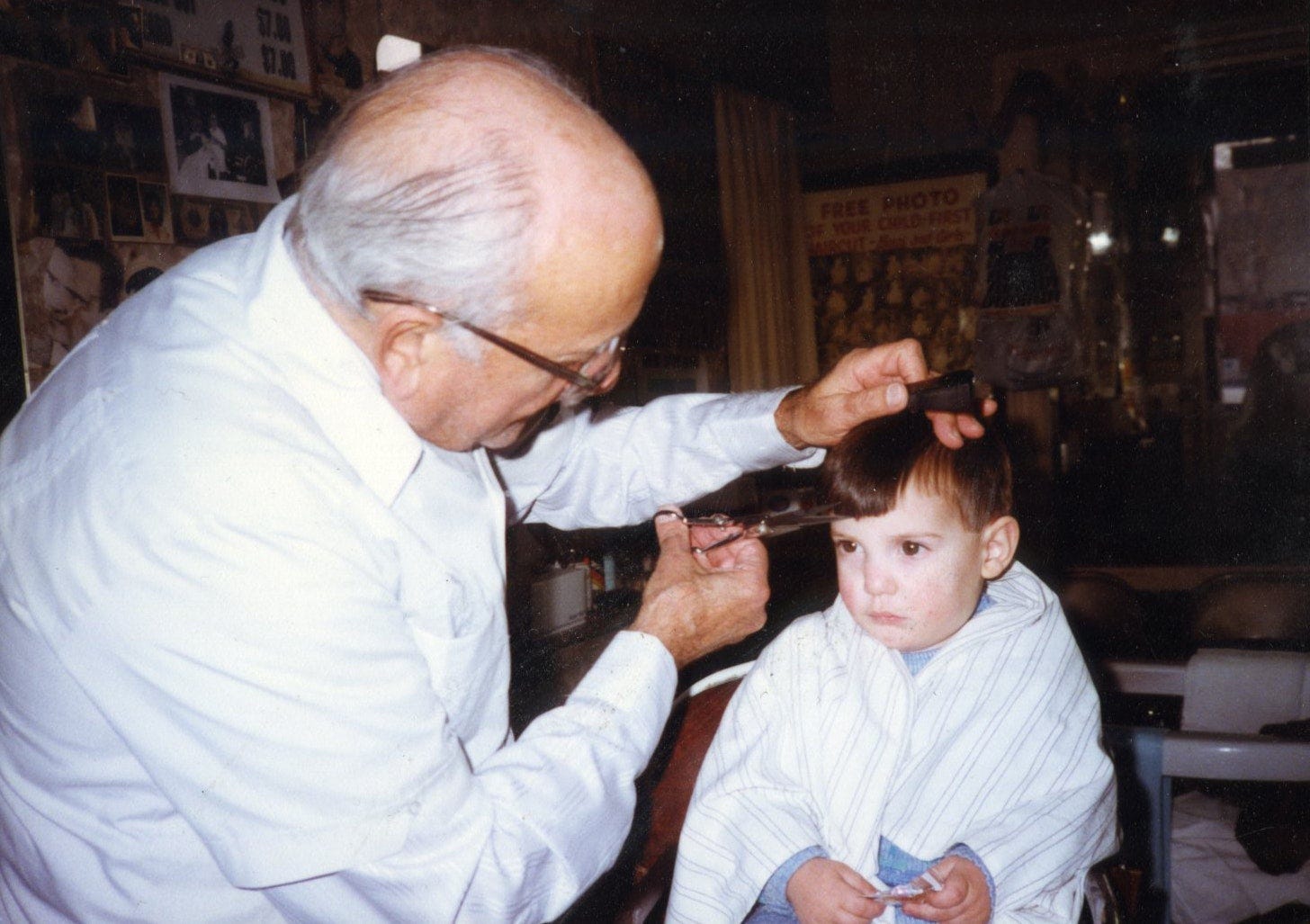
After finding another job in Queens where Al Criscillo earned up to $20 a week, he was drafted into the army. After training along way from home at Camp Adair in Oregon, Criscillo realized he would never be able to take the life of another human. Settled with this dilemma, Criscillo confessed to his captain (who was from the Bronx) that his shoulders trembled every time he held his rifle during training. The captain was initially shocked, but then understood Criscillo could be useful as a barber and medic. Fastforward 10 months and Criscillo was in Marseilles working with General Patton’s Third Army chasing after retreating Germans toward the Rhine. One of the main responsibilities for Criscillo’s duty as a medic was distinguishing which injured soldiers could be saved and who could not on the front line. The tragedies of war greatly affected Criscillo, who also dealt with near death experience.
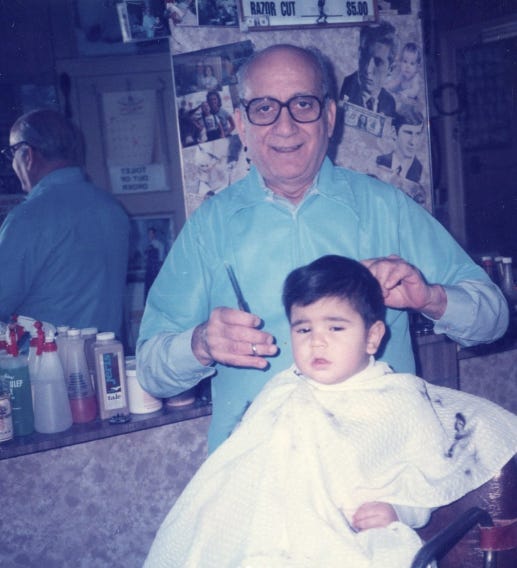
Al Criscillo didn’t return home until April of 1946. Upon his return to Brookyln he said, “I didn’t give a shit about anything. I wasn’t myself.” He went to a VA Hospital and saw a Dr. Levine, who prescribed him some sleeping pills and an envelope for harder prescription enclose in an envelope. Dr. Levine told Criscillo to not open the sealed envelope unless the sleeping pills were no longer working. After some time, Criscillo opened the envelope and it was only a note that read, “get a job and come see me again in six months.” He took the advice and found a job at a barbershop just 2 blocks from a VA. Due to the GI Bill, Criscillo was able to take night classes at a beautician school. Back then it could sometimes take up to 5 years to earn a degree, but within 6 months Criscillo was working as a beautician. “I was a good beautician, but women, they’re never satisfied. They say they want you to cut their hair, but really they want you to make ‘em look ten years younger.”
Sidenote: Now I know how my sister must feel.
After cutting women’s hair in Manhattan, Al Criscillo returned to Williamsburg and decided stick with being a barber. He took over a chair on Metropolitan Avenue and worked for an elder man who was looking to eventually sell his barbershop. After 4 years of working the 2nd chair, Al Criscillo eventually had his own place. He told the Brookyln Rail, “This place for me has never been a job. After everything I went through, I don’t consider this work. Every morning I leave home and I come to my other home.” Not a bad gig as he his shop stayed open for 5 decades.
Much of Al Criscillo’s story comes from The Brooklyn Rail article called Al the Barber: the Luckiest Man in Williamsburg, published by Sean Silleck in 2002. Thanks to that random trip to the City Reliquary, I just learned about 2 awesome stories worth sharing about Norman Rockwell and Al Criscillo. Never know what you’ll stumble upon.
This Week’s Bit on The Roman Empire
It is with great sadness to report that after this Sunday’s Stumblin’ Along, we have officially run out of things on display at the Ancient Rome: Exhibition in New York. Therefore, we must go out with a bang, so this quick bit on The Roman Empire is on the Roman Colosseum.

The Colosseum games were sponsored and paid for by a wealthy public figure, usually a politician or Emperor. He would be honored with the title of “Editor of the games.” Typically the games were used as a way of boosting political popularity for the Editor, however, things didn’t always go to plan. For instance, back in 69 AD, Emperor Vitellius paid for the spectacle only to get murdered by an angry mob because he failed to put on a good enough show.
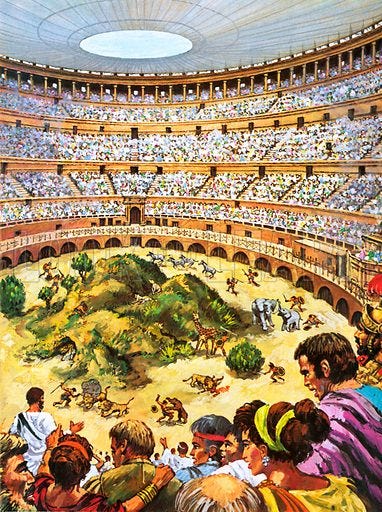
While everybody knows about Gladiators at the Colosseum was the main event, fighting wasn’t the only draw. Not all the games were violent. Sometimes the crowds would be treated with acrobatic displays, singing, and dancing. Other times the crowd saw everything from panthers pulling chariots, political satires, and even elephants writing Latin phrases with their trunks into the sand. This sorta makes sense, it’s not like the MetLife only holds football games.
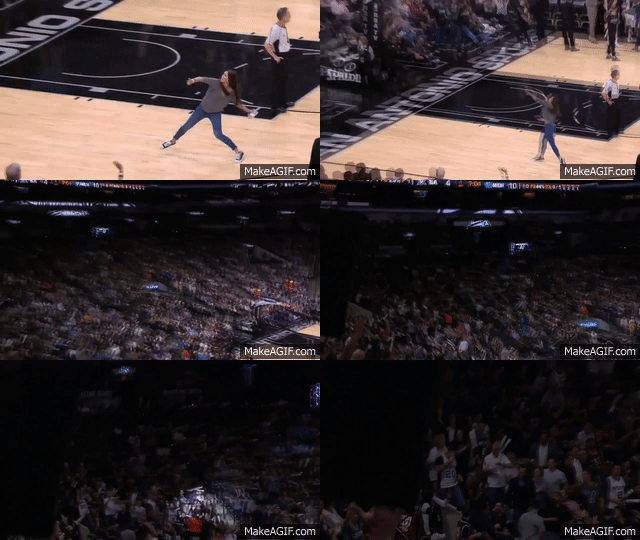
At the start of the games, the Editor would parade around the Colosseum stage usually riding in a chariot with the participants. The participants in the games would sometimes throw objects to the spectators. These items thrown ranged from keys to a new house, a pet elephant, or a booby prize like broken pottery. It was almost like T-Shirts we get at arenas, but you have a shot at winning a car like if you hit a halfcourt shot at halftime.
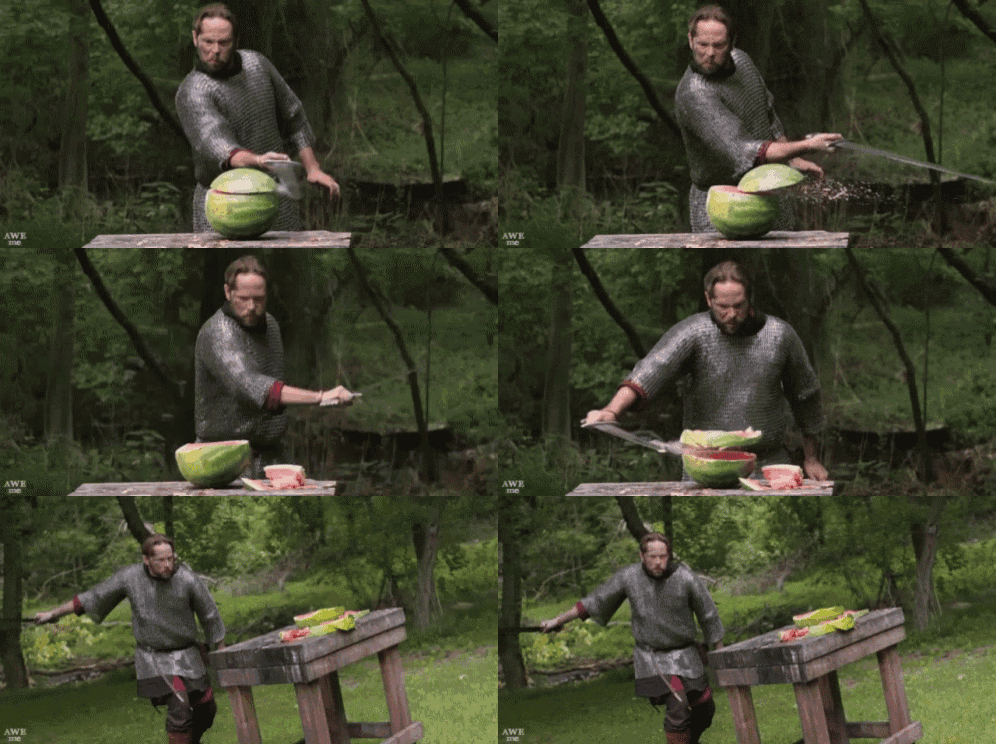
After parading around with prizes, the Editor would then take part in a ceremony called probatio. During the probatio ceremony, the Editor would test out the gladiators weapons by cutting up vegetables. “The testing” was done so the Editor could prove to the crowd that the weapons of the gladiator games were sharp and deadly.
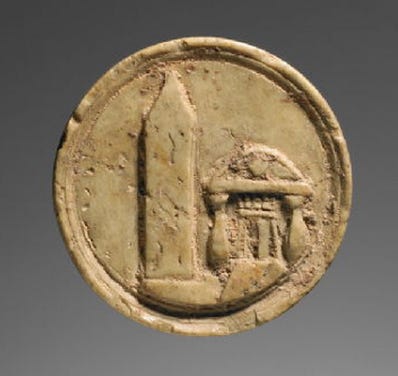
With crowds of sometimes over 50,000 spectators, getting everybody in and out of the Colosseum had to be efficient. Each of the spectators was given a ticket made of clay which featured a seat and gate number. How about that? The Colosseum had 80 gates. 76 of them were for the general public and 4 were VIPs. That’s like the parking garages for the players and staff under Yankee Stadium today. With so many direct gates, if everything was going smoothly, crowds could fill in and leave in about 20 minutes. Unlike Yankee Stadium, they wouldn’t have to wait 45 minutes in the public parking garage to leave.
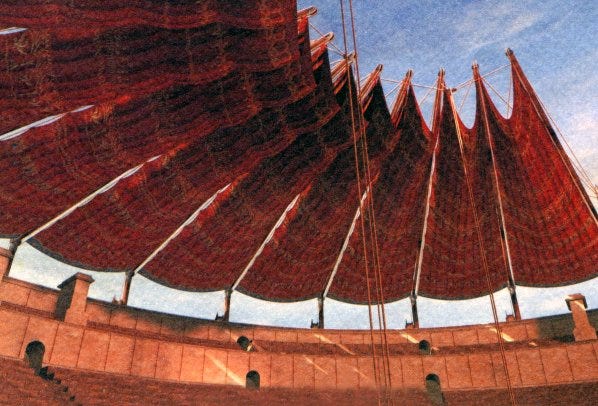
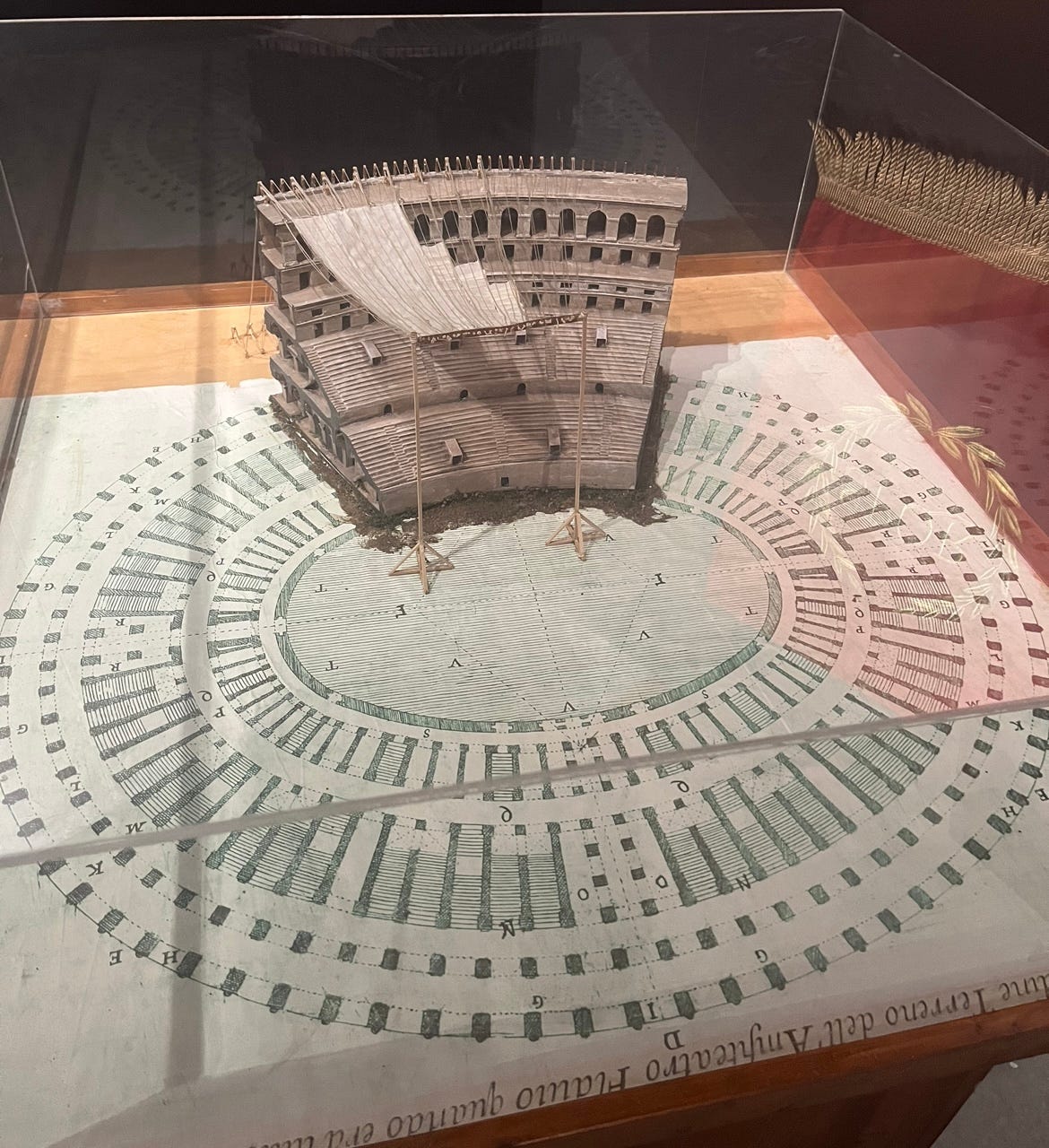
Also like many stadiums today, the Colosseum had a retractable roof system. The roofing system wasn’t the bubble structure we have today, it was a series of sails-like fabric that could be extended and retracted to give spectators shade from the sun. Not quite sure if it’d be too effective with rain. Usually the people who worked on the retractable roof were controlled by Roman sailors who also acted as security in the event that a riot or fight broke out in the stands.
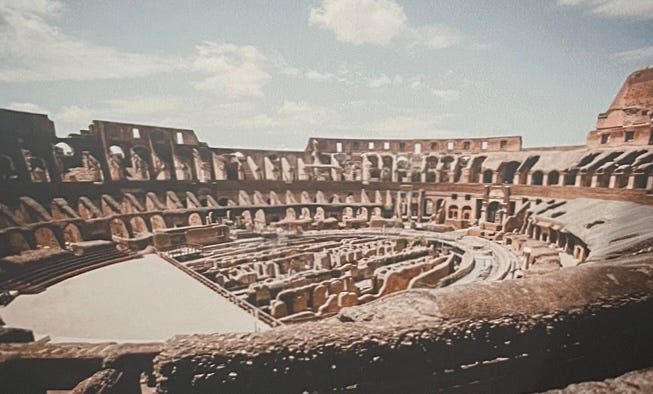
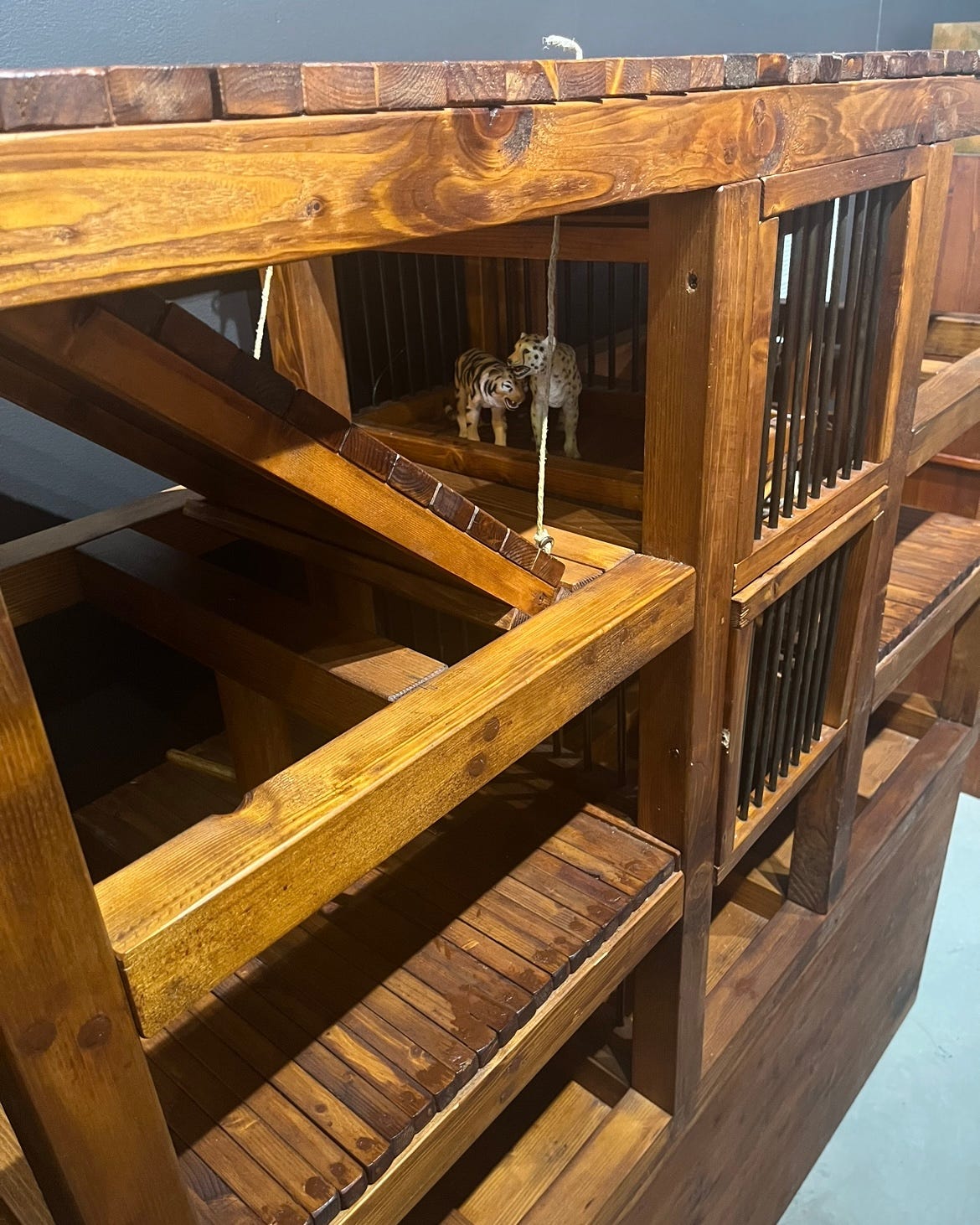
Underneath the Colosseum was the Hypogeum. The basement of the stage consisted of an elaborate system of tunnels and animal pens. There were 80 veritial shafts and 36 trap doors which is how they would get animals involved. It was said that over 300 men operated on the Hypogeum, who would use the shafts to elevate the animals and sometimes gladiators on to the arena’s stage at any given time of the show. Below is a good example of how they got the tigers.