Stumblin' Along 5/26 '24
Take A Walk (Vol II)

Take A Walk (Vol II)
- Memorial Day Weekend
- Hoboken’s WWI Rock
- Harlem Hellfighters
- YouTube Rabbithole

Alright @YouTheReader,
Today’s tune on this Sunday's Stumblin’ Along is Take a Walk by Passion Pit. I wrote a whole spiel under the lyrics with a ton of grammatical mistakes and misspellings on Stumblin' Along 4/28 '24 so we’ll keep this intro short with the chorus.



On to Stumblin’ Along, Stumblin’ Along, Stumblin’ Along…
Memorial Day Weekend
According to the Congressional Research Service, Memorial Day is a day of reflection and remembrance of those who died while serving in the U.S. military. The holiday’s origins date back to the American Civil War when a combined more than 600,000 men on both the Union and Confederate sides died. Originally the idea behind a day of remembrance for fallen soldiers was called Decoration Day, which was first celebrated on May 30, 1868. This time of year was picked on purpose so that flowers from all over the country were in bloom for the graves of soldiers. There seems to be a weird controversy over who and where first created Decoration Day, as bunch of different states and cities make the claim; however, Charleston, South Carolina might have the best case.
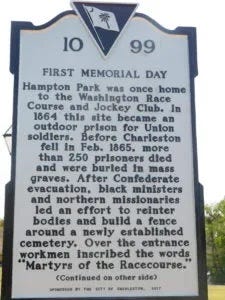
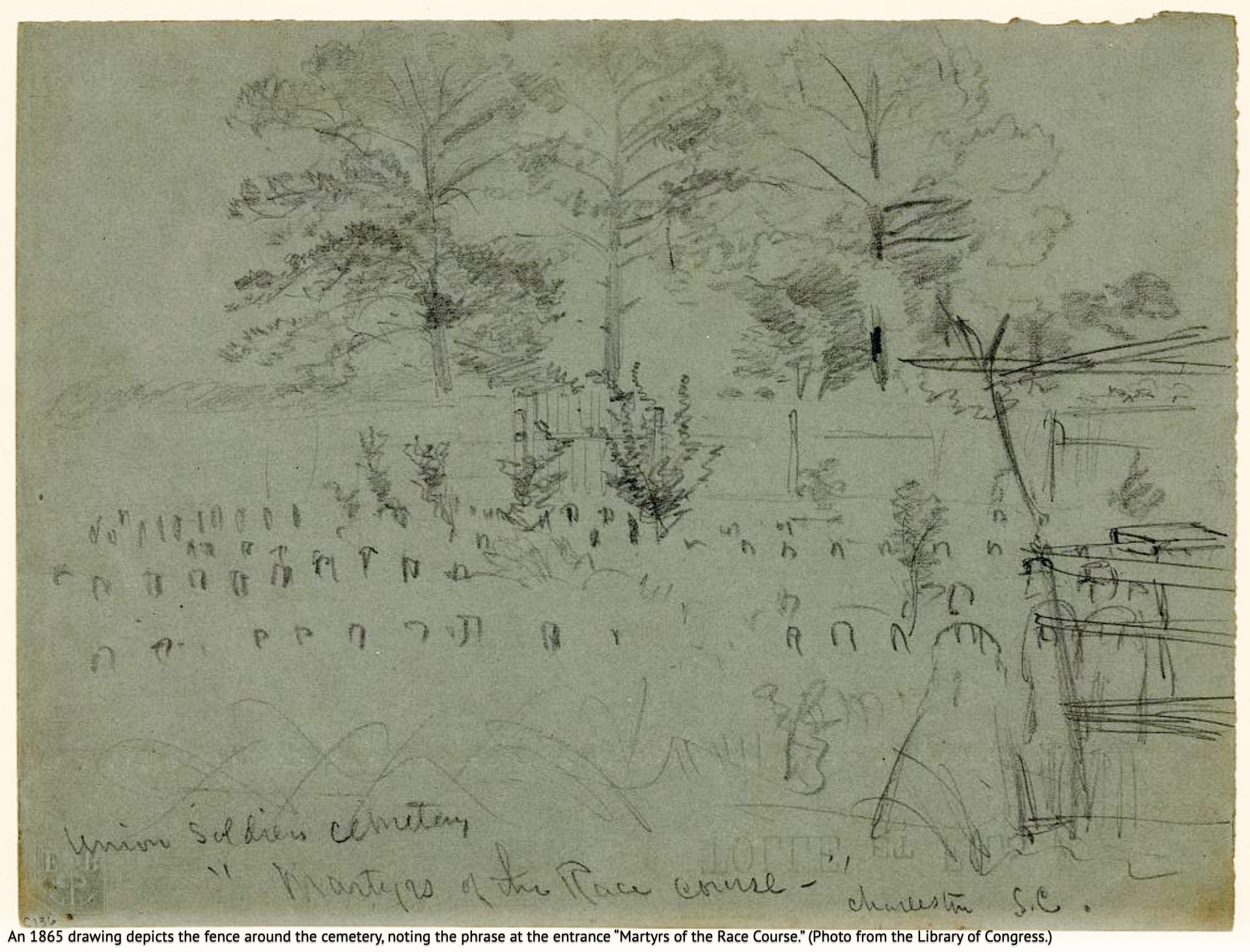
When the Confederate army lost Charleston, Union soldiers who died while being prisoners were buried together in mass graves. One of the first things that newly emancipated slaves did was dig up the 250+ prisoners and bury them individually. Next, over 10,000 freed slaves then held a parade to thank the Union soldiers for their service and named them “Martyrs of the Race Course.”
If on Memorial Day Weekend the first thing you think about isn’t remembrance and honor, this isn’t something new. Americans have BBQ-ing and partying the last weekend of May well before BBQ grills were a thing. As early as 1869, The New York Times wrote that the holiday could become “sacrilegious” and no longer “sacred” if it focused more on pomp, dinners, and oratory. Fredrick Douglas feared, “We must never forget that the loyal soldiers who rest beneath this sod flung themselves between the nation and the nation’s destroyers.” In 1972, Time Magazine said the holiday had become “a three-day nationwide hootenanny that seems to have lost much of its original purpose.” (Source: PBS)
Here is another piece written from Stumblin’ Along on Memorial Day in ‘23….
Hoboken’s WWI Rock
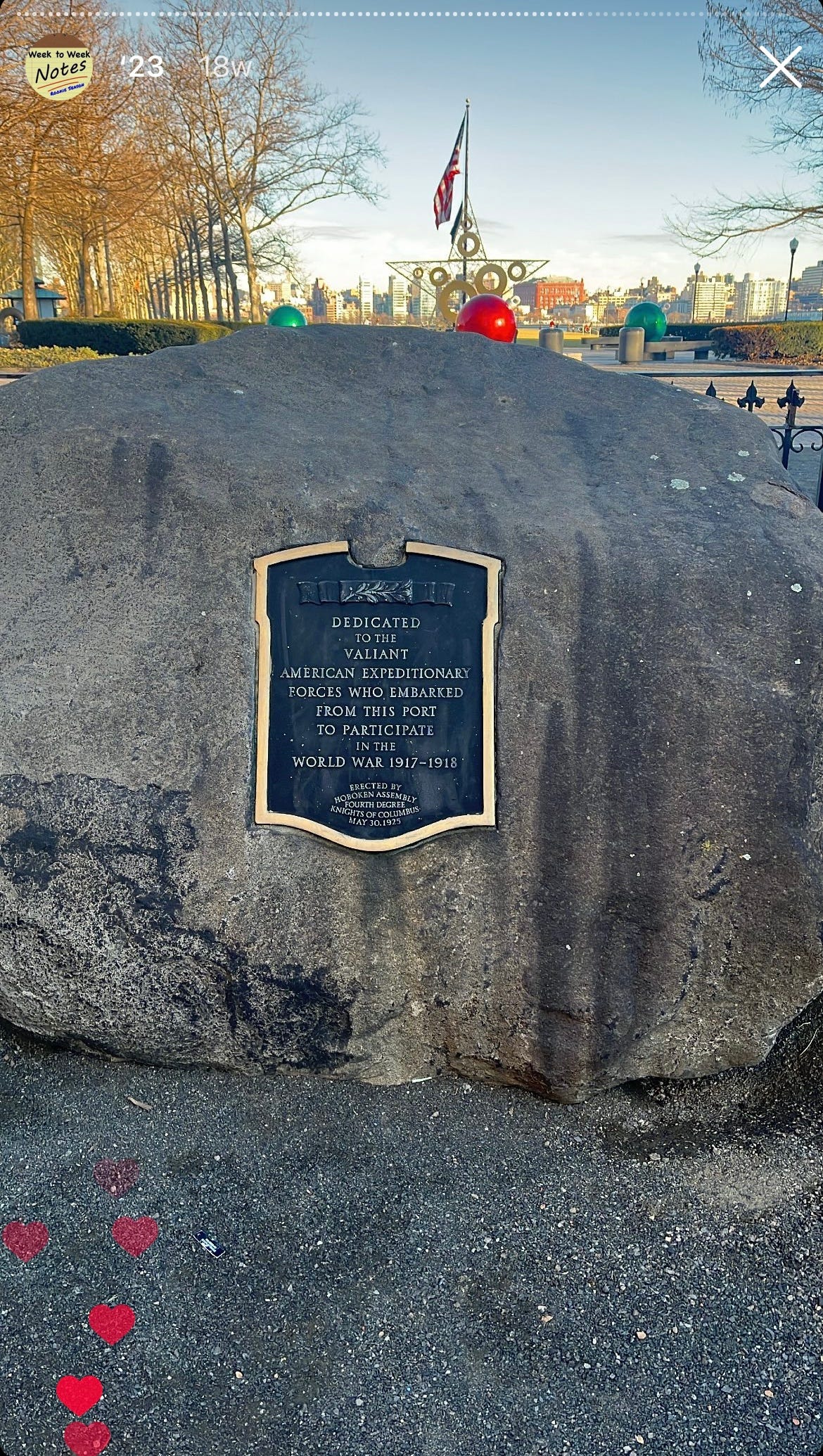
In US history, World War I typically gets glossed over. That’s likely because the United States didn’t get involved until the tail end of it and we also didn’t get attacked on US soil like Pearl Harbor. The only threat the US faced was the Zimmermann telegram from Germany that asked Mexico to invade & reclaim Texas, plus a few German U-boats sunk American passenger ships. That said, the United States’ involvement in the Great War began in Hoboken, New Jersey, as it was the Port of Embarkation.
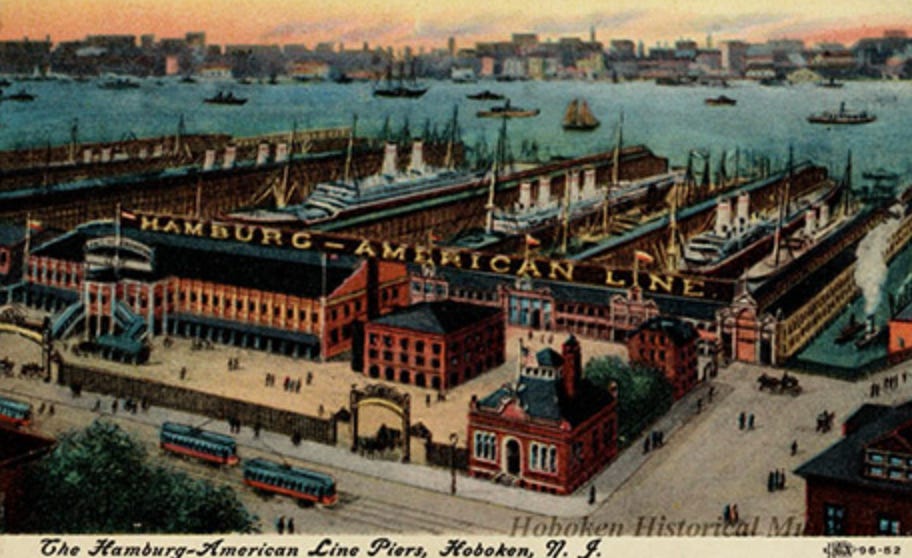
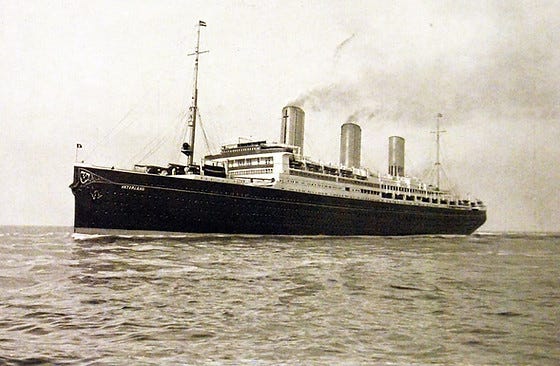
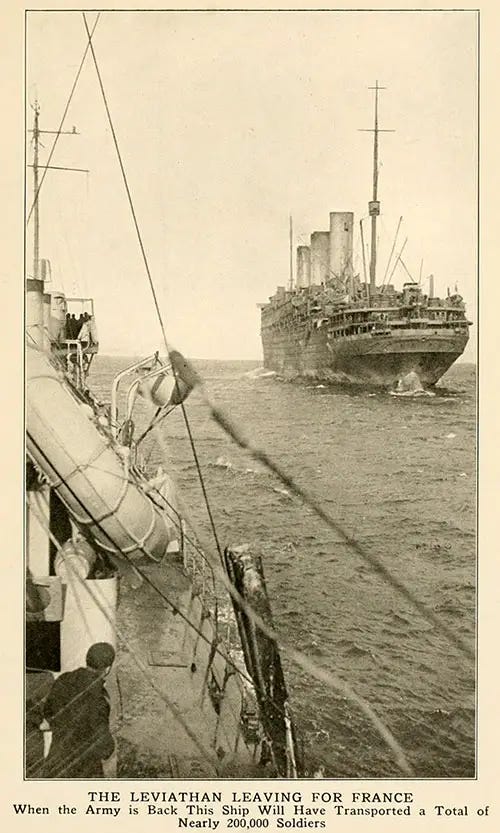
In 1910, Mile Square City was a German town home to a population of 70,324, and 10,018 of them were German-born. At the start of the war, Germany was still trading with the US and even docked the Hamburg-American liner “Vaterland” at Hoboken’s harbor. It was the largest ship in the world at the time which weighed 58,000 tons. During the war, Britain eventually would take control of the Atlantic Ocean, putting a blockade over Hoboken and New York City ports. Thus the Vaterland would be painted over in camouflage, renamed USS Leviathan, and found a home at the ports of Newark, New Jersey. Once the US entered the fray, the massive German ship was used against them, as over 120,000 American soldiers sailed on it to Europe.
One of the adverse effects of WWI on the US was German Americans faced some unfair treatment based on where they were from. Dock and shipyard workers were fired by the thousands as German, Austrian, and Hungarian workers, who were American citizens, lost their jobs. There was even a federal order that prohibited “enemy aliens” from living, working, or traveling within one hundred yards of docks, piers, and waterfronts causing thousands of evictions on Hudson and River Streets. Every German-born or child of German immigrants was required by the US to register as an “enemy alien.” This targeted roughly 500,000 German-American citizens. As a result, by the end of World War I, Hoboken was no longer considered a German American town as many fled the militarized city. (Source: Hoboken Historical Museum)
WWI American Soldiers were known as “doughboys.” The nickname had a different connotation than what we think today, as American soldiers weren’t slanging drugs and the Pillsbury Doughboy didn’t start appearing in commercials until 1965. While the origins of the name aren’t exact, the History Channel gives two cases:
1) In the Mexican War of 1846-48, American infantrymen made long treks over dusty terrain, giving them the appearance of being covered in flour, or dough
2) Continental Army soldiers who kept the piping on their uniforms white through the application of clay. When the troops got rained on the clay on their uniforms turned into “doughy blobs,” supposedly leading to the doughboy moniker.
Great nickname and much better than the French who were known in WWI as “poilu” (“hairy one”) because of their mustaches and beards. The British also had a solid nickname, “Tommy”, not because of Tommy Shelby, but as an abbreviation of Tommy Atkins, a generic name (along the lines of John Doe) used on government forms.
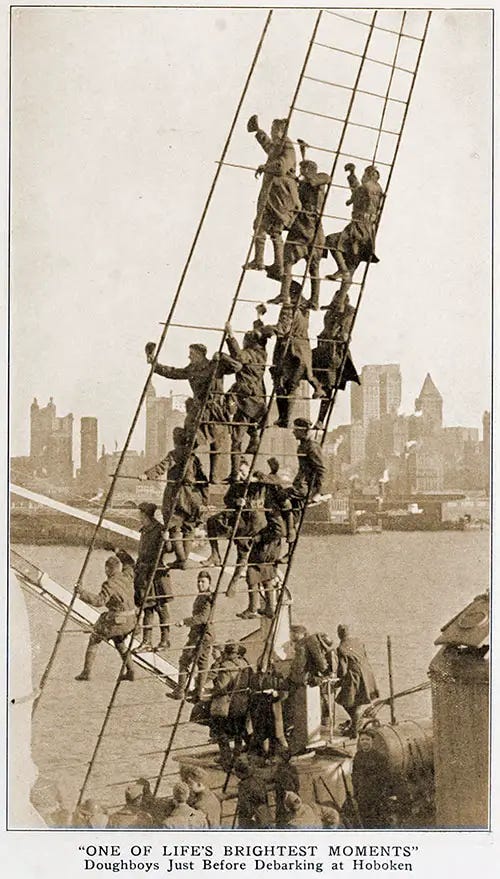
One of the first moves the United States made after declaring war on Germany on April 6, 1917, was seizing and converting German-owned shipping piers of Hoboken into the port of embarkation for the U.S. Expeditionary Forces. The first convoy set sail from Hoboken to Europe on June 14, 1917, and it gave the mile square across from Manhattan a bit of national fame. US General John J. Pershing famously promised the soldiers, that by Christmas of 1917, the Doughboys would see “Heaven, Hell, or Hoboken.” All in all, Hoboken was the beginning of 936 voyages to Europe and over 2 million Doughboy Americans passed through Mile Square City between the spring of 1917 and the fall of 1918.
Another little-known fact is that Prohibition actually began a bit earlier in Hoboken, New Jersey. All the Doughboy soldiers, who made up the majority of the city’s population during WWI, were prohibited to drinking. The Army successfully shut down all but 60 of the city’s 338 saloons in Hoboken. (Source: World War I Centennial) Holy shit, that’s a lot of fine drinking establishments to get a pint from!


Hoboken didn’t change just for Doughboys in WWI, women also were affected by it unofficially being turned into a military base. Women could not walk the streets after dark or they would face charges of prostitution. Pretty extreme measure. At least during the day, some positive effects of WWI in Hoboken for women occurred. Women in the Salvation Army were known as Lassies. Some would even join the men on their trip to Europe where they would be given another nickname “Doughnut Girls.”
(Source: Hoboken Historical Museum)


Doughnut Girls would bake apple pies and donuts for the Doughboys on the front lines. Stella Young, the young lady pictured above, became the poster girl of the Doughnut Girls. In 1919, the song “My Doughnut Girl” was composed by Robert Bertrand Brown and written by Elmore Leffingwell, with Stella Young gracing the cover of the sheet music. As a doughnut girl, Stella was committed to doing her part to provide a touch of home and comfort to the soldiers. Often, this meant doing so in the midst of shelling and with the horrifying results of war within earshot and plain sight. On one occasion, while she was mixing a batch of doughnut batter, a shell exploded sending shrapnel into the shelter. Stella had just gone to get some sugar when a piece of shrapnel landed in the frying pan near where she was just working. She kept that piece of shrapnel as a souvenir for the rest of her life. Aside from donuts, WWI women also played a key role in operating early 1900s phone lines during the war. They were nicknamed “Hello Girls” and were responisble for painting over the Vaterland turning it into the USS Leviathan.
(Source: Everett Independent & Unwritten Record)
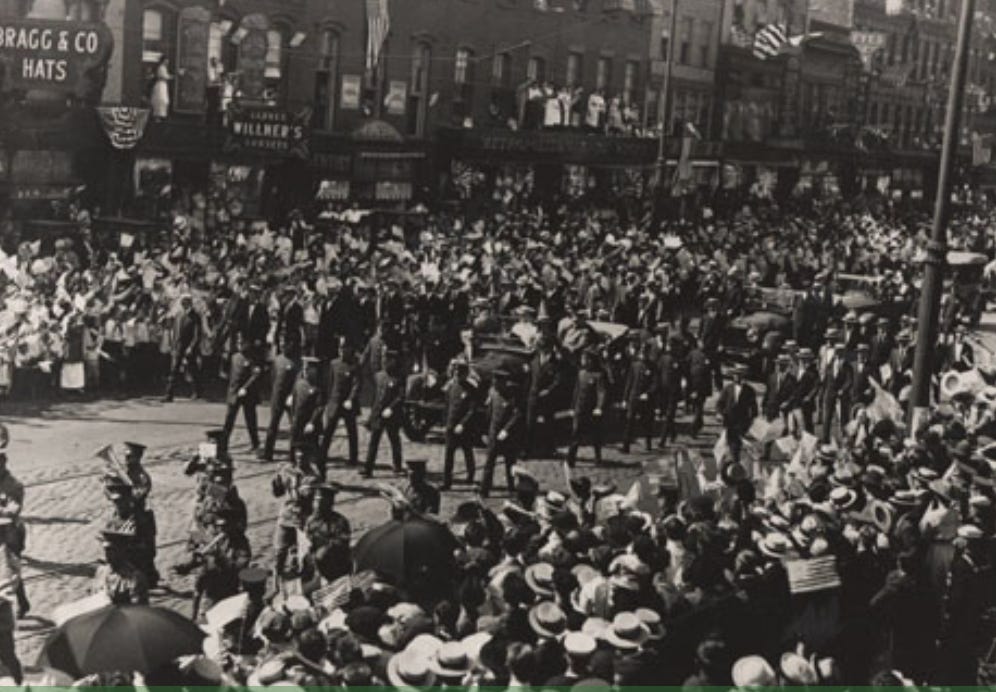
After the armistice was declared on November 11, 1918, Hoboken then became the spot of celebration and mourning in the US. The Doughboys started making it back to Hoboken on December 2, 1918. General Pershing wouldn’t make it back to Mile Square City until September 8, 1919, as the Treaty of Versailles was signed on June 28, 1919. Thus President Woodrow Wilson didn’t dock back in Hoboken until July 8, 1919. He was met with celebration as Wilson paraded down Washington Street in a car wearing a tophat. Lastly, the bodies of the fallen soldiers of the First World War started coming home on November 13, 1919. Over 50,000 Americans died in combat, and thousands more died from diseases, the main being the Spanish Flu that they brought back with them. After we’ve all just been through one Global Pandemic, I don’t think we need to touch base on that today. On May 24, 1921, President Warren G. Harding came to Hoboken to hold a ceremony for the dead.
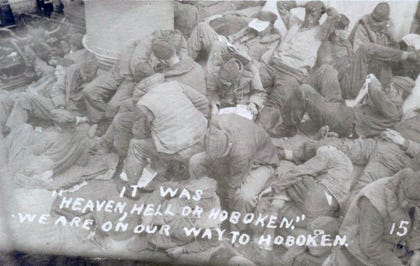
“Heaven, Hell, or Hoboken” also is a tough saying. Today, Hoboken commemorates the American WWI forces with a plaque on a rock. It’s goes pretty hard as a symbol for the Port of Embarkation of World War I. Most of these 2 sections I wrote last year and made some edits, this next one is a fresh addition to Stumblin’ Along Memorial Day Weekend…
Harlem Hellfighters
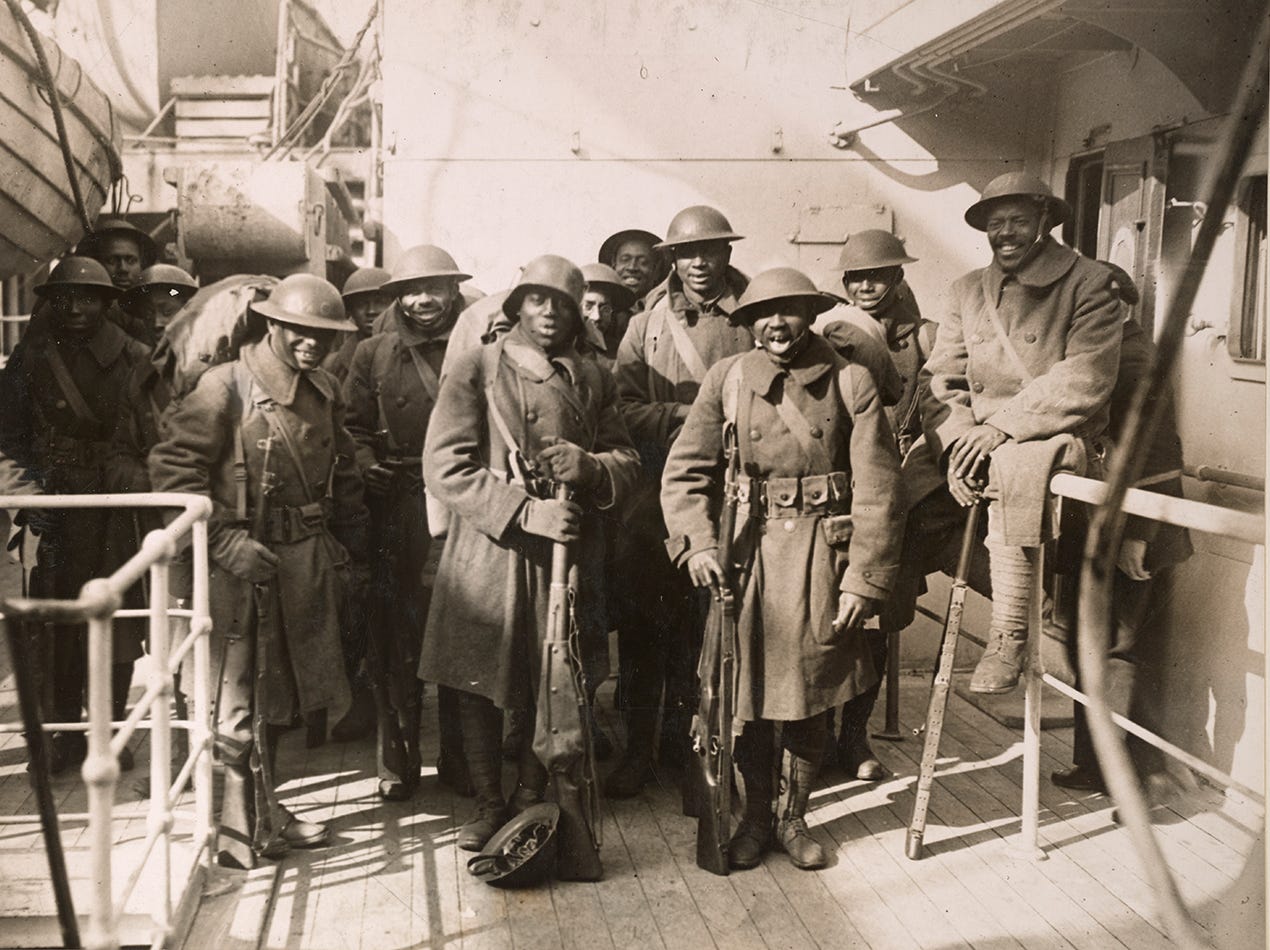
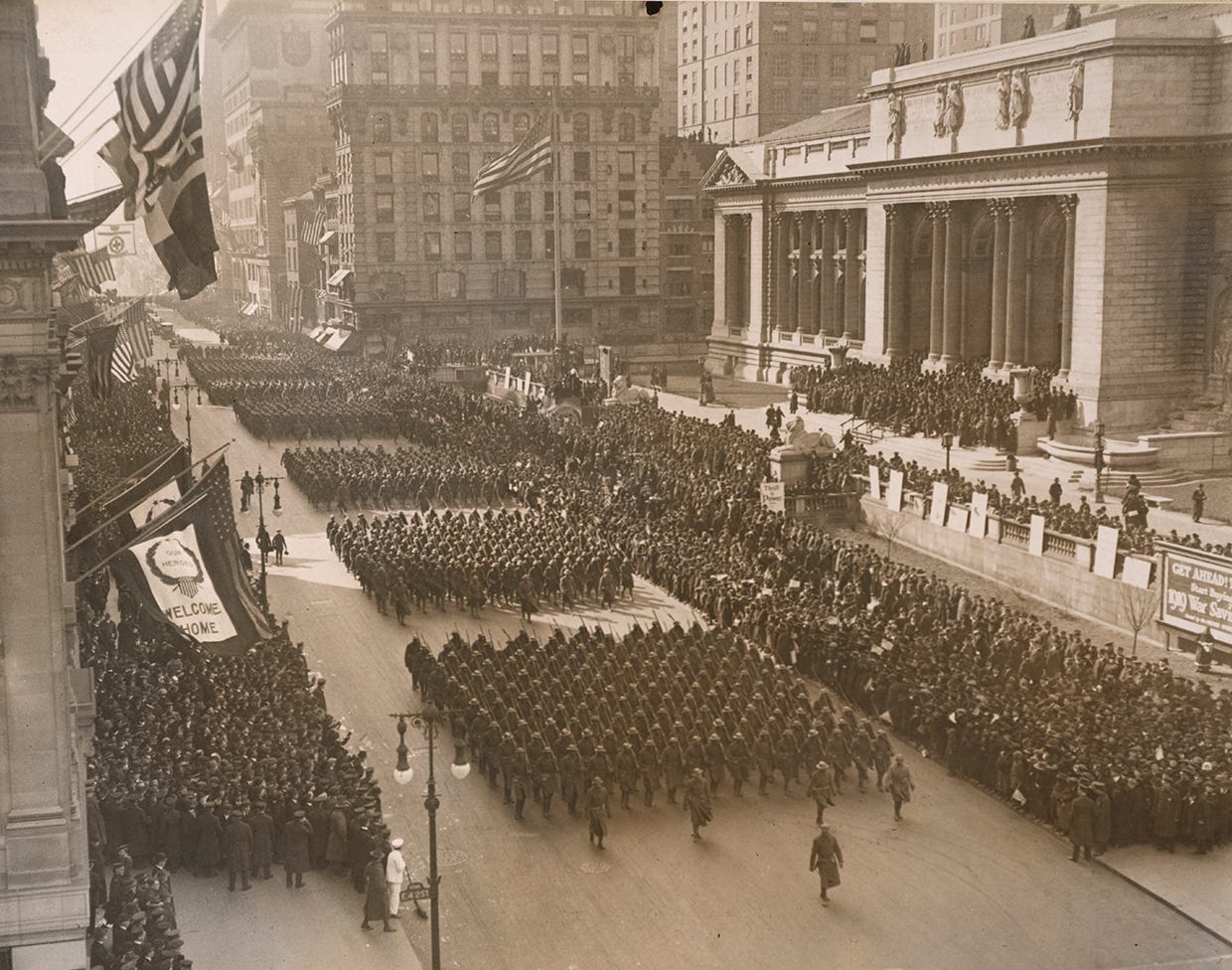
One of the most famous units of the Doughboys was the 369th Infantry Regiment of the 93rd Division. Many from this unit enlisted with the hope that their patriotism and service would lead to better treatment at home. Before leaving for war in Europe, the regiment was denied permission to participate in a farewell parade for the New York National Guard. NY’s National Guard was known as the Rainbow Division, however, they were denied because “black isn’t a part of the rainbow.” Nonetheless, without a parade, the 369th Infantry Regiment made a name for themselves while fighting in France. They wore rattlesnake insignia’s on their Doughboy uniforms, so initially they nicknamed themselves the “Black Rattles.” When white American soldiers refused to fight along with them, they were sent to the French’s 16th Division. The French, who were struggling at the time, would nickname the “Men of Bronze”, but it would be the name the Germans gave them as them that would ultimately stick…the Harlem Hellfighters.
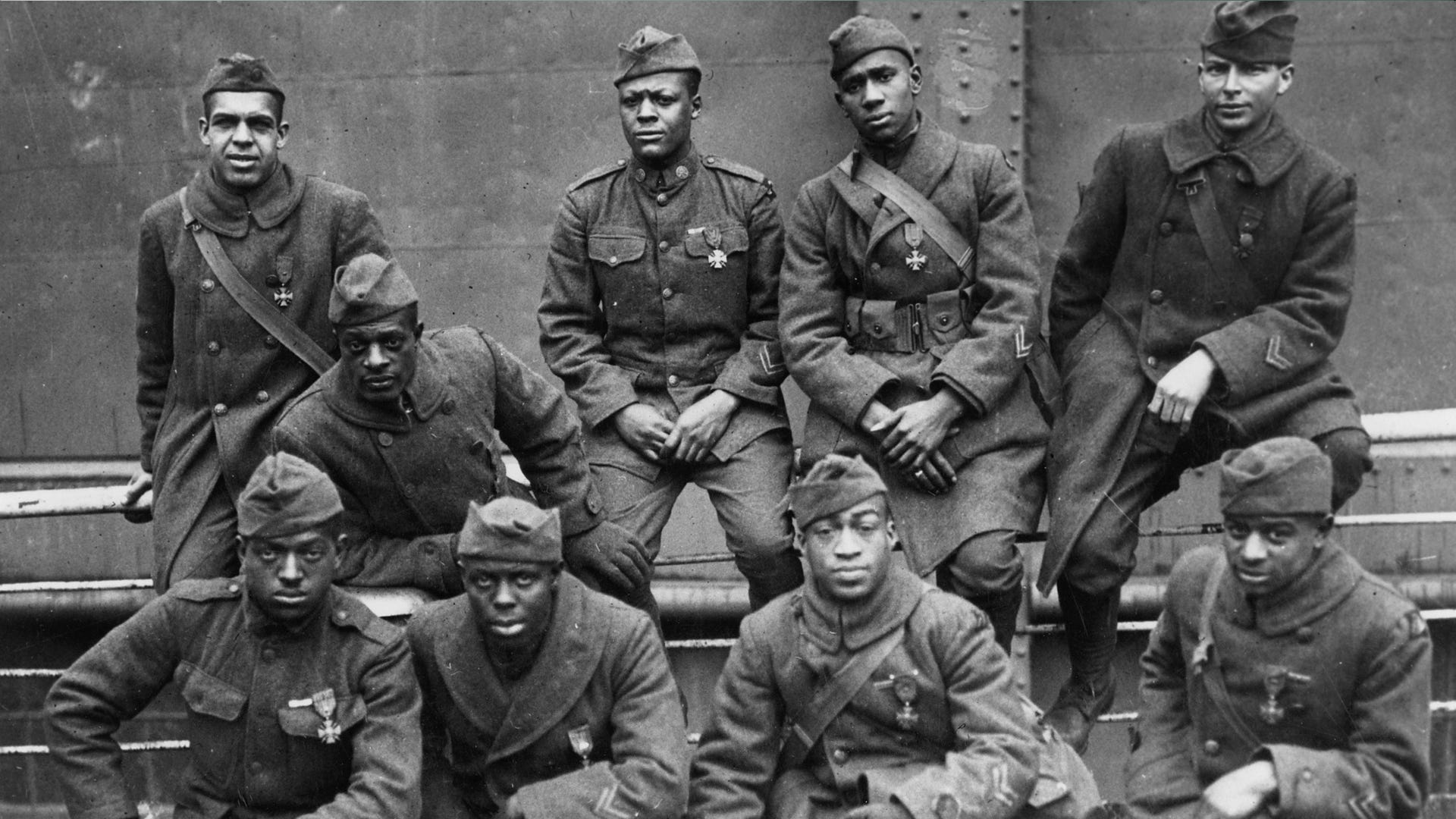
The Harlem Hellfighters regiment were made up of several thousand soldiers. They would fight alongside the French front-lines for 191 days, the most continuous amount of time any American combat regiment of it’s size. While they faced discrimination amongst even their own American generals, the Harlem Hellfighters were a blessing to the French, who’s government would award 171 soldiers the Croix de Guerre, a military honor. You can see the Croix de Guerres on the soldiers above, it’s the medal crosses. While the unit was known to be wildly successful and extraordinary, their unit endured 1,400 total casualties, the most of any American in WWI.
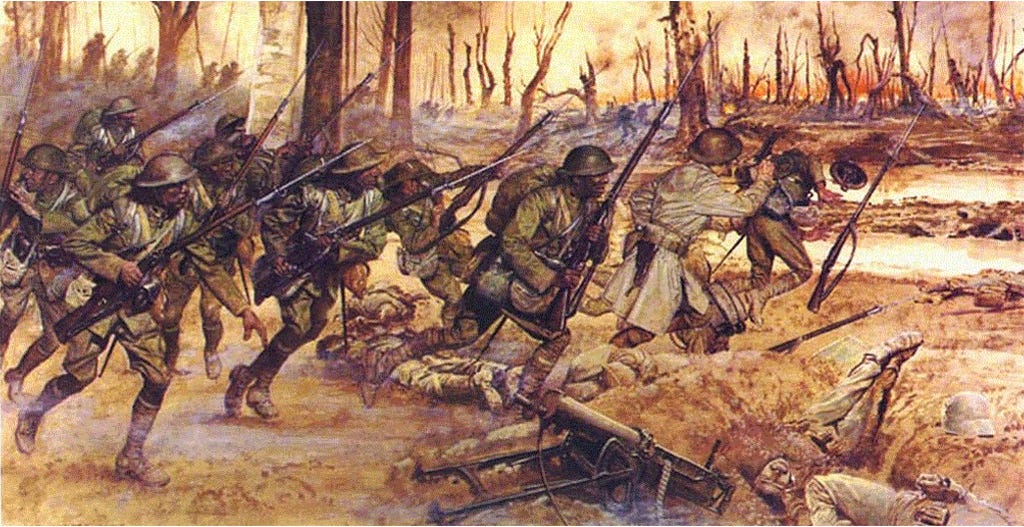
The Harlem Hellfighters were a part of the Meuse-Argonne Offensive. While much of World War I was fought in dug-in trenches, the Meuse-Argonne Offensive was one of the final allied offensives of the war. The offensive last 47 days from September 26 to November 11 1918, otherwise known as Armistice Day. The Meuse-Argonne Offensive saw 350,000 casualties inclduing 26,277 American lives. About 1/4th of the men that died in the Meuse-Argonne Offensive died of poisnonus gas. For the Harlem Hellfighers, the offensive would cost them 851 men.
(Source: ABMC)
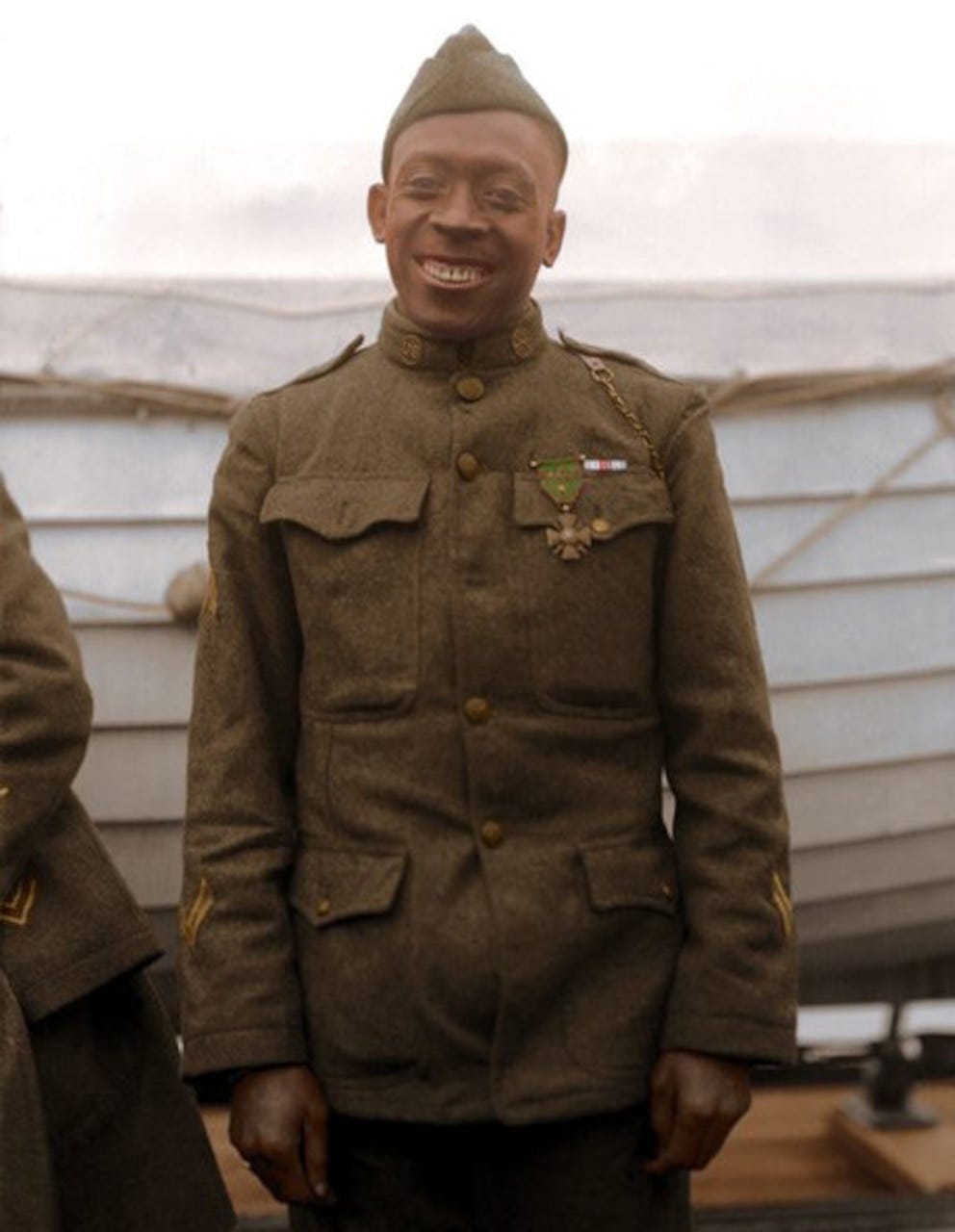
One of the most famed Harlem Hellfighters was Private Henry Johnson. Born on July 15, 1892, in Winston-Salem, North Carolina, the Johnson family moved to Albany, New York when he was in his teens. While living in the capital of New York, Johnson worked several jobs including a soda mixer, coal-yard laborer, chauffeur, and redcap porter at Albany’s Union Station. A redcap porter was someone who would wear a red hat to stick out at train stations and their job would be to help passenger’s with their luggage. Henry Johnson enlisted in June of 1917 and less than a year later was where his military legend began. Around 2AM on May 15, 1918, Henry Johnson and his fellow Harlem Hellfighter comrade, Needham Roberts, were on observation-post duty forward of the main line. That night, 25 German soldiers tried sneaking up on the Allies trenches. Johnson and Roberts somehow managed to hold them off using mostly hand to hand combat. Private Johnson used his gun as a club and his bolo knife once he ran out of bullets. Both Johnson and Roberts would somehow survive, as Johnson would be wounded reportedly in 21 different places. The French made sure to give him a Croix de Guerre. When he returned to Albany from duty, Johnson worked again as a redcap porter but he was never quite able to recover from his wounds. He sadly passed away just a decade later at the age of 36. In 1996, Private Johnson would posthumously receive the Purple Heart. In 2002, the Distinguished Service Cross, and in 2015 Private Henry Johnson would earn the Medal of Honor.
(Source: NPS)