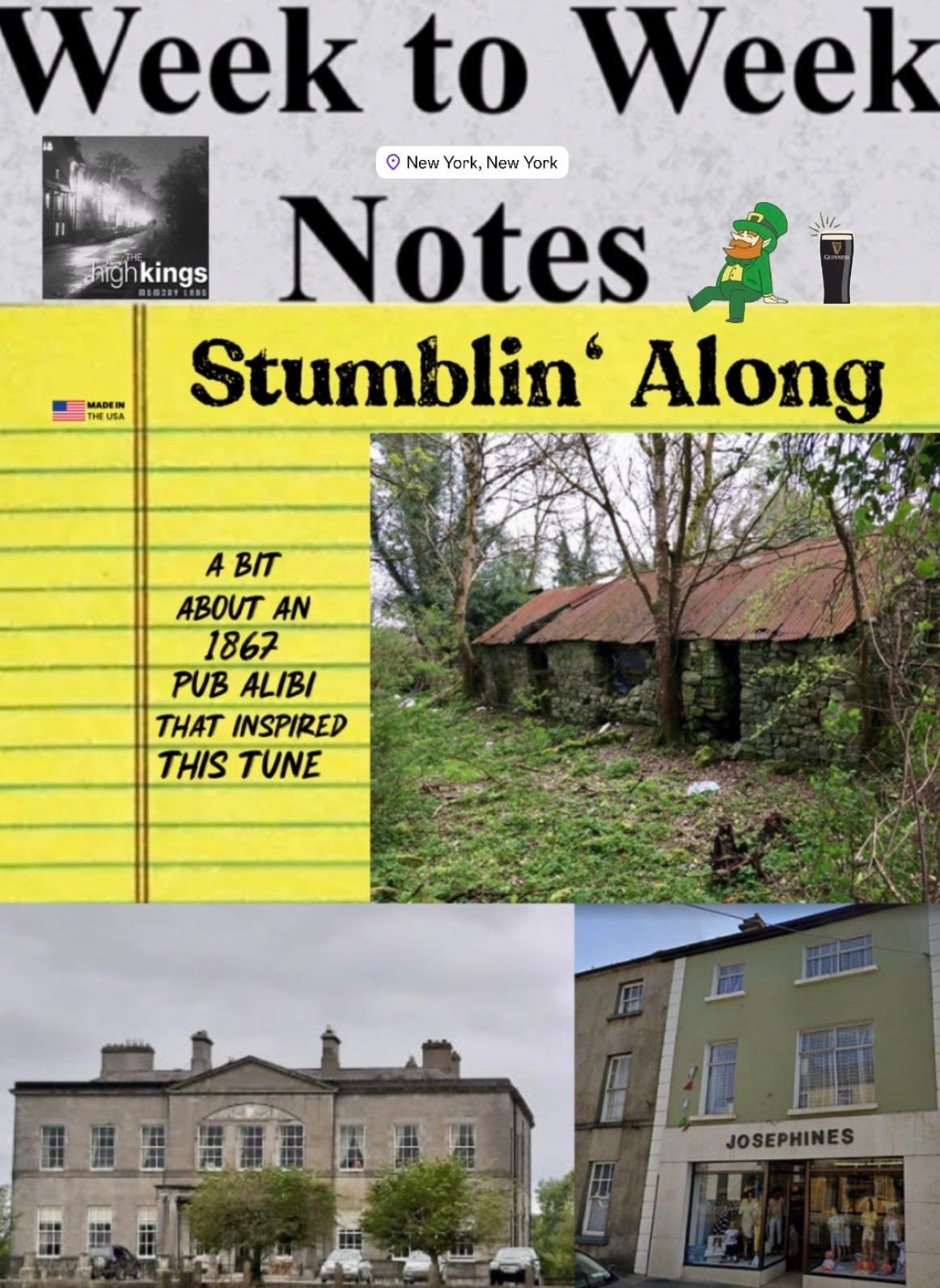
Stumblin' Along 3/8 '26
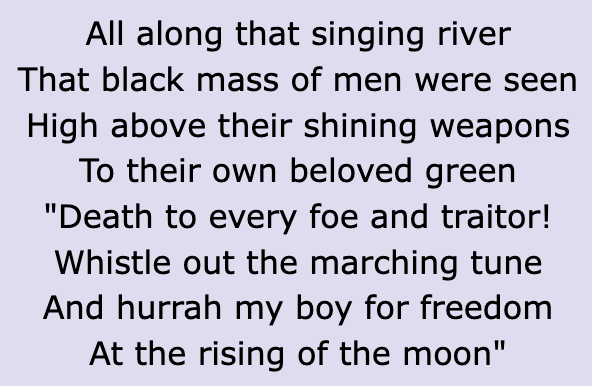
The Rising of the Moon

Rising of the Moon
- YouTube Rabbithole
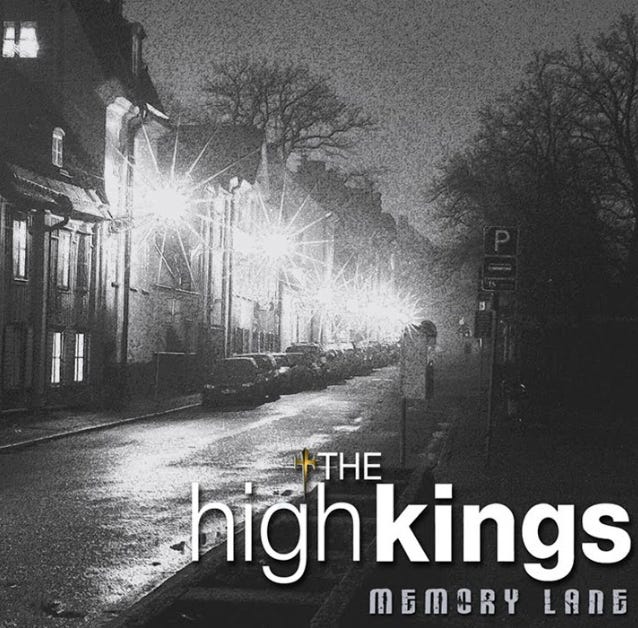
Today’s tune is The Rising of the Moon by The High Kings.
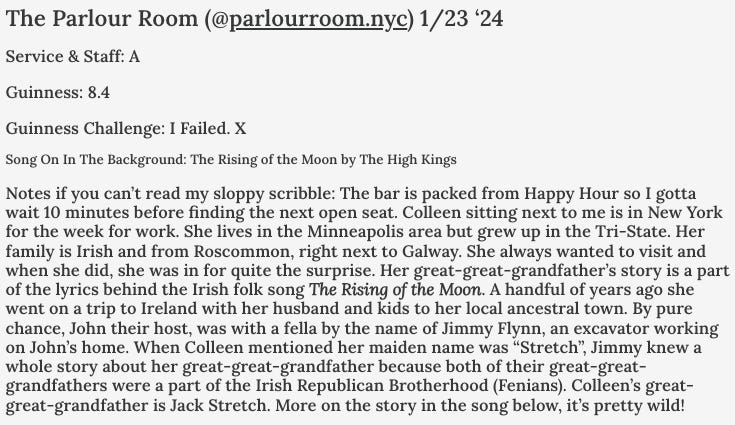
This tune has multiple renditions, also sung by The Dubliners, The Pogues, and The Clancy Brothers. While the folk song dates back to the Irish Rebellion of 1798, it’s a tune that’s been sung for centuries, so there's a good chance some of the lyrics and references have been added over the years. A couple of years ago, I was at The Parlour Room in Manhattan….
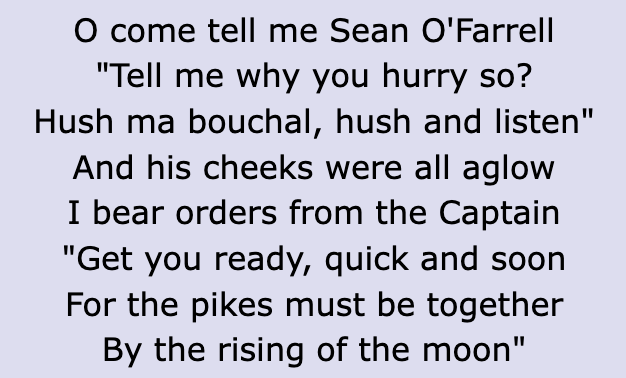
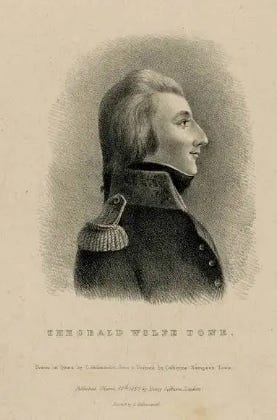
The Irish Rebellion of 1798 was led by Theobald Wolfe Tone, the leader of the Society of United Irishmen. The rebellion was partly inspired by the American and French Revolutions, with about 1,000 French soldiers joining the cause. For about 5 months in 1798, the conflict persisted mostly through guerrilla warfare. The end result was upwards of 30,000 deaths, with the British abolishing the Irish Parliament, which was already a subordinate under British Parliamentary rule.
According to the Irish historian, Jimmy Flynn, this ballad was written, “By a guy working at the Castlerea Post Office around the late 1860s.” That would be John Keegan Casey, who used the pen name Leo Casey. John Keegan Casey was originally from County Longford, the neighboring county of Roscommon. Bhuachaill is Gaelic for “boy,” so this verse is about keeping the plans of the rebellion quiet. The final surrender of the Irish Rebellion of 1798 took place at Ballinamuck, Co. Longford, but served as an inspiration to younger generations of Irish nationalists.
At the old spot by the river, quite well known to you and me, Jimmy Flynn believes that Colleen’s great-great-grandfather is referenced. Here is the story Colleen shared with me through her and Jimmy Flynn’s research…
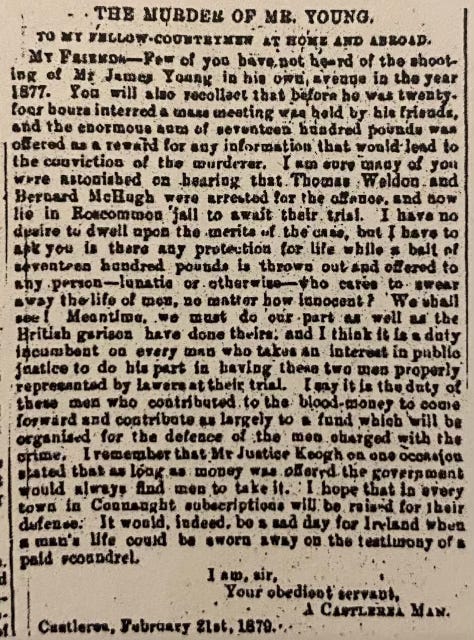
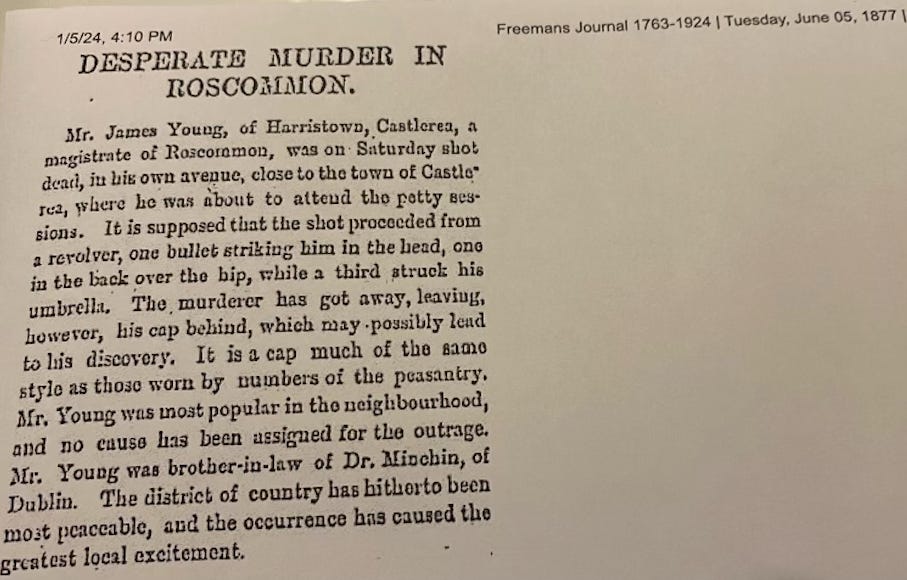
The year was 1867 and the British ruled over Ireland with the Royal Irish Constabulary. They were a police force set up in 1822, comprising Irish and British officers under Crown rule. One of the officers of Castlerea was James Minor Young, who lived at Harristown House (today a prison in Ireland). He ran afoul of the Fenians (known as the Irish Republican Brotherhood in the US) because he was “putting up rents and stuff like that,” as Jimmy Flynn put it. After trying to take Jimmy Young to court, the RIC officer refused to show up for trial. So, the Fenians decided to take matters into their own hands by drawing straws to determine who had to do the job of taking Jimmy Young out. A group of Fenians thus met down at the old spot by the river.
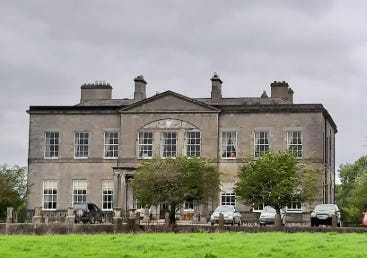
A lad by the name of McHugh drew the short stick. However, there was a spy amongst the Fenians who was working undercover for the RIC. (Jimmy Flynn believes it was a man named Caney or Kenny.) McHugh found out about the spy, so he offered Jack Stretch 5 pounds in secret to take out Jimmy Young. 5 pounds at the time of 1867 was a decent chunk of money, “enough to buy the best horse in the country,” as Jimmy Flynn put it. Jack Stretch decided to take up McHugh’s offer.
Every morning, it was known that Jimmy Young would walk from the Harristown House to the train station to get the newspaper. Since the American Civil War ended in 1867, millions of excess guns were produced, and many were smuggled into Ireland at the time. Jack Stretch got up early that morning, went into town with sacks of potatoes for the market, and was armed with one of the Colt Revolvers that had been smuggled in. He left his donkey with his cart full of potatoes at the market square and waited beside the road Jimmy Young would take on his route for his newspaper. Stretch shot and killed Young. He then returned to the market square, sold his potatoes, and calmly walked home with his donkey.
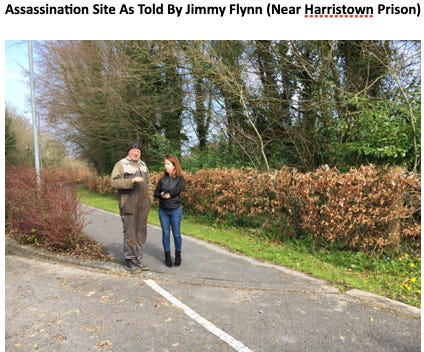
Once people saw that Jimmy Young was killed, there was a ton of commotion. The authorities of the Royal Irish Constabulary assumed the assailant killed Young and then hopped on the next train. The other conclusion that the Royal Irish Constabulary jumped to was that McHugh had assassinated Young because of the spy down by the river. However, McHugh made sure to be present at Malarkey’s Pub that morning. (Jimmy Flynn added that it’s now Josephine’s Dress Shop.) Malarkey’s Pub at the time was a known drinking establishment and hangout for the Irish Royal Constabulary. McHugh was drinking and buying drinks for the IRC at the time of Young’s death, so he had a mighty strong alibi.
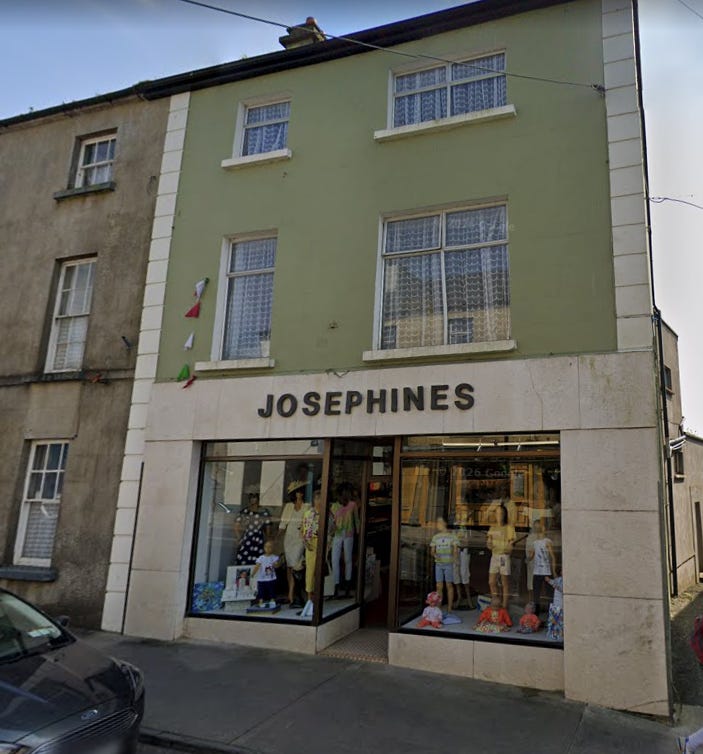
The IRC brought McHugh to court 3 times, even to courts in Belfast. There were false testimonials that claimed McHugh had done the killing and then rode away on horseback or train, but his Malarkey Pub drinking alibi held up even in British courts at this time. McHugh was ultimately acquitted because his IRC fellow drinkers had to swear that they were with him under oath. The Kenny (or Caney), whom the Fenians figured out was the spy, tried to escape Ireland but was tracked down and killed just 2 years later in the Australian outback.
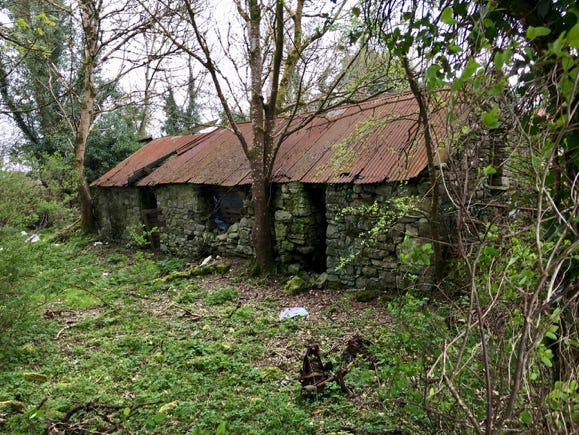
After the incident, Jack Stretch became a real rebel. Knowing that he got away with murder, Stretch decided he was through with paying his rent. Under English Common Law, if your landlord didn’t collect for 14 years, you could live there rent-free, and the land became your property. Well, Jack Stretch didn’t pay for 14 years. The IRC militia, soldiers, and priests arrived at the Stretch residency, assembling outside. Jack Stretch was the only one inside his house as he sent his family away. They shouted to him, “Stretch come out, Stretch come out, or we are going in for you.” He responded to the assembled men, “You may, but the first six men in are dead men.” This was a cue that Stretch was locked and loaded with 6 bullets in his Colt Revolver chamber. Jack Stretch waited it out with the assembled men outside his door, and eventually, they left. Stretch’s home became the only freehold property in the town.
Jimmy Flynn said in those days, the secret society of Fenians was so closed off you wouldn’t even tell your own family. When I was in The Parlour Room, Colleen said her grandmother (or great-grandmother) immigrated to the United States when she was young (1920s or 1930s). Being Irish in those days, she wasn’t the type to talk about family history like this. Colleen mentioned that her grandmother might not have even known all of this about Jack Stretch. This is the type of story that, in those days, could never be written down out of fear that the IRC might have a record of it. When the British gave up control of Ireland in 1922, they tried to destroy so much of their historical records because of all the written documentation about their extensive spy network in Ireland. It would have created even more upheaval and embarrassment.
After hearing about her family story from Jimmy Flynn while on her trip to Ireland, Colleen started doing some more research. The source material that Colleen e-mailed is a very detailed account from Flynn. Anyone who hears about a story like Jack Stretch would be skeptical, but all of it seems to add up. Sounds like a movie.
Imagine Liam Neeson as Jack Stretch?