Stumblin' Along 3/30 '25
Funny Little Feeling

Funny Little Feeling
- Yankees Opening Series
- Teapot Dome Scandal
- YouTube Rabbithole

Alright @YouTheReader,
Today’s tune is Rock ‘N Roll Soldiers’ Funny Little Feeling.
If you grew up playing Play Station 2, you might remember this song from MVP Baseball ‘05. Great soundtrack.
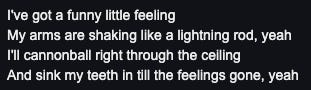
This song was also apparently in the TV Show One Tree Hill, so it’s a fairly deep-cut one-hit wonder from the mid-2000s to a wide-range audience.
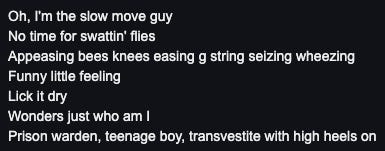
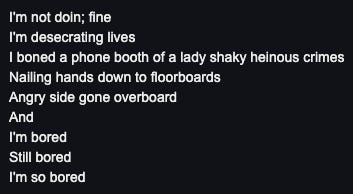
I guess this verse and song is about someone trying to figure out their identity or place in the world. Might as well just move along with the topical White Lotus meme.
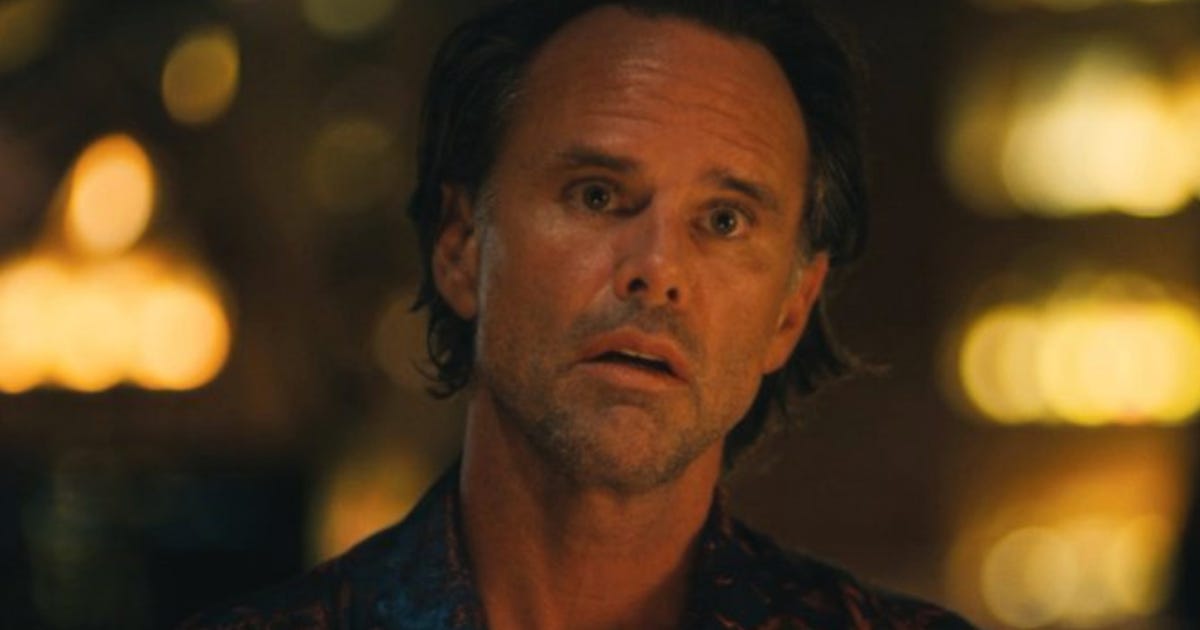
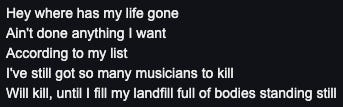
I don’t remember any of these lyrics from my childhood video game in which I spent days on end trying to make the Yankees go 162-0.
Great deep-cut tune, Funny Little Feeling is an MVP Baseball classic.
On to the Yanks…
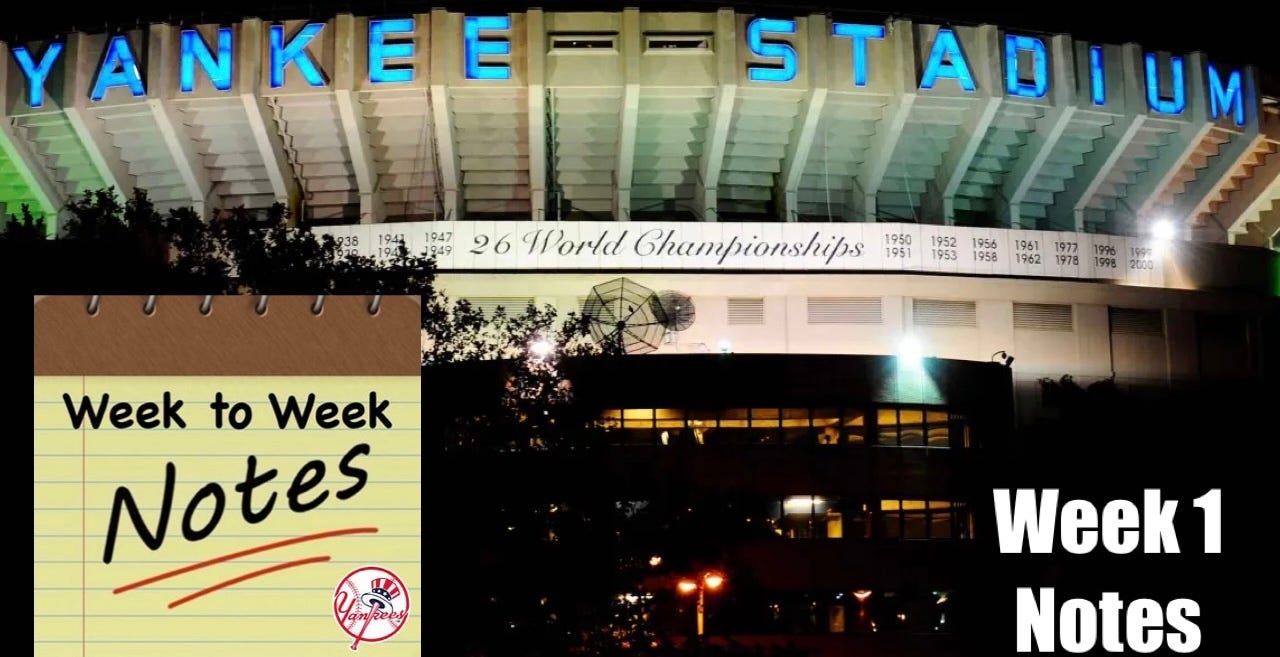
Opening Day (3/27)
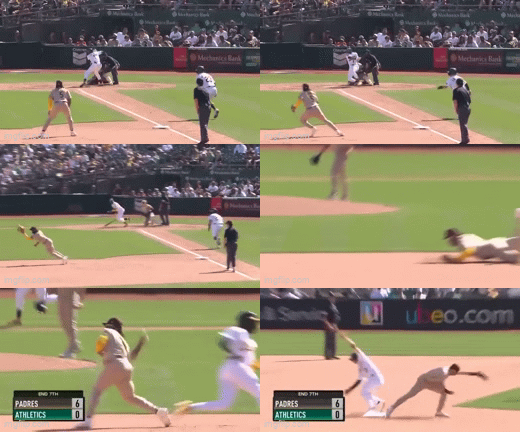
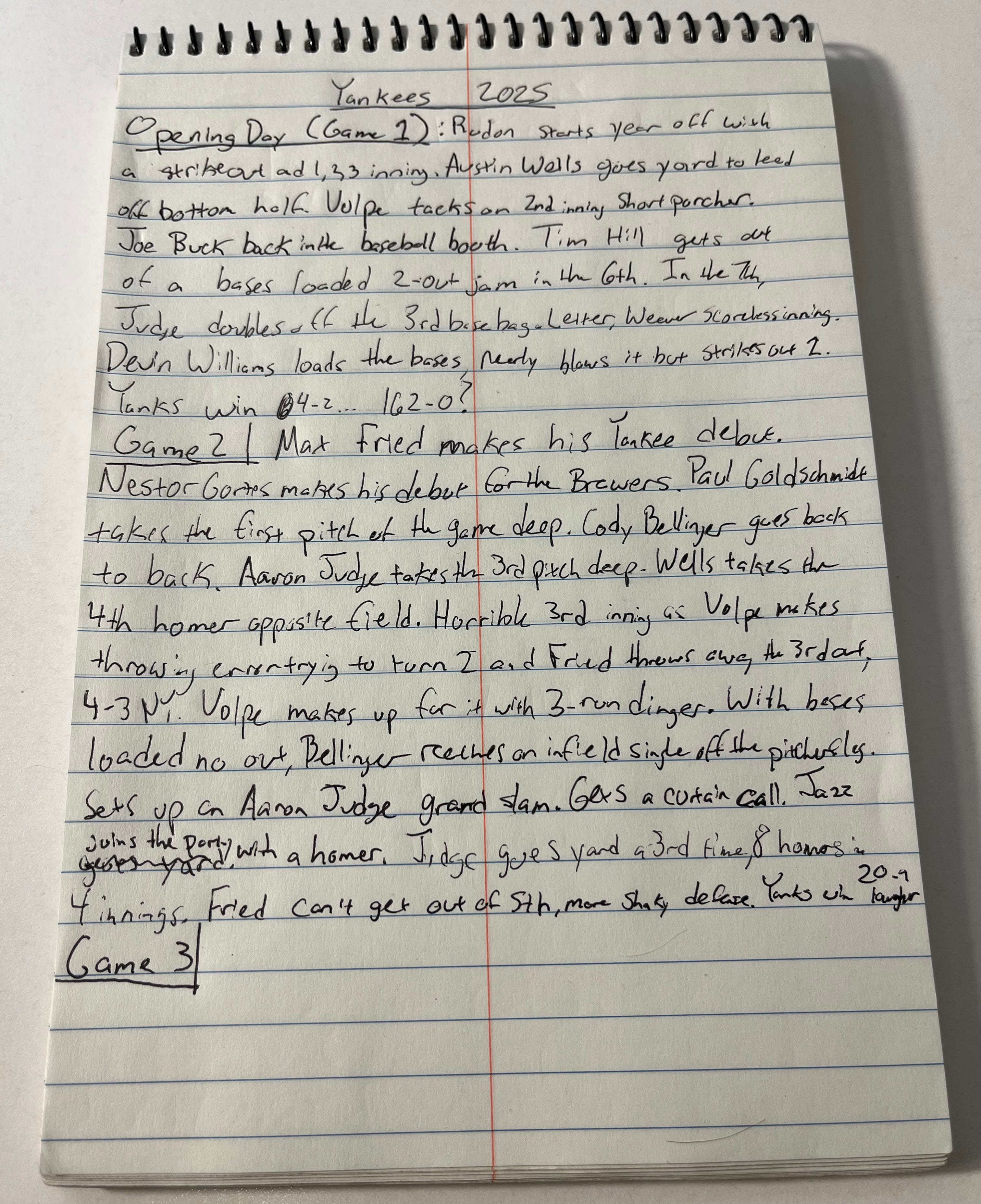
Baseball is back in the Bronx as a bearded Carlos Rodon starts off the year with a strikeout and 1,2,3 inning. Austin Wells goes yard to lead off the bottom of the 1st inning. Anthony Volpe tacks on a 2nd homer of the day in the 2nd inning, porching one to right field as well. Joe Buck is back in the baseball booth calling the game for ESPN. The man gets online hate, but he’s got a big game voice, and it’s an American travesty that he doesn’t call much of America’s Pastime anymore. Rodon pitches into the 6th inning and is relieved by Tim Hill, who gets out of a bases-loaded jam. In the 7th inning, Aaron Judge doubles off the 3rd Base bag. The Yankees set up men Mark Leiter Jr. and Luke Weaver to get the job done by throwing scoreless 7th & 8th innings. New Yankee closer Devin Williams nearly blows the game in the 9th but ends up fanning his last two batters, including Christian Yelich to end it. The Yanks win 4-2.
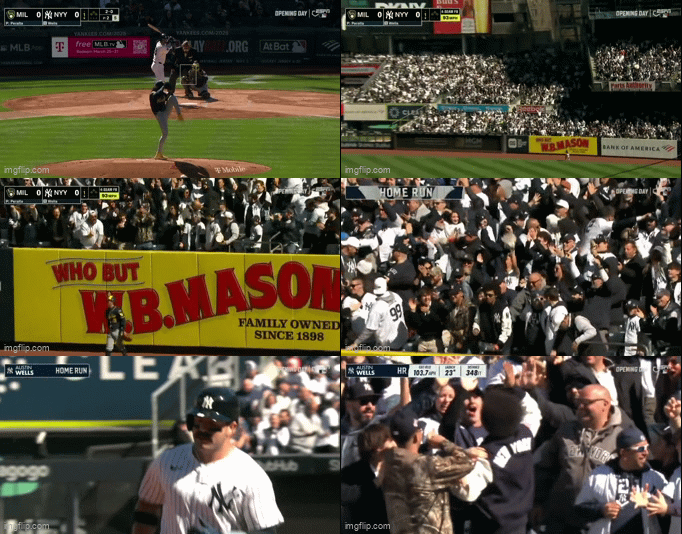
Game 2 (3/29 ‘25)
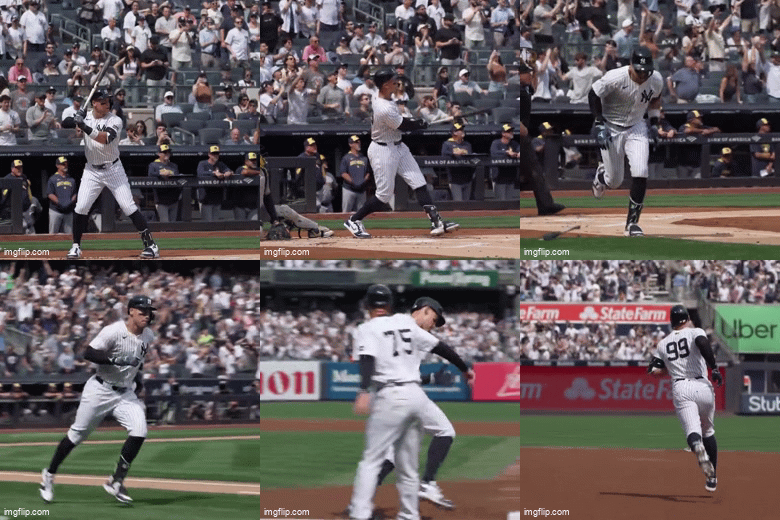
Max Fried makes his Yankees debut as he faces former Yankee Nestor Cortes, who’s making his debut for the Brewers. In the bottom of the 1st, Paul Goldschmidt hits the very first pitch into the visitor’s bullpen. Then Cody Bellinger goes back to back, hitting one over the Yankees bullpen and into the bleachers. On the 3rd pitch of the game, Aaron Judge cracks a moon shot into the stands. Two batters later, Austin Wells hits the 4th home run of the 1st inning, a new franchise record. The Yankees have an awful top half of the 2nd inning defensively as Anthony Volpe dirts one while trying to turn two, and Fried throws one away that would’ve been the 3rd out. 4-3 entering the Bottom of the 2nd, Volpe makes up for his error by hitting a 3-run dinger. The Yanks get another rally going in the 3rd inning as Cody Bellinger beats a bases-loaded infield single off the Brewers pitcher’s leg. This sets up Aaron Judge’s grand slam. The Captain gets a curtain call. Jazz Chisholm joins the party with a big fly of his own. Judge then hits a 3rd home run in 4th inning. All in all, the Bronx Bombers hit 9 home runs on the day, setting a franchise record. The only blemish is Max Fried can’t get out of the 5th inning to record a win thanks to more shaky defense, but who cares? The Yankees win a 20-9 laugher. 162-0?
Move to Make?
Claim Eguy Rosario off waivers.
The San Diego Padres designated the 25-year-old infielder for assignment to begin the season. In his limited time in the Big Leagues of 46 at-bats against lefties, Rosario hit .348 with 5 homers. If the Yankees aren’t comfortable with Oswald Peraza at 3rd, Rosario could be a younger replacement with more upside than Pablo Reyes.
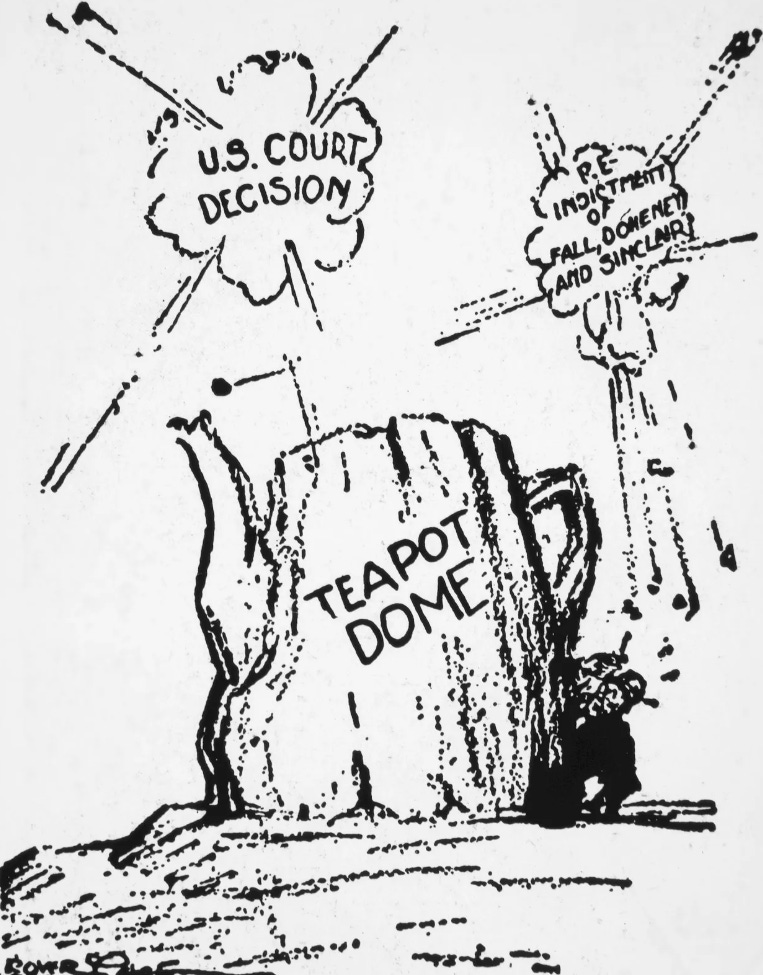
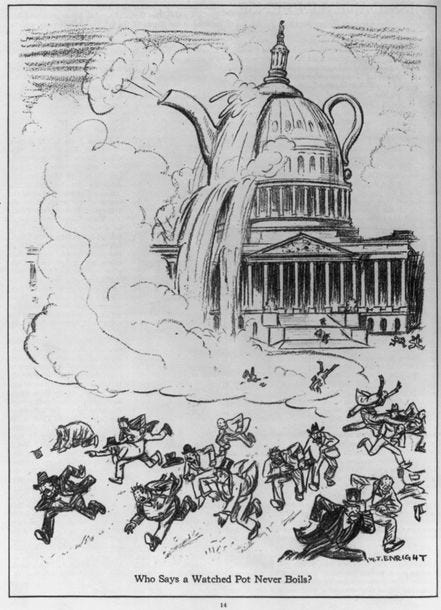
This week’s Stumlin’ Along history bit is on the Teapot Dome Scandal of the 1920s. It was mentioned in Eric Dezenhall’s new history book, “Wiseguys and the White House: Gangsters, Presidents, and the Deals They Made,” which can be listened to on Spotify audiobook.
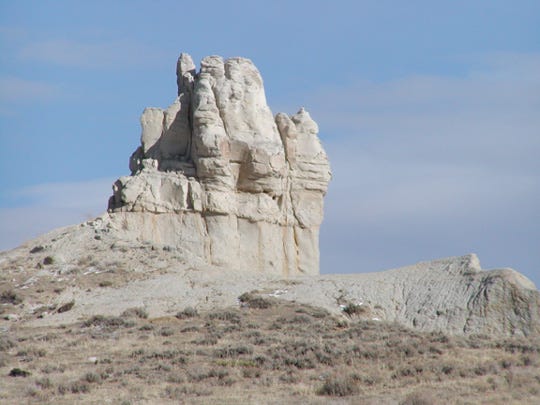
The Teapot Dome Scandal of the Roaring 1920s was the biggest American political scandal of the time. The name of the scandal comes from Wyoming's “Teapot Dome” shaped boulder, located next to oil fields. Under President William Howard Taft’s administration (1909-1913), the US Navy requested that certain oil fields be reserved in case of war or other emergency. Congress agreed with the Navy’s assessment, so they set aside certain federal lands that contained oil for emergency reserves, such as the Teapot Dome in Wyoming and sites in California (Elk Hills & Buena Vista Hills). A wise move at the time, the United States Navy would use these reserves during World War I.
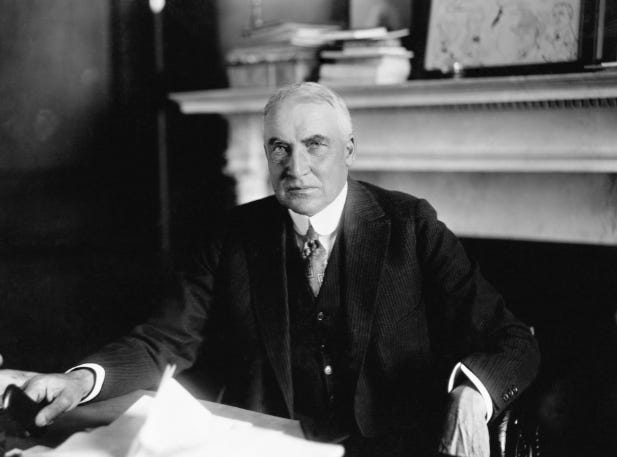
After World War I, Warren G. Harding ran as the Republican candidate in the 1920 Presidential Election. Harding grew up in a small rural town in Ohio called Marion. After graduating from Ohio Central College in the 1880s, Harding didn’t know what he wanted to do, so he took up teaching, selling insurance, and even attempted to study the bar. In 1882, Harding and two of his friends decided to buy The Marion Daily Star. Although the city of Marion and Ohio tended to vote Republican, Marion County leaned Democrat. Thus, Harding branded The Marion Daily Star as nonpartisan and would curry favor with both sides of the aisle, attracting advertisers. After successfully turning around the failed local newspaper, Harding built enough connections in Ohio that nudged him into politics. From 1900 to 1906, Harding was a member of the Ohio Senate and served under the Governor of Ohio before becoming a U.S. Senator from Ohio in 1915.


Obviously, Warren G. Harding would go on to win the 1920 Presidential Election, or I wouldn’t have spent 20 minutes researching and typing up a paragraph on his backstory. Although just a two-term senator, Harding successfully ran what was known as a Front Porch Campaign. He kept things sorta low-key, issuing only short written statements and speeches to supporters from the front porch of his Marion, Ohio home. Warren Harding’s agenda ran directly against the previous sitting President, Woodrow Wilson's handling of World War I. Harding wanted nothing to do with Wilson’s League of Nations, so the US never joined the international organization. While one could argue that US isolationism after WWI contributed to the eventuality of WWII, you could also make the case that the US wasn’t nearly the super power that it would become, and the European powers weren’t going to let the US influence the League of Nations much anyway. While Harding did have some positive, progressive policies, such as federally criminalizing lynching and being pro-women’s suffrage, his legacy would be riddled with scandal, partly thanks to his friends.


Newspaper editor William Allen White famously quoted President Harding as saying, “I have no trouble with my enemies. I can take care of my enemies all right. But my damn friends, my god-damned friends, White, they’re the ones who keep me walking the floor nights.”
President Harding appointed Senator Albert Fall from New Mexico Secretary of the Interior in 1921. Harding and Fall were friends known for their whiskey-filled poker nights mid-Prohibition. One night, Fall convinced Harding to transfer oversight of the oil reserves from the Navy to his Interior Department. 4 months into his term, President Harding issued Executive Order 3474, which authorized Fall to lease out the oil production of the Naval reserves in Wyoming as well as Elk Hills & Buena Vista Hills in California. Once the oil-rich land was out of the Navy’s hands, Fall secretly leased exclusive drilling rights to two of his wealthy friends in the oil industry, Harry Sinclair and Edward Doheny. Without any competitive bidding or public announcement, the three sites, which contained hundreds of millions of dollars in oil, were privatized. All Sinclair and Doheny had to do was set up an oil storage facility in Pearl Harbor and build a pipeline from Wyoming to Kansas City.
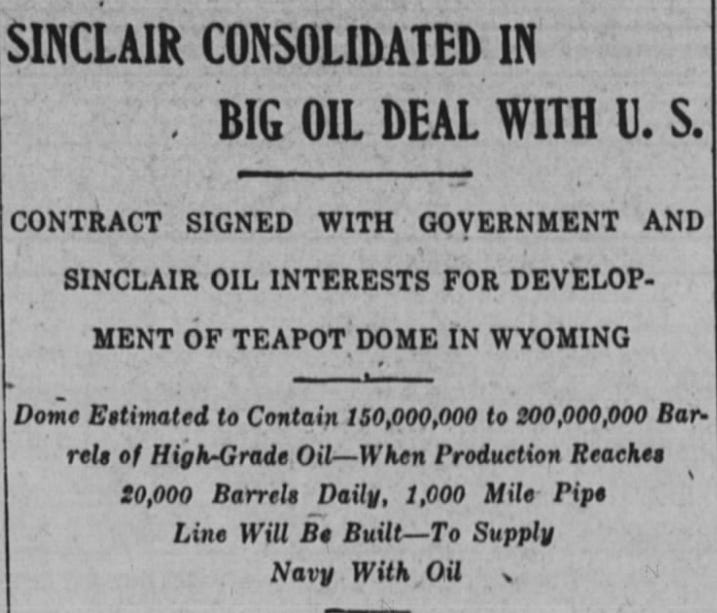
Word didn’t get out about the behind-closed-doors deal until April of 1922. The Wall Street Journal reported on the news after a local Wyoming oilman noticed trucks hauling oil drilling equipment with Sinclair’s logo. On April 15, 1922, Wyoming Democratic Senator John Kendrick established a Senate investigation into the dealings. Other media outlets had already heard murmurs about the Teapot Dome lease because President Harding had to dispatch the US Marines to halt the oil drilling at Teapot Dome from Colonel James G. Darden. The Colonel was also friends with Harding and wanted in on the action before Fall. The confrontation reached The Denver Post, which threatened to publicize the incident and blackmailed Harry Sinclair into paying $1 million. President Harding, worried about receiving bad press in his first year in office, pressured Sinclair to pay up. By January 1923, Albert Fall decided to step down as Interior Secretary and retired to his newly purchased ranch in New Mexico.
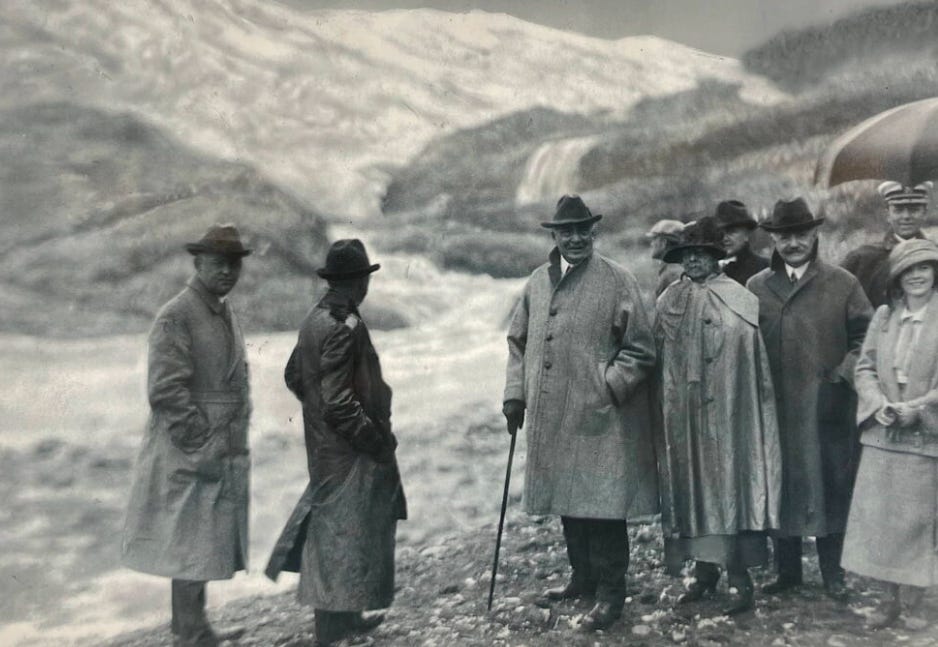
As the criminal probe began, President Harding was on a cross-country Voyage of Understanding tour. He became the first US President to visit Alaska, where he asked his Commerce Secretary, Herbert Hoover, “If you knew of a great scandal in our administration, would you for the good of the country and the party expose it publicly, or would you bury it?”
While Hoover allegedly advised Harding to come forward with the truth, the President decided against it. Harding was not only on the hook for approving Fall’s plan, but just before leaving for Alaska, suspiciously accepted a generous offer for his Marion Daily Star newspaper. The sale was believed to have been orchestrated by Harry Sinclair. Another suspicious sign was the President and the First Lady, Florence Harding, had already been planning an all-expenses-paid cruise around the world with 50 of their friends once Harding’s 4-year presidential term was over. The cruise likely would’ve taken place on Harry Sinclair’s luxury yacht. Unfortunately for Harding, he never made it to his post-presidency days as he passed away from a heart attack at age 57. The stress from the Teapot Dome Scandal and his trip to Alaska just a few weeks prior likely contributed to his death.
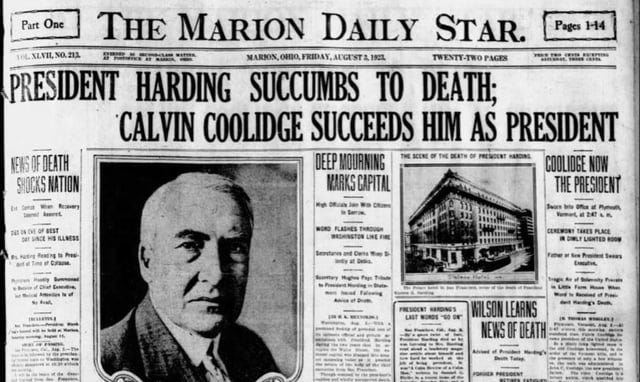
On August 2, 1923, Vice President Calvin Coolidge assumed the Presidential Office. The 30th President of the US appointed two special prosecutors, one Democrat and one Republican, to take over the Senate investigations into Albert Fall’s oil deals. Almost immediately, it was found that Fall received a $100,000 interest-free “loan” from Edward Doheny, which is how Fall purchased his brand new New Mexico ranch. The purchase was a major red flag because Fall had previously owed up to a decade’s worth of taxes on his other New Mexico ranch. Doheny admitted to making 5 separate payments of $20,000 in black bags. The black bags of cash were dropped off by Doheny’s son, Ned, and Ned’s friend, Hugh Plunkett. Albert Fall also received other suspicious payments from Harry Sinclair. For instance, Sinclair gifted Fall a large herd of livestock and transferred over $300,000 to Fall’s son-in-law. While these were very expensive sums of money in the 1920s, it was only a fraction of the profits that Sinclair and Doheny were making off the oil leases.
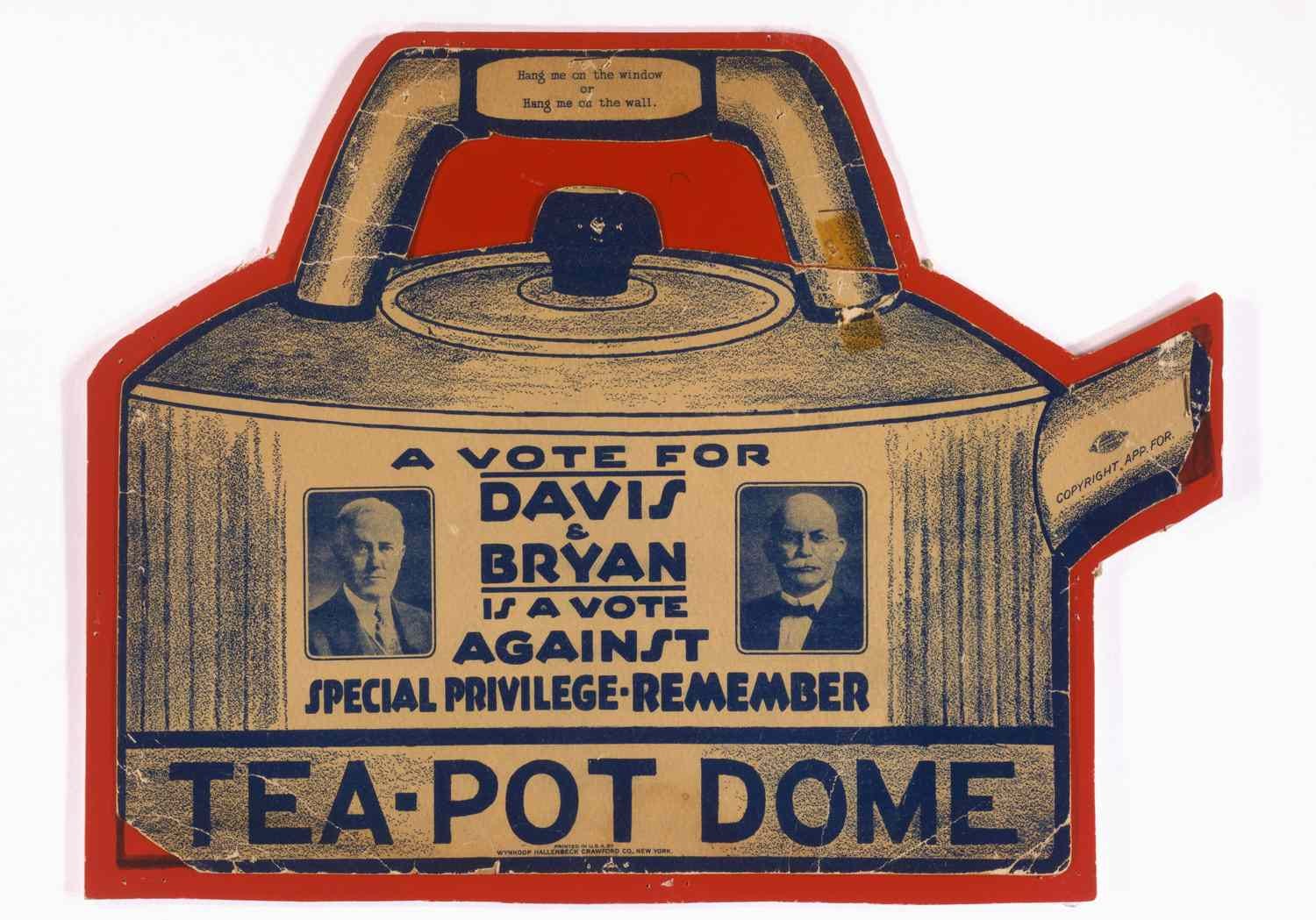
Despite the Republican Party dealing with the Teapot Dome Scandal, President Calvin Coolidge won the 1924 Presidential Election in a landslide over JW Davis (no relation, in case you’re wondering). Coolidge was able to distance himself from the scandal and made the right call with special prosecution appointments. In the fall of 1929, Albert Fall was convicted of accepting a bribe from Edward Doheny. He was fined $100,000 and became the first former cabinet officer to be sentenced to prison, where he served for one year. Albert Fall - total fall guy.
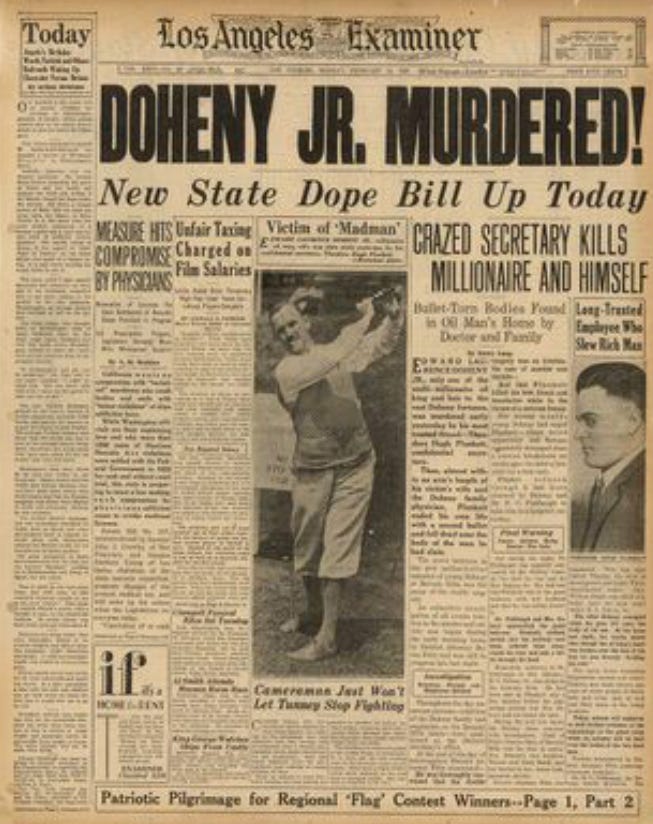
Legally speaking, Edward Doheny got off scot-free for his dealings with Albert Fall because the agreement was considered a “loan.” That said, Doheny paid a much greater price as his son, Ned, was murdered in the family’s Beverly Hills Mansion in February of 1929. Known as the Greystone Murder-Suicide, an investigation concluded that Ned Doheny’s friend, Hugh Plunkett, was worried that he would be charged for delivering the black bags of cash to Albert Fall. As for Harry Sinclair, he wasn’t as forthright with the Senate’s inquiries as Doheny had been. Sinclair refused to answer questions, stating that Congress had no right to probe him on his private affairs. By refusing to answer their questions, Sinclair eventually wound up in the Supreme Court. The 1929 Sinclair vs. United States ruled that Congress could fully investigate cases where the country’s laws may have been violated. Harry Sinclair would serve six months in prison for contempt of Congress and attempting to tamper with the jury.