Stumblin' Along 2/2 '25
Chateau

Chateau
- Flatiron Building
- YouTube Rabbithole

Alright @YouTheReader,
Today’s tune is Chateau (Arty Remix) by Angus & Julia Stone. The Australian folk and indie pop group are siblings. I’m still processing the Luka Doncic trade to the Lakers and need an easy-listen song for this Sunday.

A Chateau is a French country house or castle. Chateau Marmont is apparently a famous Hotel in LA. Never been.

The Flatiron Building ain’t French, but judging by it’s exterior it seems to have French tendencies. I reckon it’s the closest Chateau we have in The City.
Nice tune. On to some history about…
The Flatiron Building
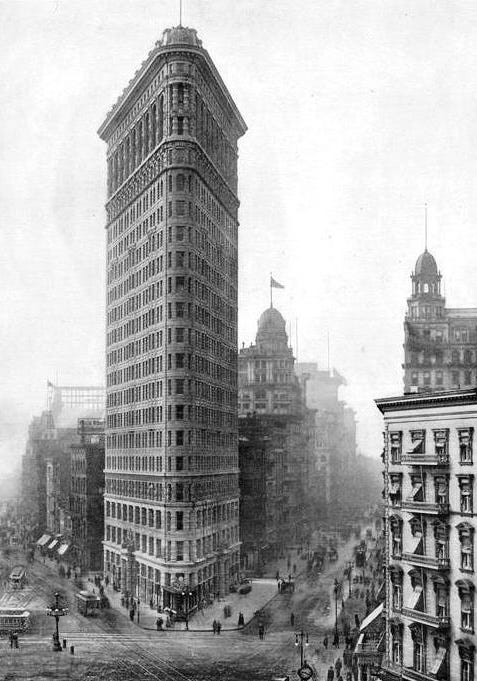
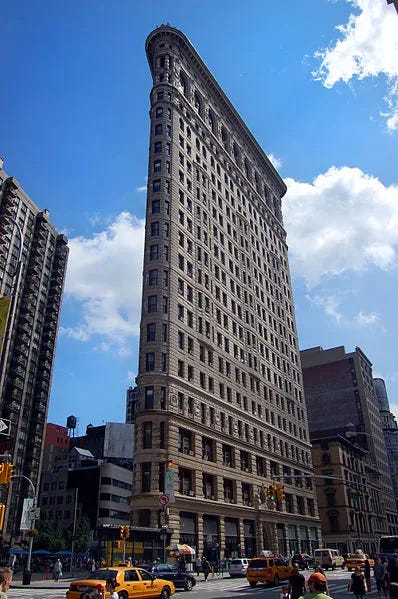
Located on 5th Avenue, across the street from Madison Square Park, The Flatiron Building is one of The City’s most iconic buildings. The triangular property had been known in the neighborhood as a Flat Iron like the cast-iron clothing iron before the building was even built. In fact, The New York Times in November of 1900 stated, “Owing to the peculiar shape of the ‘Flatiron,’ the erection of a very tall building has always been regarded as something of an architectural problem, and it is said that the structure now projected will probably not be over twelve stories in height.” The owners of the lot were Samuel and Mott Newhouse, who had just bought the property in 1899. The Newhouse Brothers made its fortunate mining magnates out West. After owning the Flat Iron property for 2 years, they decided to flip it by selling the land to George A. Fuller Company for $2 million ($75,144,047.62 today, according to my calculations).
(Source: Architectural Digest)
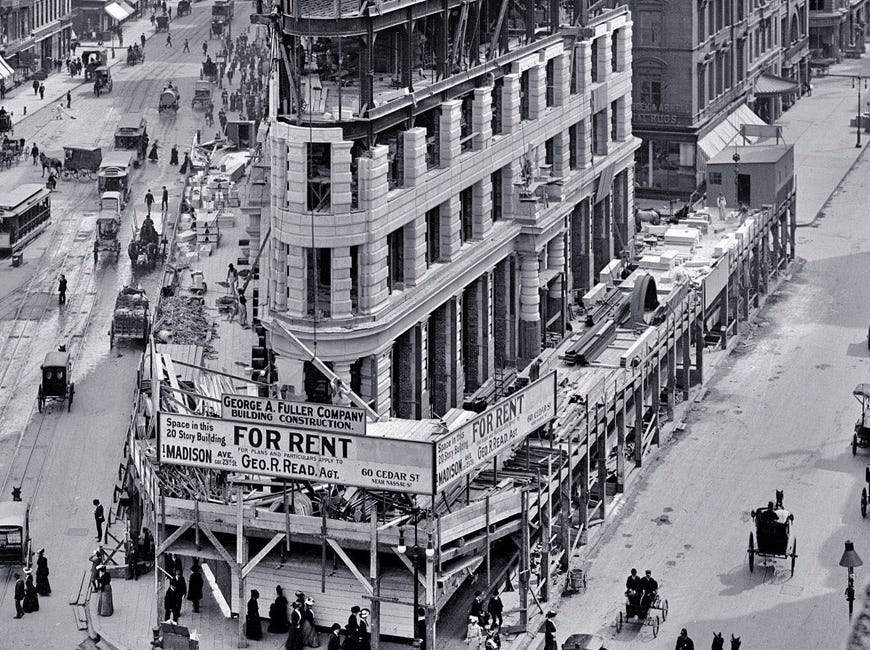
George A. Fuller himself founded the George A. Fuller Company in Chicago in the 1880s. He really thought hard about a creative name for his business. Fuller had a son-in-law named Harry S. Black, who took over the family business in New York City. The original plans for the building were for it to be office space for Fuller Company, which is why the original name of The Flatiron Building was Fuller Building.
(Source: Geographic Guide)


Harry S. Black handpicked Daniel Burnham to be the architect behind the Fuller Building. Burnham was New York-born but had made a name for himself in with buildings in Chicago. A huge fan of the Beaux-Arts Classicist architecture, Burnham wanted to put some French and Italian Renaissance influence into his project. Despite the iconic design, Black and Burnham faced much skepticism, with critics referring to the construction site as “Burnham’s Folly.” It was believed that the triangular building would potentially cause dangerous wind tunnel effects and would be a nightmare for possible fires. Burnham put together wind-bracing systems to counter the Department of Buildings argument, and his plans were to equip fire escapes. Once the DOB heard about fire escapes, they dropped the safety requirements, and allowed the construction to take place.
(Source: History)
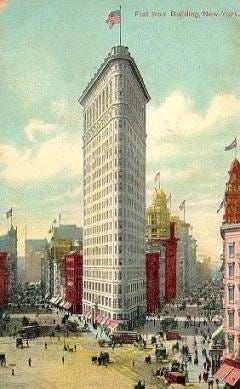
Completed in 1902, the Fuller Building stood 285 feet tall and 22 stories high, nearly twice the size that The New York Times projected it would be. Each story took about a week to complete. While it wasn’t the biggest building in New York City (3rd at the time), the new building quickly became a major hit, especially for postcards. Although it was originally named Fuller Building, New Yorkers had none of it and nicknamed it Flatiron Building, which stuck. It remained the headquarters of Fuller Company in New York until 1929, when they moved out because of operating costs during The Great Depression. Various other tenants moved into the office space, such as a few boring Life Insurance Companies. The only cool tenant worth mentioning is Baseball Magazine, who rented office space there beginning in the 1940s.
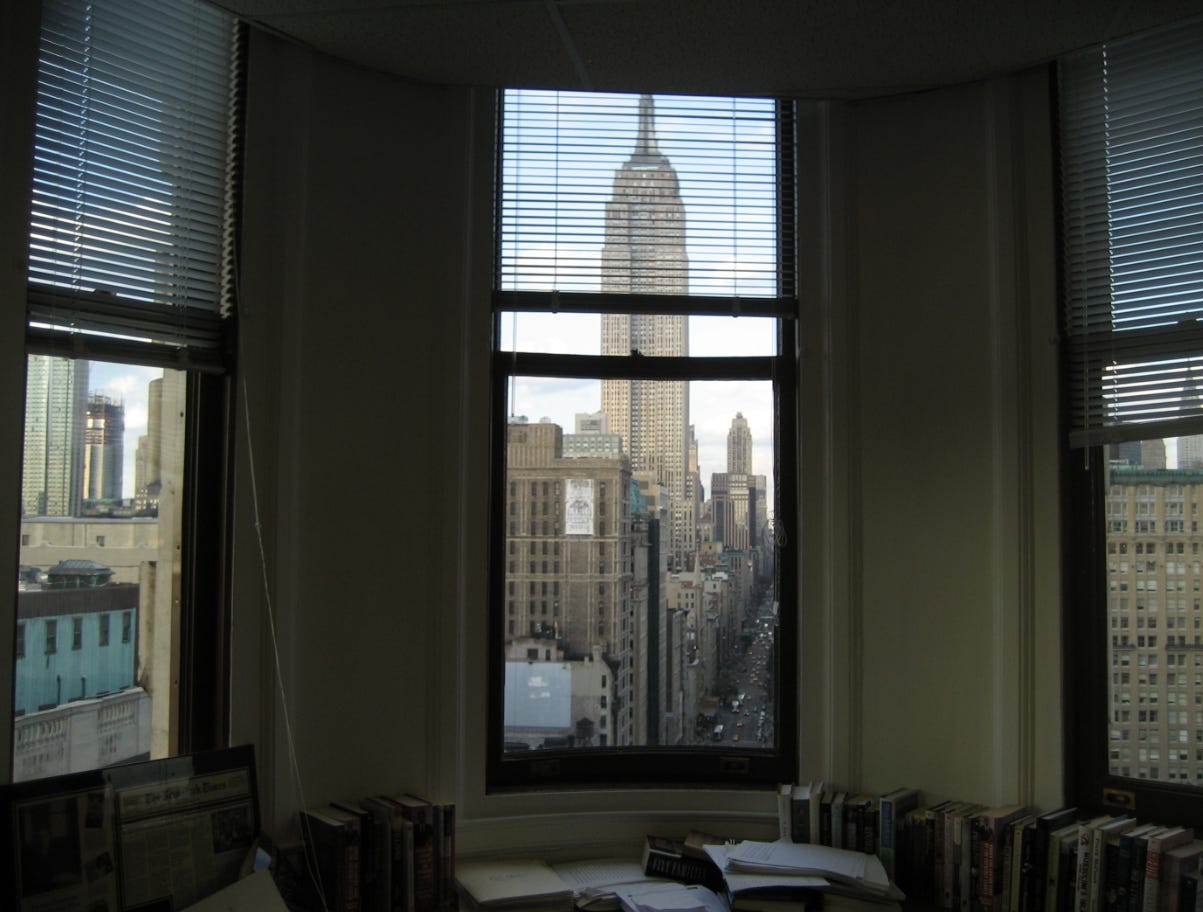
For over 120 years, The Flatiron Building was primarily used for offices. One of their longest tenants was the publishing house, Macmillan. The president of MacMillan, Thomas McCormick, said of the building's unique shape, “It’s the only office I know of where you can stand in one place and see the East River, the Hudson, and Central Park without moving. I find that our authors are fascinated by this extraordinary building.” It also has a great view of the Empire State Building from its “point office.” Once Macmillan moved out in 2019, much of the office space became empty. In 2023, the owners of The Flatiron Building announced they would convert the offices into luxury housing. By 2026, they have plans to make 60 condos inside the building, and you can imagine these will be a pretty penny. Despite all the changes in the interior, The Flatiron Building will have limited exterior work done because it was designated a New York City Landmark in 1966.
Now to something completely different…
Irish Rugby
Ireland vs. England Recap
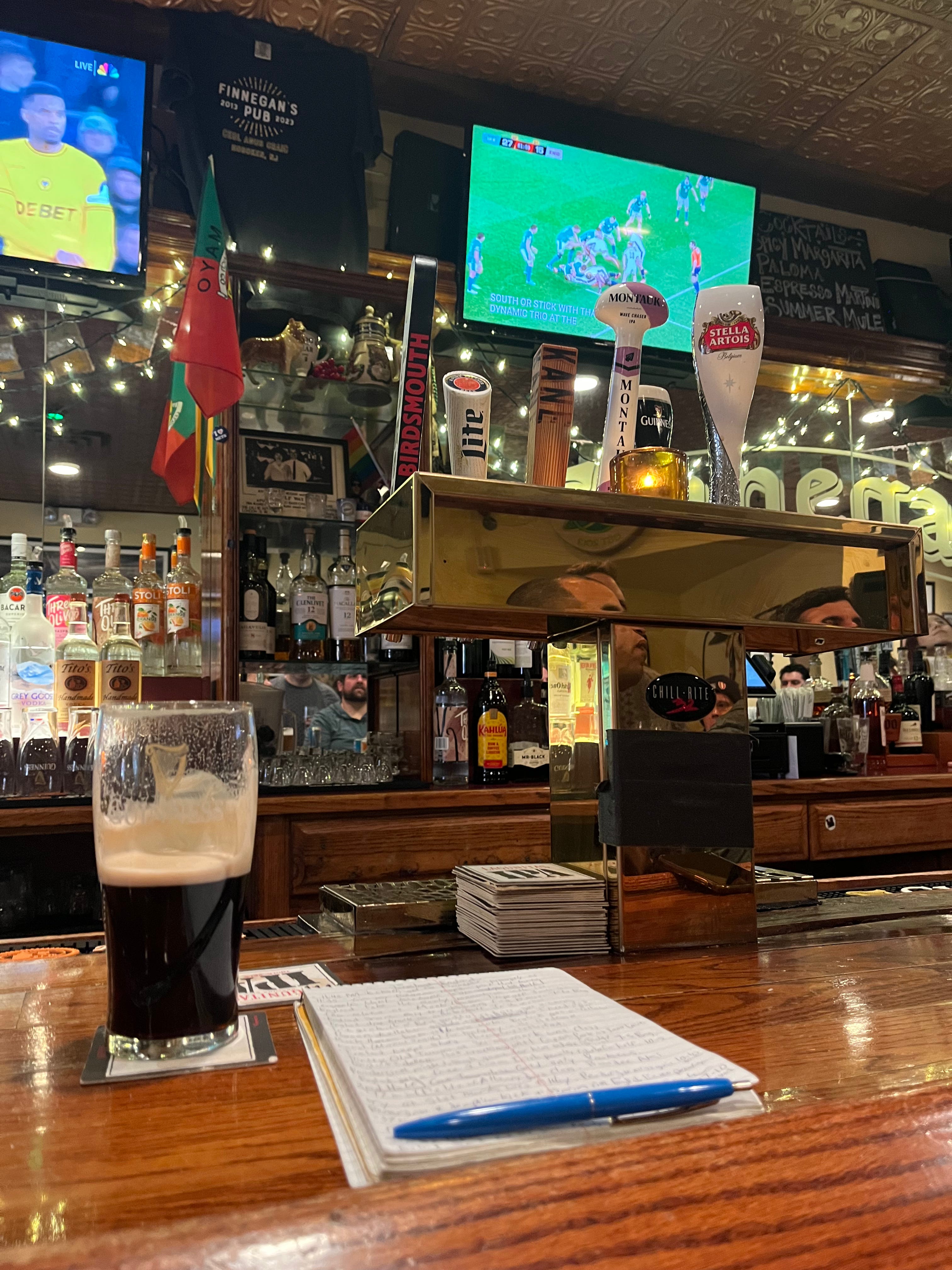
Pregame
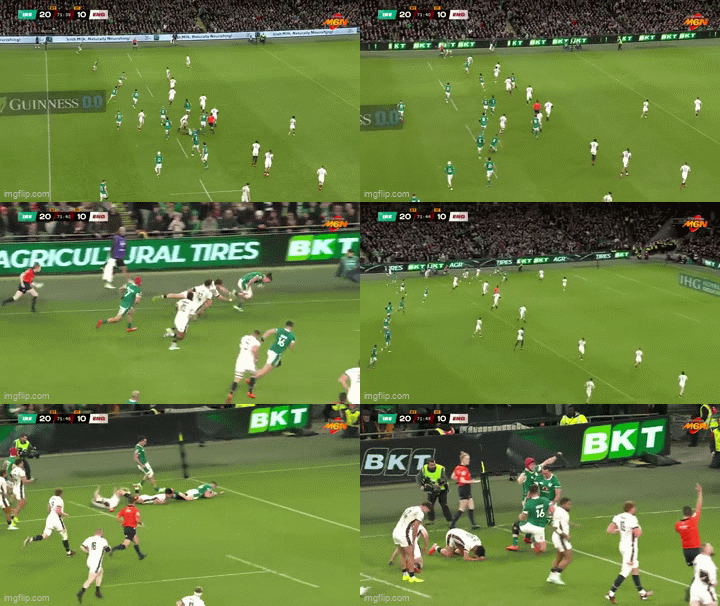
- 11:45 AM kickoff. I was promptly seated at Finnegan’s at 11:38 AM for my proper pregame pint. I had the whole bar to myself for about 5 minutes; then more showed up at kickoff. (Failed at splitting the G.)
1st Half
- England has the early momentum in the first few minutes as Mack Hanson limps off at the 3-minute mark. The English score first on a try from Caden Murley. 7-0 ENG
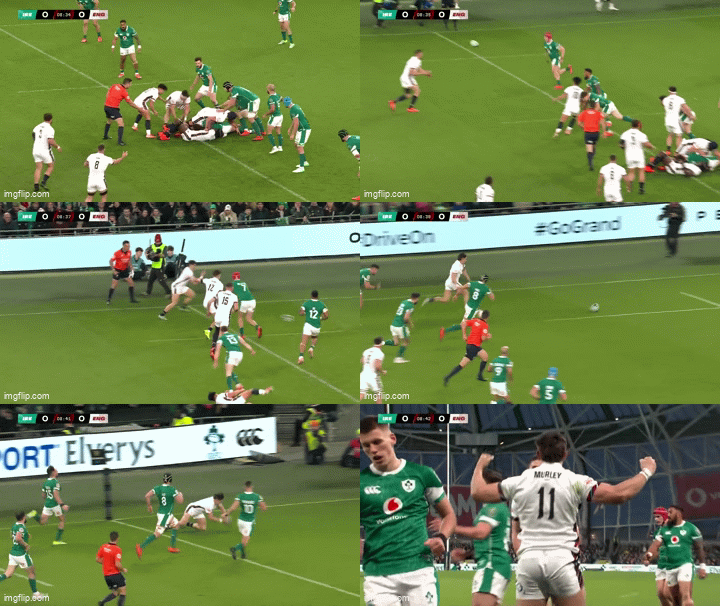
- The English lose a bit of momentum as they drop the ensuing kickoff, causing a knock forward. Irish scrum in the British half leads to a promising possession until Ronan Kelleher’s score gets disallowed on an Irish penalty. I need a 2nd pint of Guinness. (Failed at splitting the G.)
- At the 16-minute mark, Mack Hanson is back on the pitch, and England gets a Yellow Card because of Marcus Smith’s tomfoolery in the Redzone; however, Ireland continues to shoot themselves in the foot.
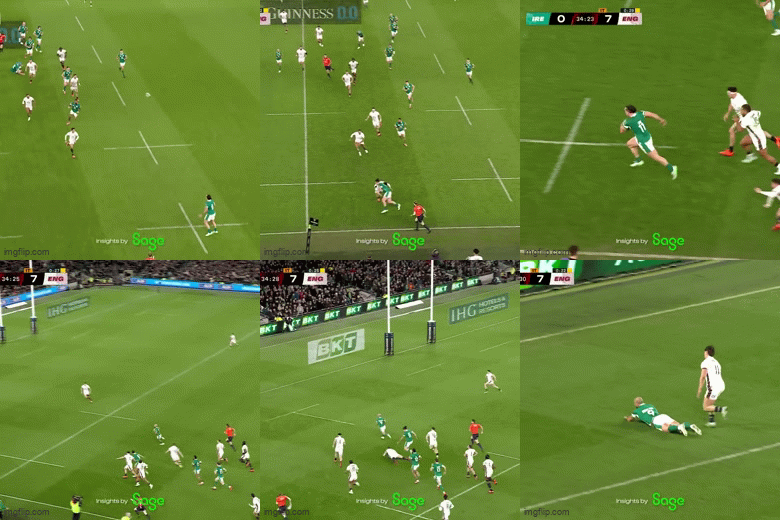
- Dirty Old Town blares over the music speakers, class. England’s defense doesn’t crack until one helluva run by James Lowe, who finds Jamison Gibson-Park for a try. Sam Prendergast misses the conversion. 7-5 ENG
- Right before the half, England gets a free 3 from an Irish penalty. 10-5 ENG
Halftime


- No big deal, absolutely nailed Immaculate Grid with only Yankees.
2nd Half
- At the 47th-minute mark, the Dublin crowd sings Fields of Athenry. Bundee Aki rewards the Irish faithful with a filthy pylon try. Prendergast misses his 2nd conversion. Where the hell is Crowley??? 10-10 tie
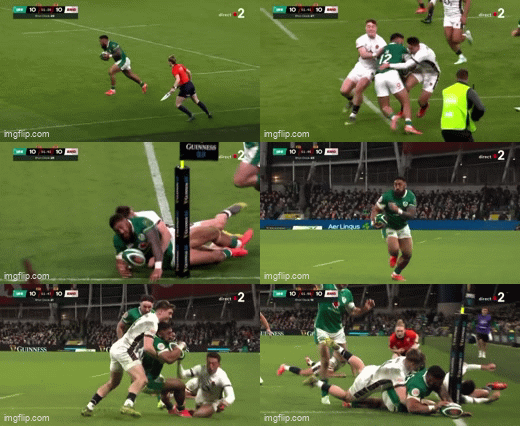
- Pendergast has a bit of redemption when he hits a free kick to make it 13-10 after the English commit a penalty on a lineout. What’s that I hear? Linger by The Cranberries at the 57th mark, I’m now on my 4th pint. (I didn’t split the last 2 Gs either.)
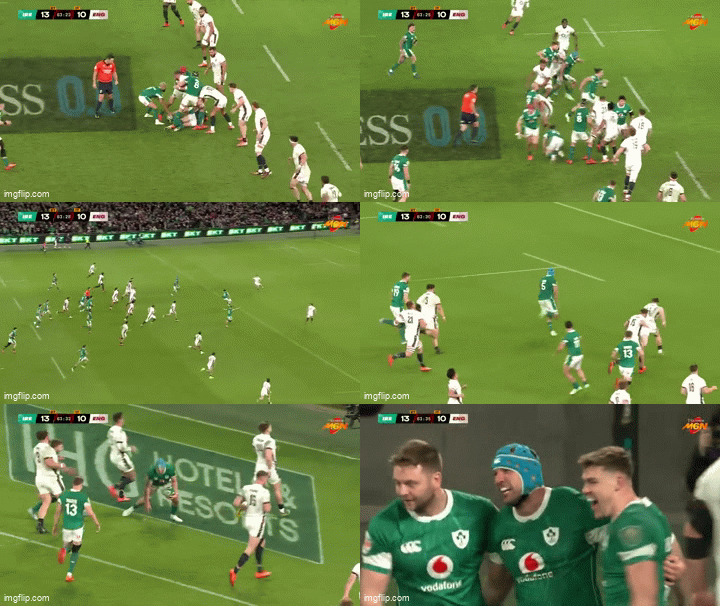
- James Lowe makes another nice run out of nowhere as he assists Tadhg Beirne for a try. 20-10 IRE