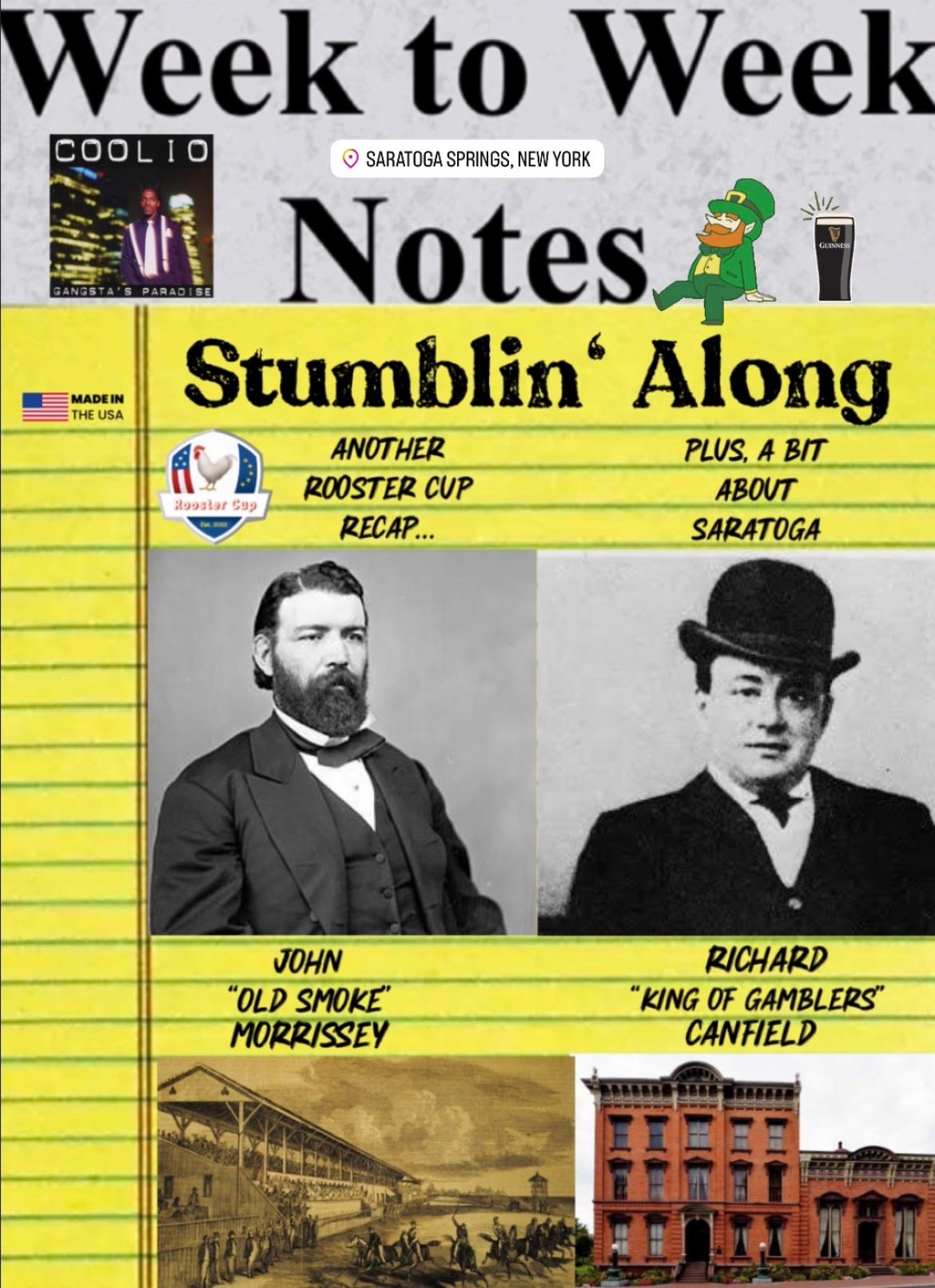
Stumblin' Along 1/4 '26
Gangsta's Paradise

Gangsta’s Paradise
- Rooster Cup Recap
- A bit about Saratoga
- YouTube Rabbithole
Alright @YouTheReader,
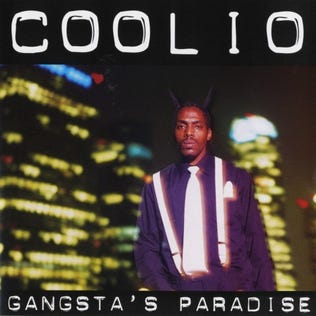
Today’s tune is Coolio’s Gangsta’s Paradise.
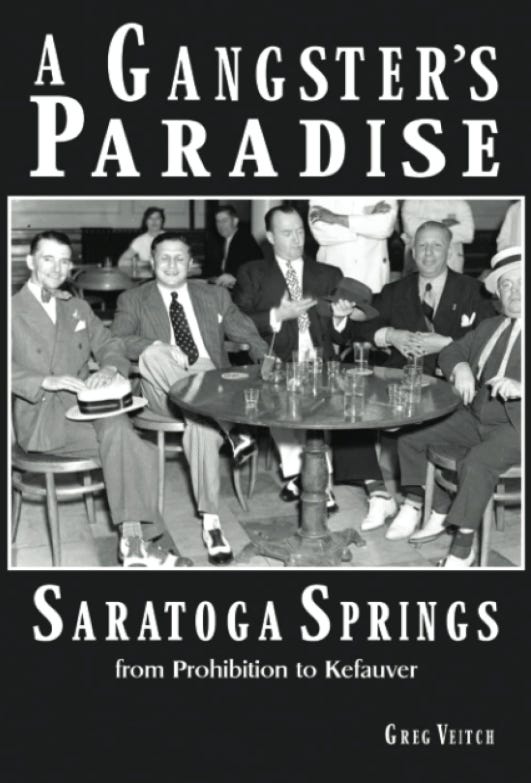
There’s a book written about Saratoga Springs by Greg Veitch called “A Gangster’s Paradise”, so I figured the song fit.
On to the Rooster Cup and history…
Rooster Cup ‘25 Recap
Last September, the 2025 Rooster Cup Golf Championship in Saratoga was under-reported. Here’s an update with more details on the golf event.
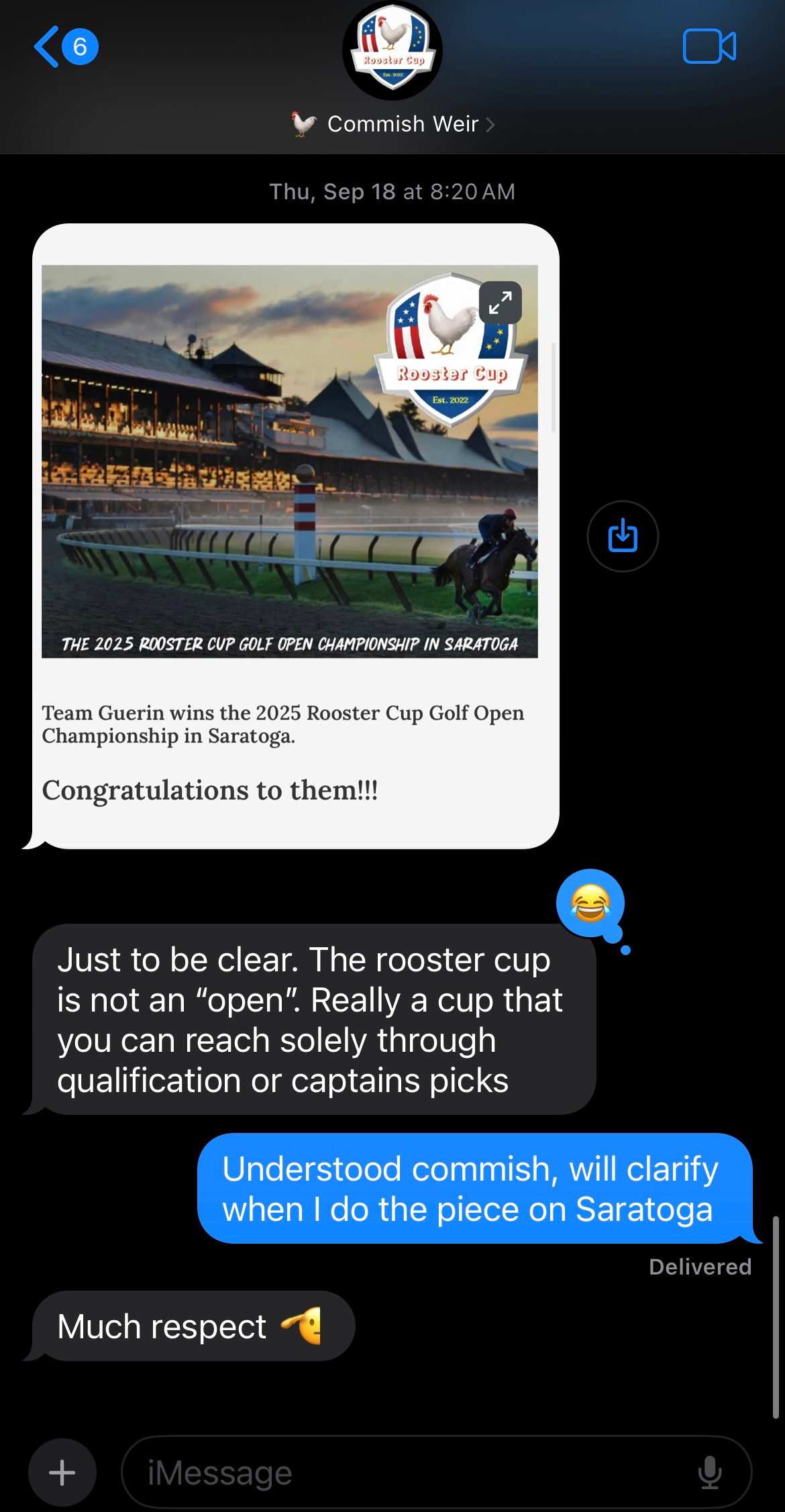
Saratoga Scenery


Rooster Cup Commish did an excellent job picking out the courses. We played Day 1 at Eagle Crest. The Day 2 doubleheader at Saratoga Spa and Saratoga Lake. Day 3’s final round was held at Saratoga National.
Here were the scouting reports I made for the first two courses…


Rooster Cup ‘25 Results
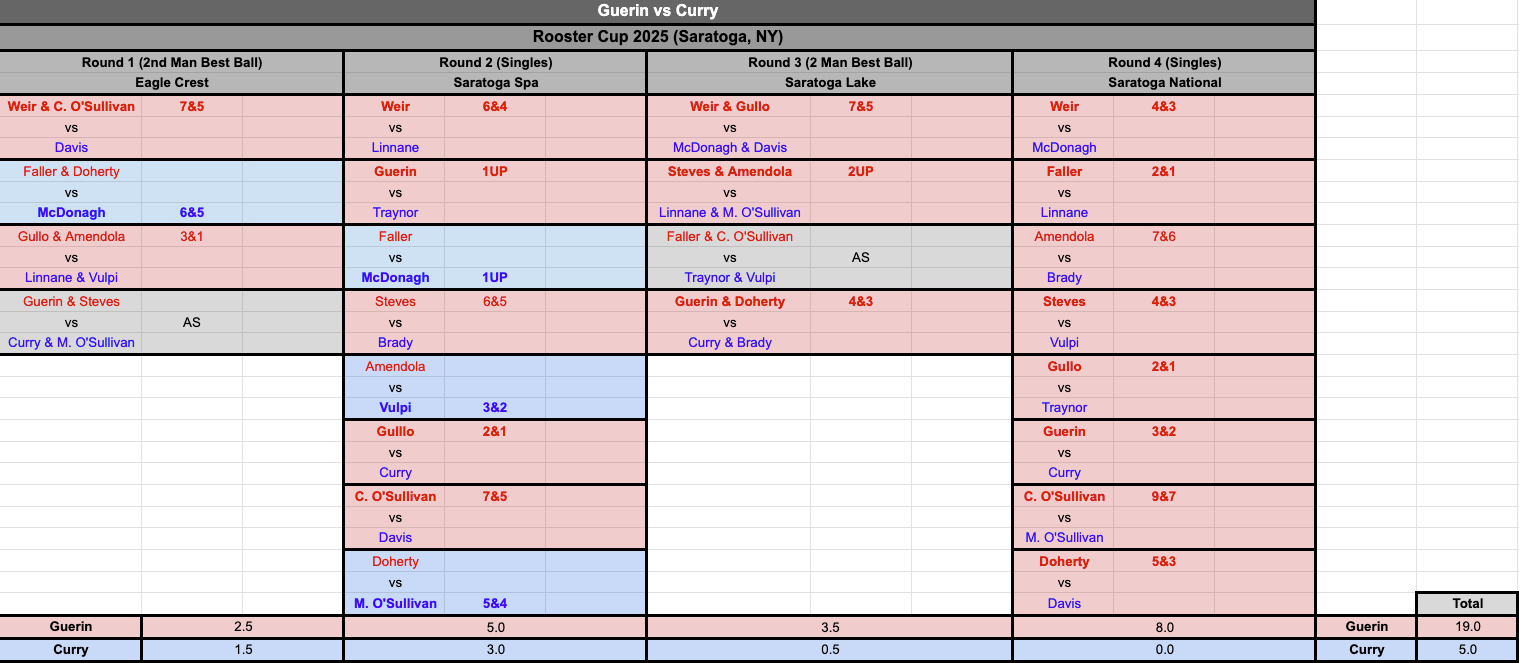
A bloodbath of epic proportions. Team Curry refused even to do any post-game interview out of disgust.
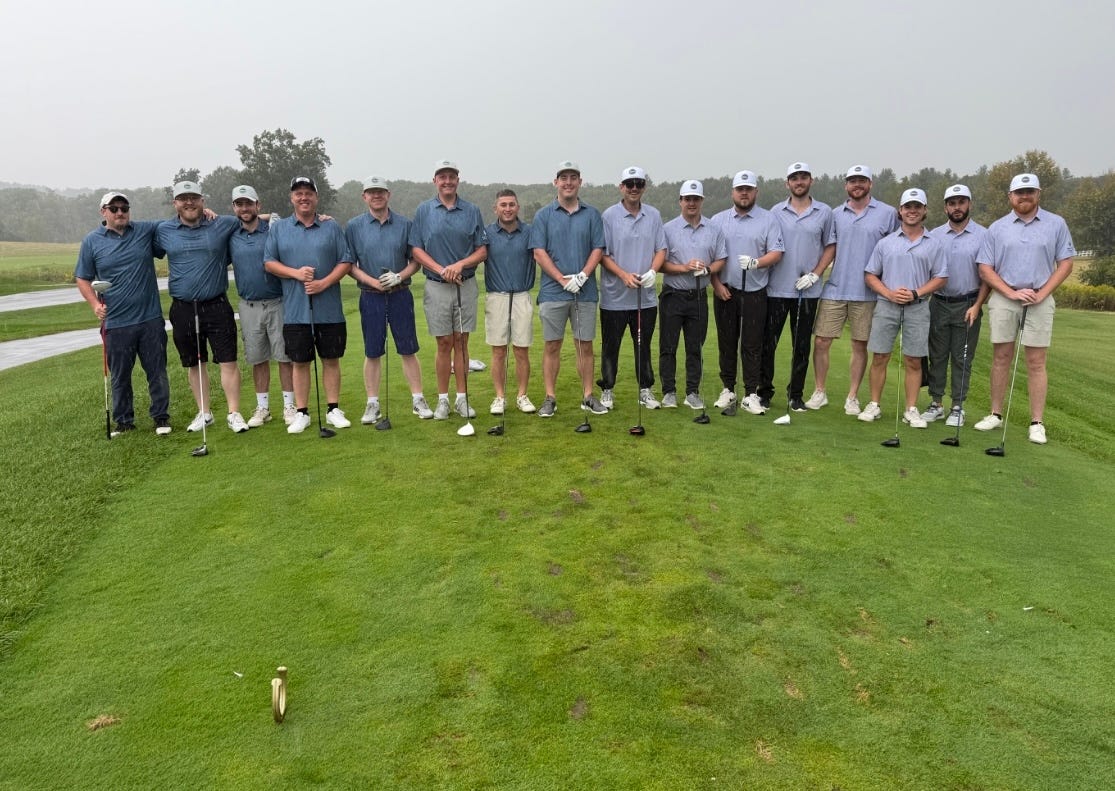
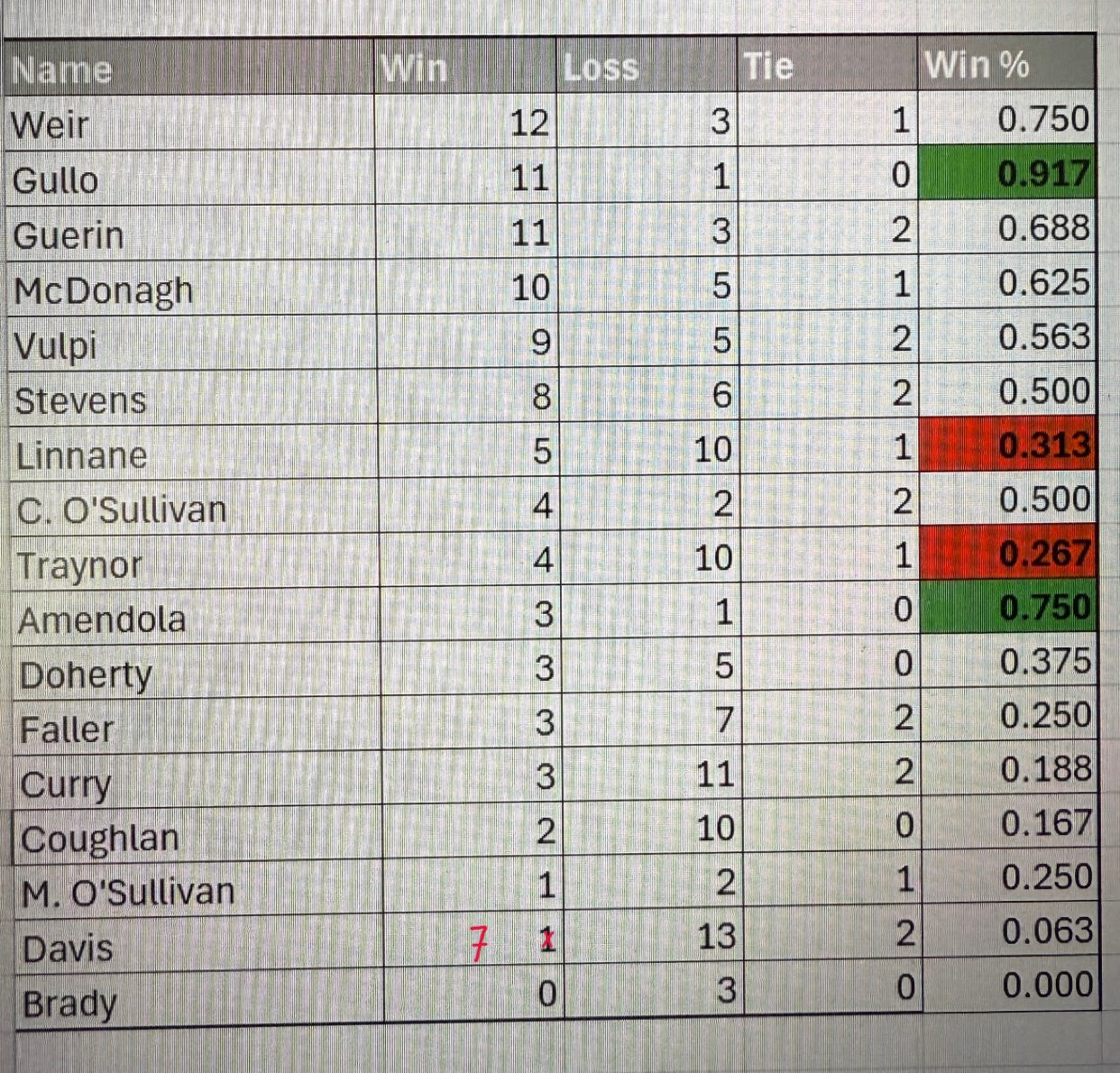
Rooster Cup Match Play Career Stats
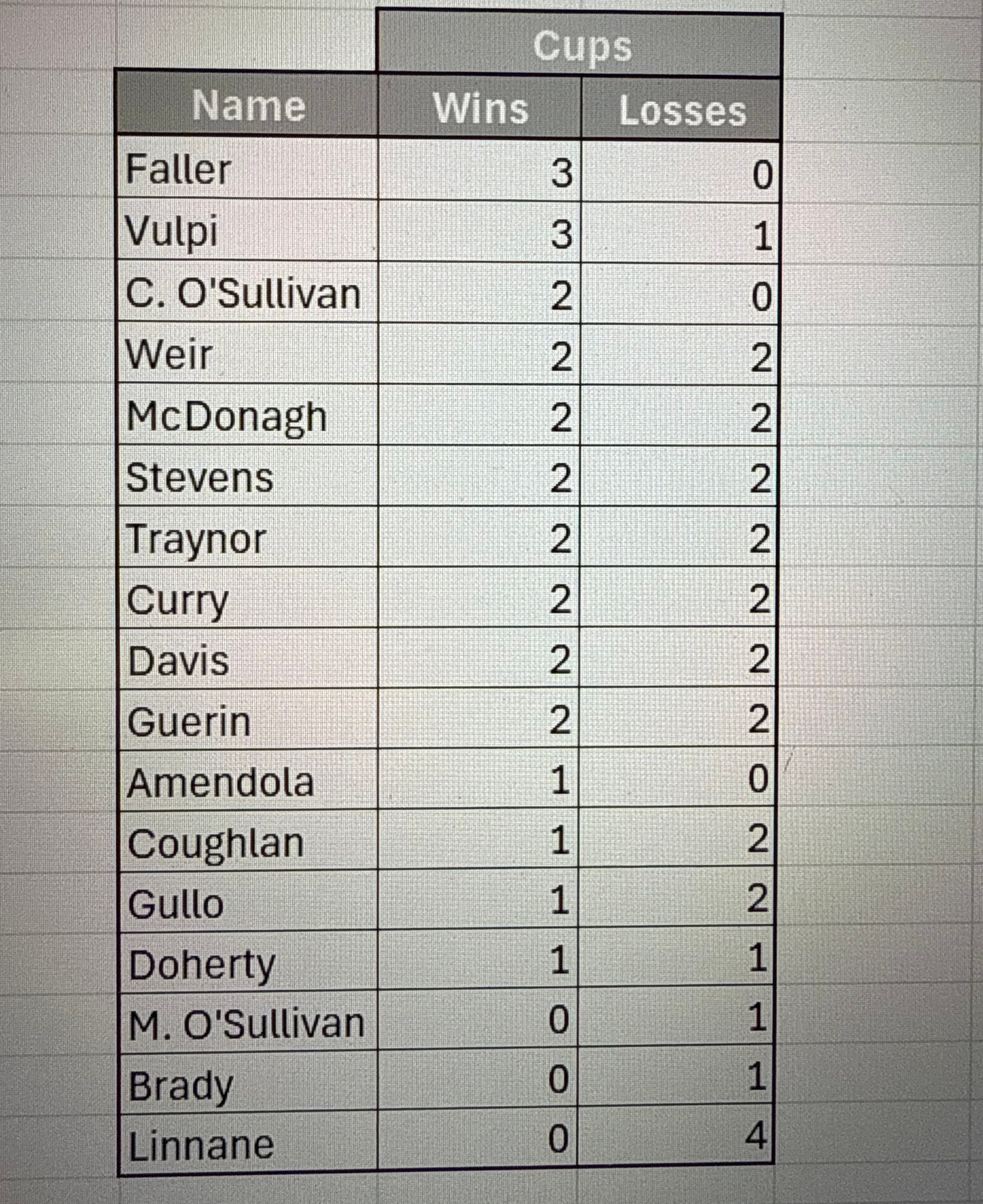
Rooster Cup Championships Record
On to…
A bit about Saratoga
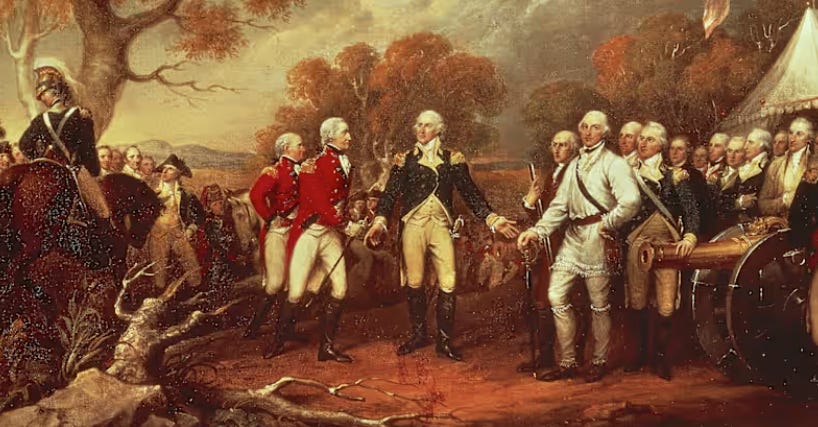
Way back in the day, there was a war between Red Coats and Yankees. Saratoga Springs, which to the Mohawk Indians meant “on your heel” in reference to mineral springs, was the home to multiple battles. On the American side, one of the biggest heroes of the Battle of Saratoga was, oddly enough, Benedict Arnold. Wounding his leg in the Battle of Quebec the year prior, Arnold played a massive role in delaying the inevitable British advance upon New York City. However, his heroics in the Battle of Saratoga didn’t lead to a promotion, so he turned coat. Please check out Ken Burns’ PBS documentary, as this summary is a disservice to the American Revolution, but I don’t have all day, so we’re fast-forwarding a bit.
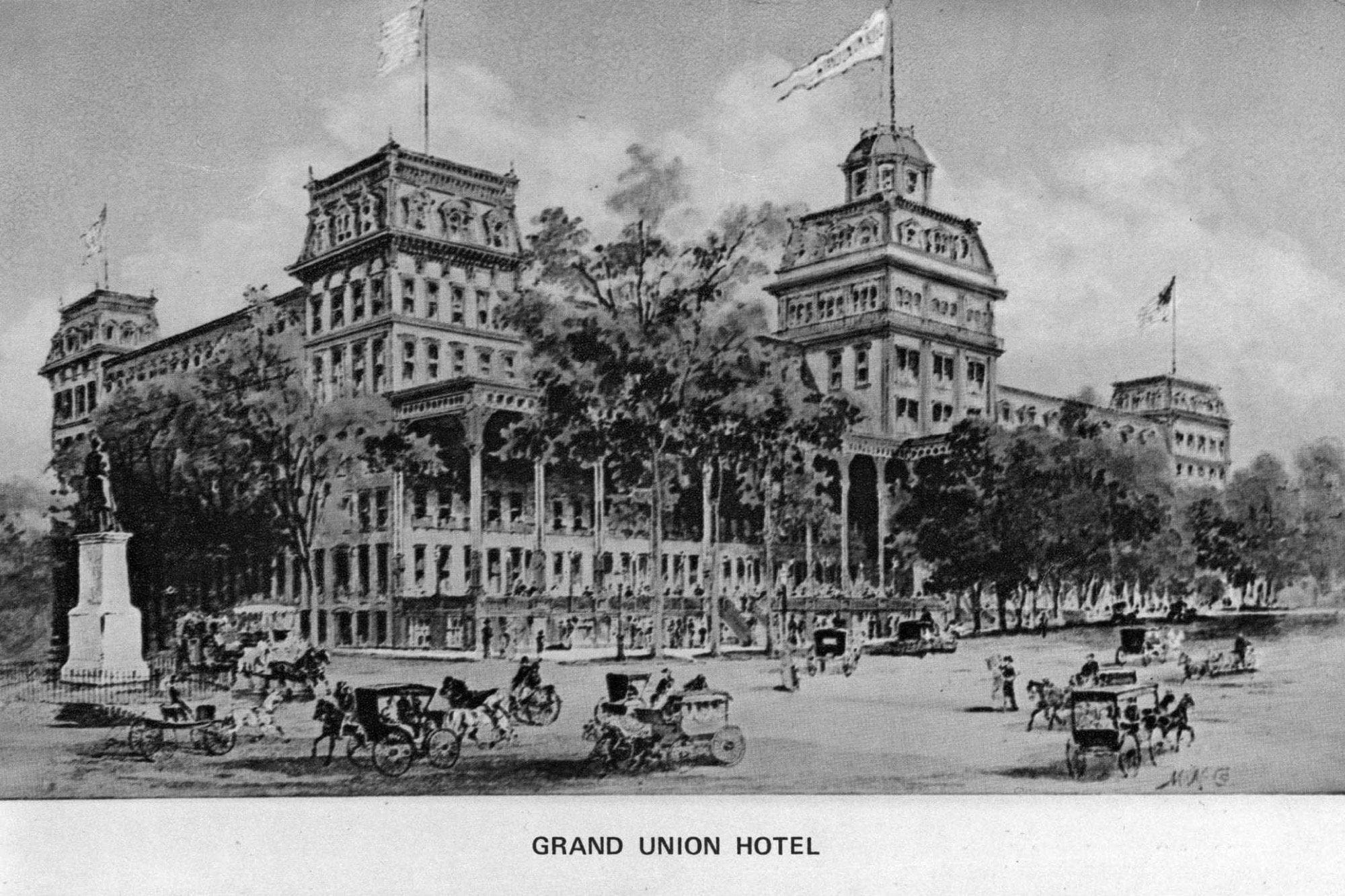
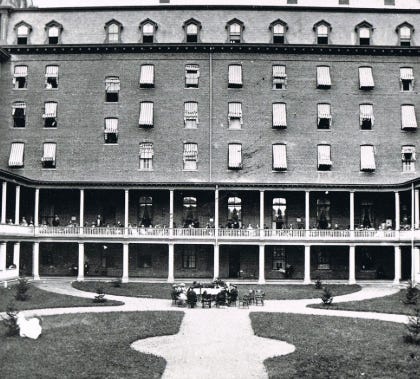
Aside from its battles, Saratoga was famous for its springs, which led to its becoming a spa town. Think of it like the Swamplands in Shrek, except people were in Gilded Age attire and it wasn’t an animated cartoon. At the turn of the 19th century, European-style spas were popular in the United States as centers of health. Thus, Saratoga served as a resort with multiple hotels in the area. Perhaps the most famous of the city was the Grand Union Hotel. Built in 1802, the Grand Union Hotel began as a boarding house before growing into the world’s largest hotel in the 1870s. The hotel dominated the Saratoga scene from 1876 to 1953, encompassing an entire city block and featuring spa bathhouses. Saratoga took on the nickname of “Queen of Spas”, drawing the likes of politicians, entertainers, aristocrats, and artists. U.S. presidents like Martin Van Buren and James Buchanan made trips up to Saratoga. At the same time, it was also a tourist destination for American authors such as Edgar Allan Poe, Washington Irving (The Legend of Sleepy Hollow), and Nathaniel Hawthorne (The Scarlett Letter). As the Spa City’s popularity continued to grow, its reputation evolved as well.
(Source: The Gideon Putnam)
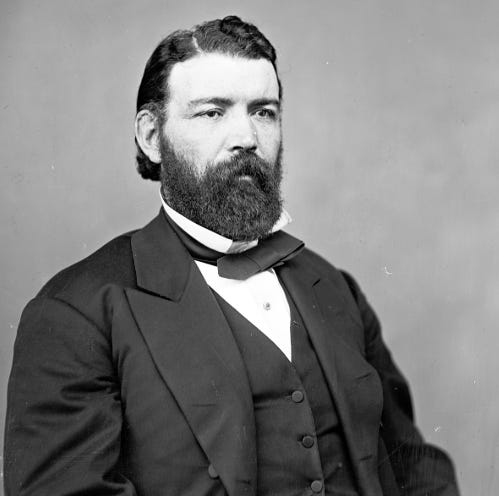
John “Old Smoke” Morrissey was an Irish-American politician and bare-knuckle boxing champion. Born in 1831 in Templemore, County Tipperary, Ireland, the Morrissey family emigrated to upstate New York when Old Smoke was a wee baby. Known for his size in those days (6’ tall & 170 lbs.), Morrissey became successful as a bare-knuckle boxer out west, fighting 49ers during the gold rush. He made more money with his fists than digging for nuggets, so he returned to New York City to continue a career in the fight game. In one of his famous brawls against a fella named Tom McCann, a stove was knocked over, spilling hot coals on the floor. Morrissey was said to be pinned on the coals, causing smoke to come off his back. Enraged, Morrissey fought back and earned the nickname “Old Smoke.”
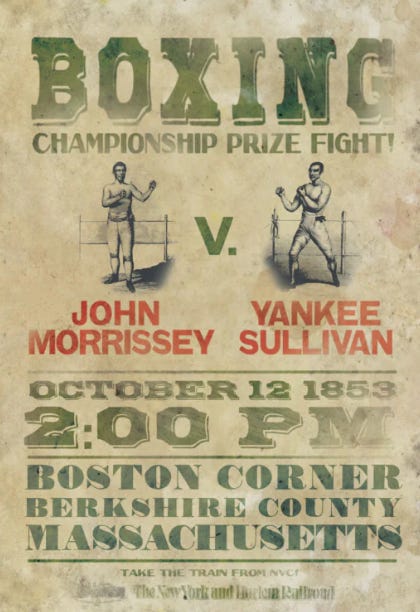
In 1853, the Irish-American’s next famous fight was against Yankee Sullivan, who was the current bare-knuckle champion. Boxing was still illegal at the time, so the fight took place in rural Massachusetts before about 3,000 people. Old Smoke outlasted Sullivan in 37 rounds to claim the title. As a result of his victory, Morrissey gained a new bitter rival in William “Bill the Butcher” Poole (portrayed by Daniel Day-Lewis in Gangs of New York) because Bill the Butcher had lost a fortune betting on Yankee Sullivan. Bill the Butcher and Old Smoke would eventually face off in the ring, but the fight ended in a disputed result. Bill the Butcher’s Bowery Boys would face off against Morrissey’s Dead Rabbits gang in multiple brawls throughout the 1850s. One such bar brawl gave way to the death of Bill the Butcher, who was shot in the leg. Morrissey was indicted for the murder of Poole, but the charges were dropped after three trials resulted in hung juries.
(Source: Irish Central)
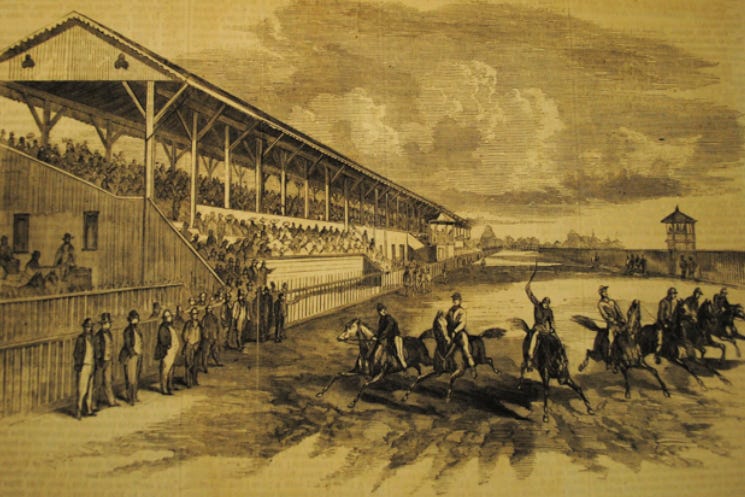
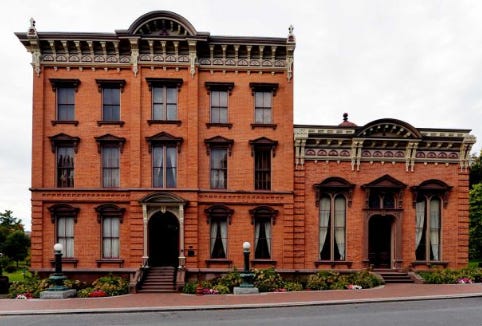
Without his arch-rival in New York City, Old Smoke found greener pastures closer to his home of Upstate New York. In 1863, he established Saratoga’s first Thoroughbred racetrack, the Saratoga Race Course. In conjunction with the horse track, Morrissey also built “The Club House” in Congress Park in 1870. The Club House was a casino in Saratoga that attracted notable guests, including Presidents Rutherford B. Hayes and Ulysses S. Grant, tycoons such as Cornelius Vanderbilt and John D. Rockefeller, plus the famous American author Mark Twain. His Club House had three rules: no ladies, cash only, and no locals allowed. Morrissey himself would go on to serve two terms in the US Congress and two in the US Senate, dying from pneumonia as a US Senator at the age of 47.
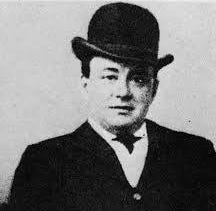
Born in New Bedford, Massachusetts, in 1855, Richard Canfield’s father was a former whaler and newspaper editor with horrible luck, while his mother was a graduate from Dartmouth. His dad’s paper failed and he died while Canfield was just a boy. Young Canfield only graduated from grammar school at 14 and immediately got into gambling, but was always able to bluff that he’d graduated from an Ivy League school like his mom. He spent his teenage years working in gaming houses before running his own poker room in Rhode Island. His next job was management at various New York and New Jersey resort establishments. The most famous spot he operated in Manhattan was known as Canfield’s Clubhouse, conveniently located next to one of the famous Delmonico's Restaurants. According to Delmonico’s A Century of Pleasure book, “The architect spent $400,000 on the remodeling, while the furniture, the Chippendale chairs, the rare porcelains, the paintings, including a room full of Whistlers, the Oriental rugs, and bibelots cost $500,000 or more. Canfield's, known as the house next door to Delmonico's, became the most sumptuous establishment of its kind ever to be seen in America.”
(Source: South Coast Today)
In 1893, Richard Canfield took his gambling winnings and partnered in Old Smoke’s Club House. Within a year of his partnership, he took it over entirely. Canfield would invest $800,000 (about $30 million today) in building up not only the Club House, which he quickly renamed Canfield Casino, but also the surrounding area known as Congress Park. The effort was to get the grounds up to the standards of the top European spa establishments while attracting high-stakes gamblers. Luxurious dining halls were built in the back of the casino and they even had early forms of air conditioning. In turn, his casino required men to dress in formal attire. Canfield paid all money won by patrons immediately from a safe located in his office that held one million dollars daily.
(Source: Saratoga History)