Stumblin' Along 11/24 '24
Bejeweled

- Thanksgiving Day Facts
Bejeweled
- Taylor Swift's Top 25 Power Rankings
- YouTube Rabbithole
Alright @YouTheReader,
This week’s Stumblin’ Along is a bunch of bullet points. Quick 10 facts about Thanksgiving coming up on Thursday and then Week to Week Notes’ 3rd Annual Autumnal Taylor Swift Top 25 Power Rankings…
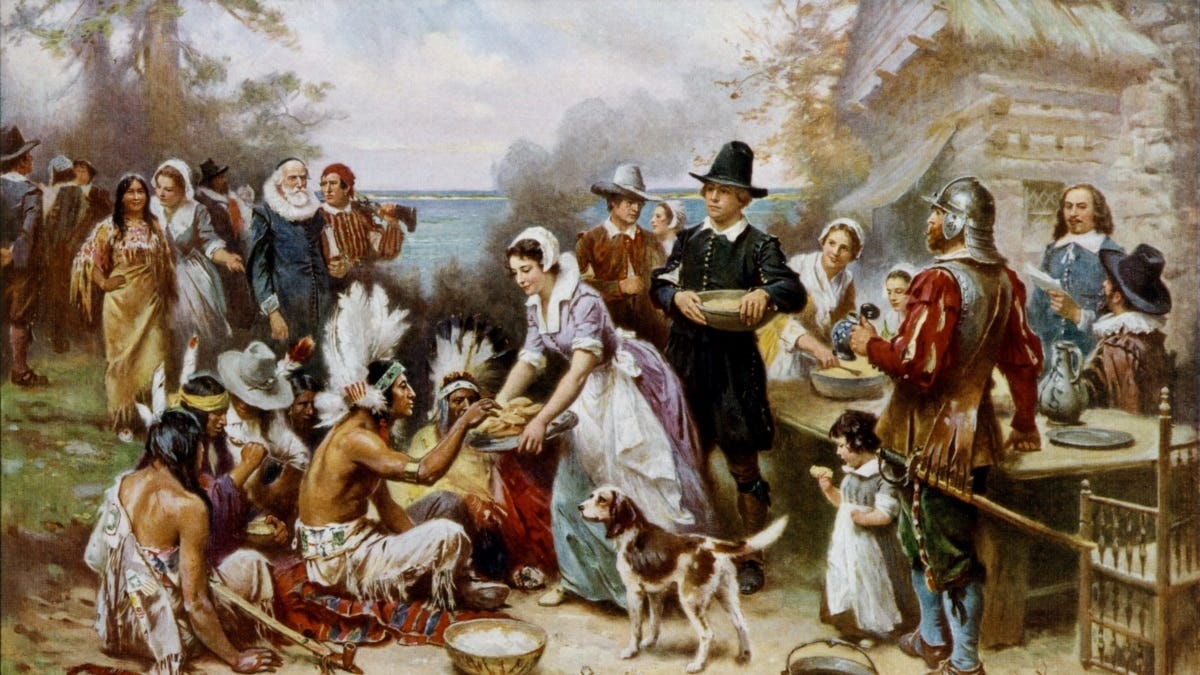
1. 1621 First Meal
In the autumn of 1621, at least 90 members of the Wampanoag Tribe and 52 English who sailed on the Mayflower got together in Plymouth, Massachusetts for a celebration of their first successful harvest. Plymouth Rock was Wampanoag land at the time and these pilgrims weren’t even the first Europeans the tribe had contacted. Some members of the Wampanoag Tribe even knew the English language. Although the Wampanoag didn’t love the idea of the settlers living on their land, they allied for strategic purposes as the Wampanoag chief Massasoit negotiated the peace treaty. The Wampanoag are said to have killed 5 deer, but no turkey was said to be served. The pilgrims were a bit straight-edge but one would have to assume there was plenty of hard cider drunk since it was a 3-day event.
(Source: National Archives)
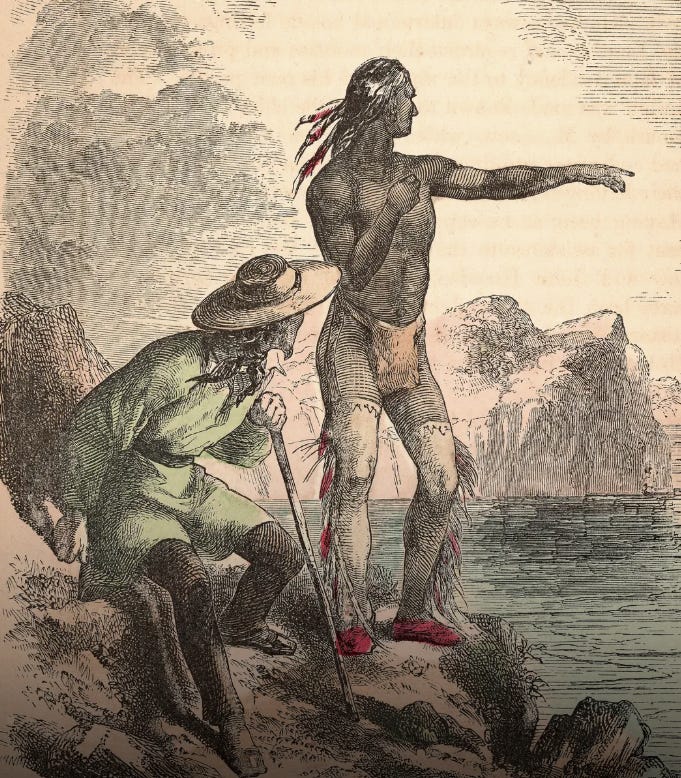
2. Real Life Squanto
One of the legends that gets told about Thanksgiving is a Native American named Squanto helped the pilgrims how to get food after they arrived on the Mayflower. The actual Squanto might have been Tisquantum. He was born around 1580 and was one of the members of the Wampanoags that knew English. Tisquantum knew the language because he was captured twice and was forced to live in England for 5 years. When he returned for good in 1619, Tisquantum played a key role in the peaceful negotiations between Wampanoag chief Massasoit and the Plymouth colonists. He also taught the pilgrims how to plant corn, as well as where to fish and hunt for beaver. Unfortunately for the real-life Squanto, Tisquantum is said to have died in December of 1622 either from contracting “Indian Fever” or by poison from Massasoit.
(Source: Mayflower)
3. Pequot War
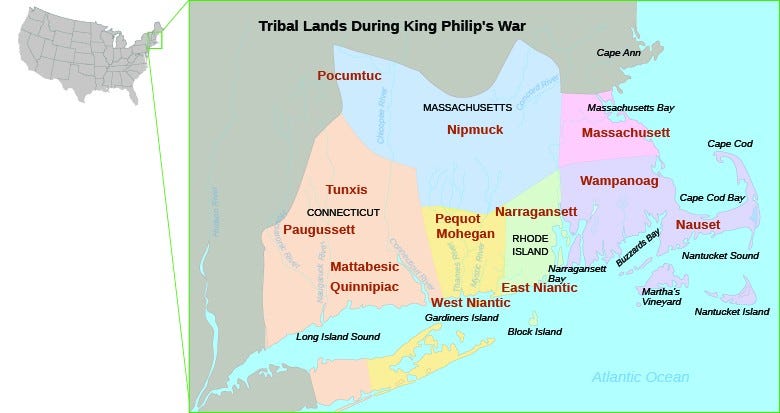
The reason the English settlers and Wampanoag had allied was because there were other neighboring tribes as well as colonists. By the 1630s, the Puritans of Massachusetts and Plymouth allied with the Narragansett and Mohegan people against the Pequot. The Pequots were based in southeastern Connecticut, the land of which the Puritans were starting to settle as their population grew. In April of 1637, 13 traders were killed by the Pequot which resulted in Massachusetts Bay Governor John Endecott mobilizing a military force. 200 Pequots responded by defiantly attacking an English settlement killing 6 men, 3 women, and taking 2 girls. The Puritans and their Native allies responded by torching a Pequot village. When the Pequots tried escaping they were met with soldiers with swords and guns. Hundreds of Pequots died as the Pequot War was one of the original conflicts involving English settlers in America.
(Source: Lumen Learning)
4. King Philip’s War
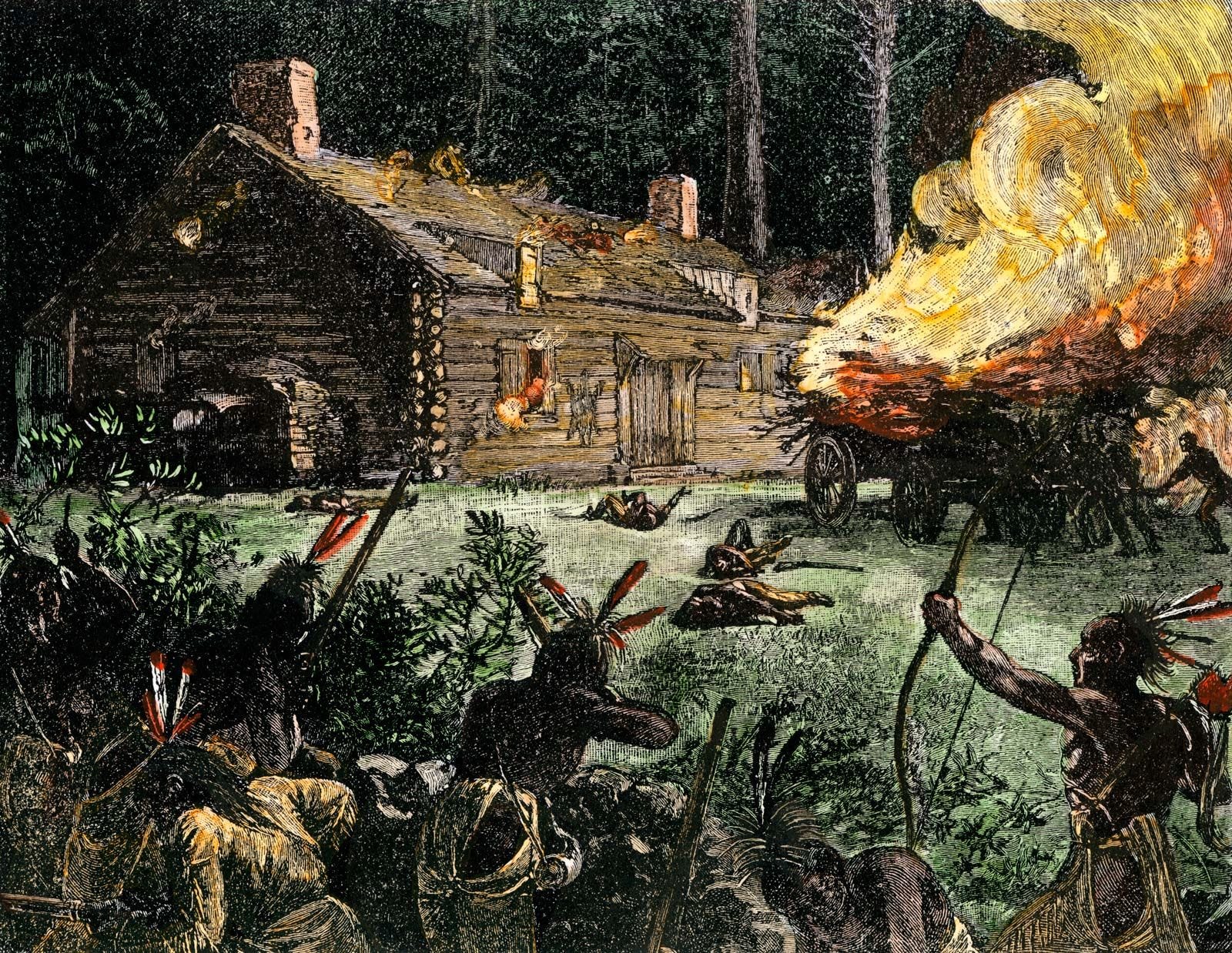
Following the Pequot War, the New England colonies Plymouth, Massachusetts Bay, Connecticut, and New Haven figured it’d be best to form their own alliance, so in 1643 they formed the New England Confederation. When Wampanoag chief Massasoit passed away in 1661, his oldest son Wamsutta took over as chief. The colonists, possibly seeing this as a power grab opportunity, arrested Wamsutta in 1662 on suspicion of plotting a war. Wamsutta died in custody, which gave way to Metacom (Massasoit’s 2nd son) to become Chief. To make things a bit more complicated, the Wampanoags started using English names so Wamsutta was known as Alexander, and Metacom was known as Philip. In 1675, King Philip (Wampanoag chief Metacom) carried out a series of raids seeking revenge for his brother’s captivity. The summer of 1675 was filled with bloodshed between the two parties at the 1621 Thanksgiving Day table. During the Great Swamp Fight of 1675, King Philip went down to New York to ask for Mohawk Tribe assistance only to be forced to retreat back up to New England as the Mohawks weren’t interested. The following year, King Philip led multiple attacks on Massachusetts, Rhode Island, Connecticut, and Maine, but was killed by English-Indian soldier John Alderman on August 20, 1676. Although there were further conflicts, King Philip’s death effectively ended the war as a Treaty of Casco was signed in 1678. Per capita, King Philip’s War is considered one of the bloodiest wars on US soil as hundreds of colonists and thousands of Indians were killed.
(Source: History)
5. George Washington’s Proclamation
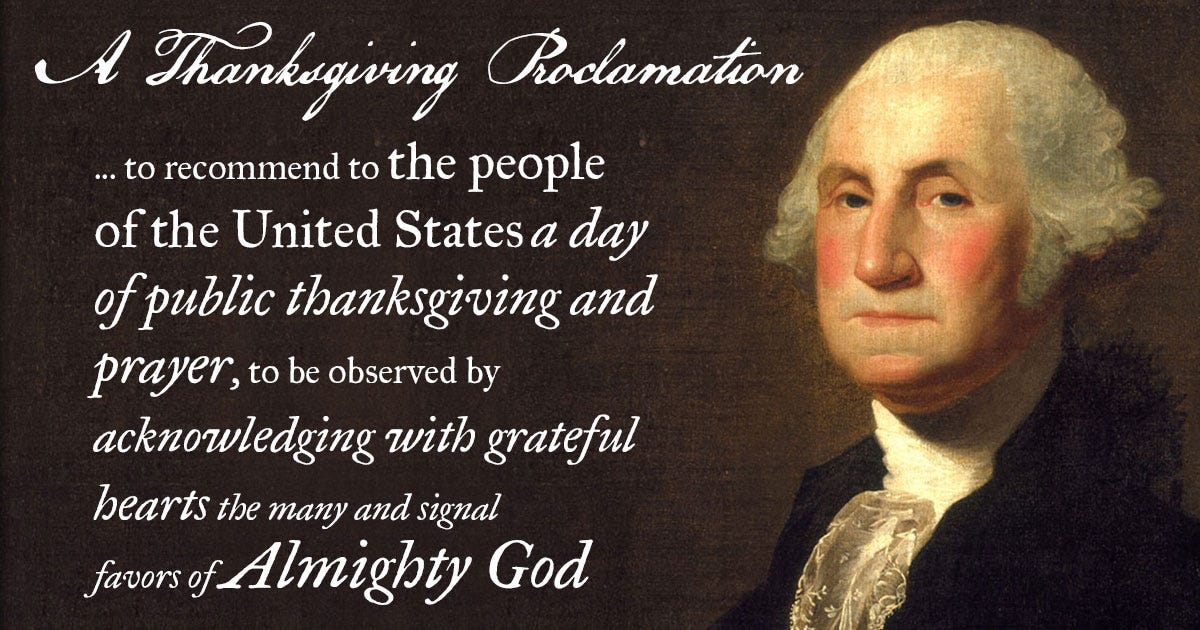
In 1789, President George Washington issued a proclamation designating November 26 of that year as a national day of Thanksgiving. Washington must’ve loved feasting because he technically made the first national Thanksgiving Day to be held on December 18, 1777, while he was commanding the Continental Army. During his 1789 Thanksgiving, Washington was in attendance at St. Paul’s Chapel in New York City as he donated beer and food. Other presidents such as John Adams and James Madison declared days of Thanksgiving as well but they never enacted it as an annual holiday, but more so one-off celebrations.
(Souce: Mount Vernon)


6. Sarah Josepha Hale
The American writer, Sara Josepha Hale, was instrumental in making Thanksgiving a National Holiday. Around the 1830s, Hale wrote Poems for Our Children, which featured Mary Had A Little Lamb. The poem popped off and she became an influential voice in the 19th century, publishing in early magazines such as Godey’s Lady’s Book. Sarah Josepha Hale must’ve been a big fan of former presidents proclaiming days of Thanksgiving because in 1846 she wrote a persuasive article asking James Polk to make it a holiday. To this day, Sarah Josepha Hale is known as the Godmother of Thanksgiving.
7. Abraham Lincoln Proclamation
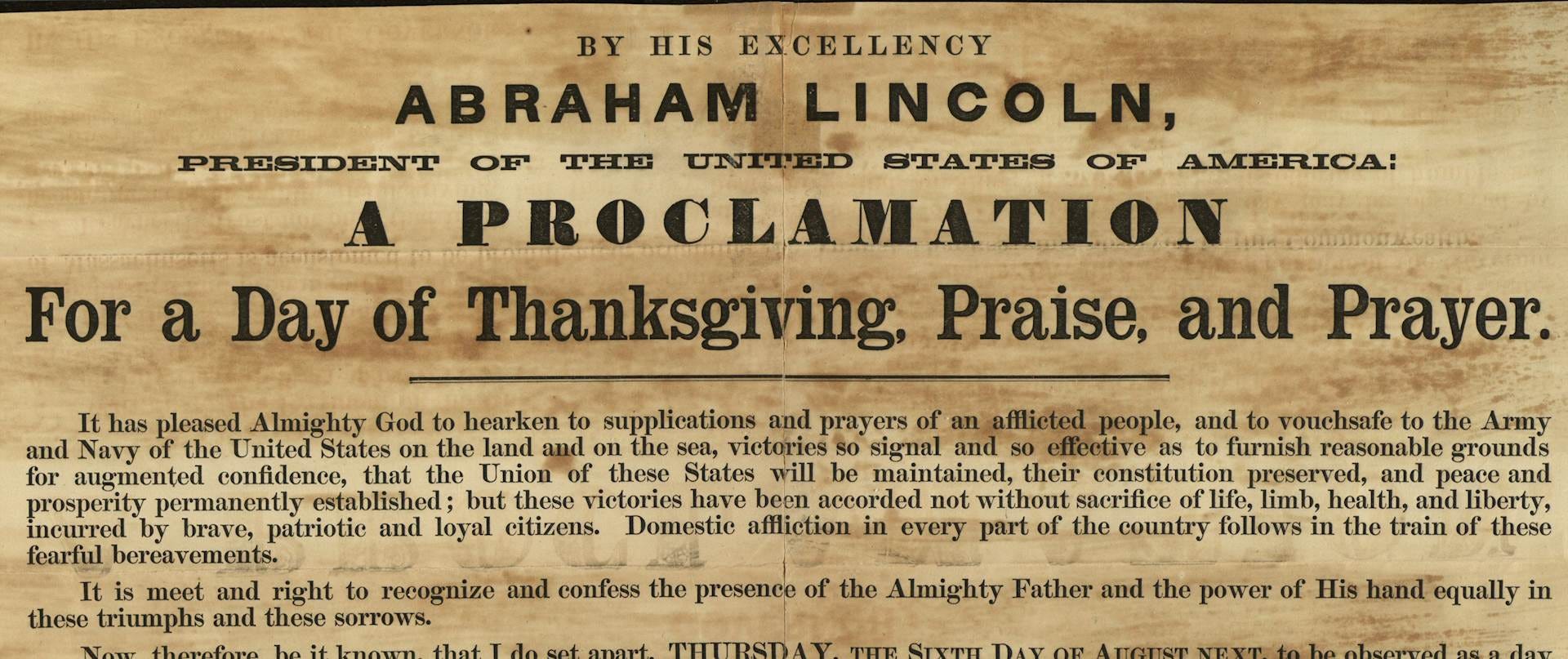
In the middle of the Civil War and 10 months after the Emancipation Proclamation, Abraham Lincoln designated “the last Thursday of November next, as a day of Thanksgiving.” After decades of Sara Josepha Hale’s campaign for the national holiday, Lincoln set the precedent for Thanksgiving Thursday in hopes of uniting the nation. Hale’s letter to Lincoln is oftentimes cited as a main factor in his decision. President FDR in 1939, attempted to move Thanksgiving to the 2nd-to-last Thursday for economic purposes so that shoppers and businesses could have a little extra time before Christmas, however, Congress in 1941 overruled FDR re-setting permanently that Thanksgiving be the last Thursday of November.
(Souce: History)
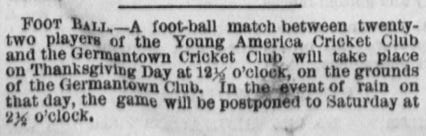
8. Football
The first recorded Thanksgiving Day Football game was between two Cricket Clubs. The Young America Cricket Club played the Germantown Cricket Club in Philadelphia, Pennsylvania. The game was held on Thanksgiving Day of 1869. On Thanksgiving Day of 18976, Yale played Princeton in Hoboken, New Jersey, which was the first-ever college football matchup played on the holiday. Yale won 2-0 on a safety, must’ve been riveting. In 1934, the Detroit Lions agreed to play on Thanksgiving Day. Lions owner, George A. Richards, owned a radio station that was an affiliate to NBC’s Blue Network. Richards, known for being a great marketer, negotiated a contract with NBC to broadcast his game on 94 stations across the country. The Lions have been playing on Turkey Day ever since. The Cowboys started playing on Thanksgiving in 1978 and then the NFL decided to add a prime-time night game of rotating teams in 2006.
(Source: Pro Football HOF)
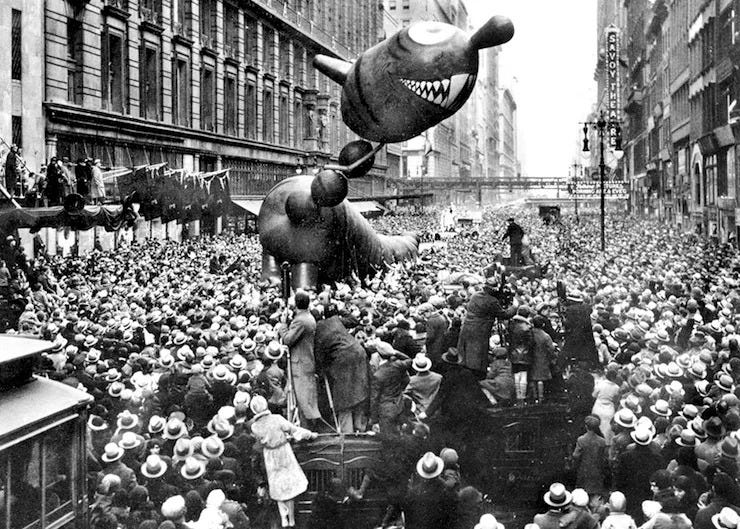
9. First Macy’s Thanksgiving Day Parade
The first-ever Macy’s Thanksgiving Day Parade took place a century ago in 1924. The original parade for Turkey Day took place in Philadelphia and was sponsored by the Gimbel Brothers Department Store in 1920. Macy’s took it up a notch by setting it in Manhattan and calling it Macy’s Christmas Parade. It was a showcase of the opening of the “World’s Largest Store” as their iconic 34th Street location was all the craze. The first New York City Roaring 20s parade featured Macy’s employees either marching or horse-drawn carts and Santa Claus was in attendance with 250,000 people in the crowd. In 1927, they started using balloons as Felix the Cat (pictured above) made his debut. By the 1930s, the parade started attracting millions as the floats and balloons became more elaborate. Lastly, by 1948 it made its TV debut with more staples like the Rockettes joining the parade in 1957.
(Source: Yahoo! Sports)
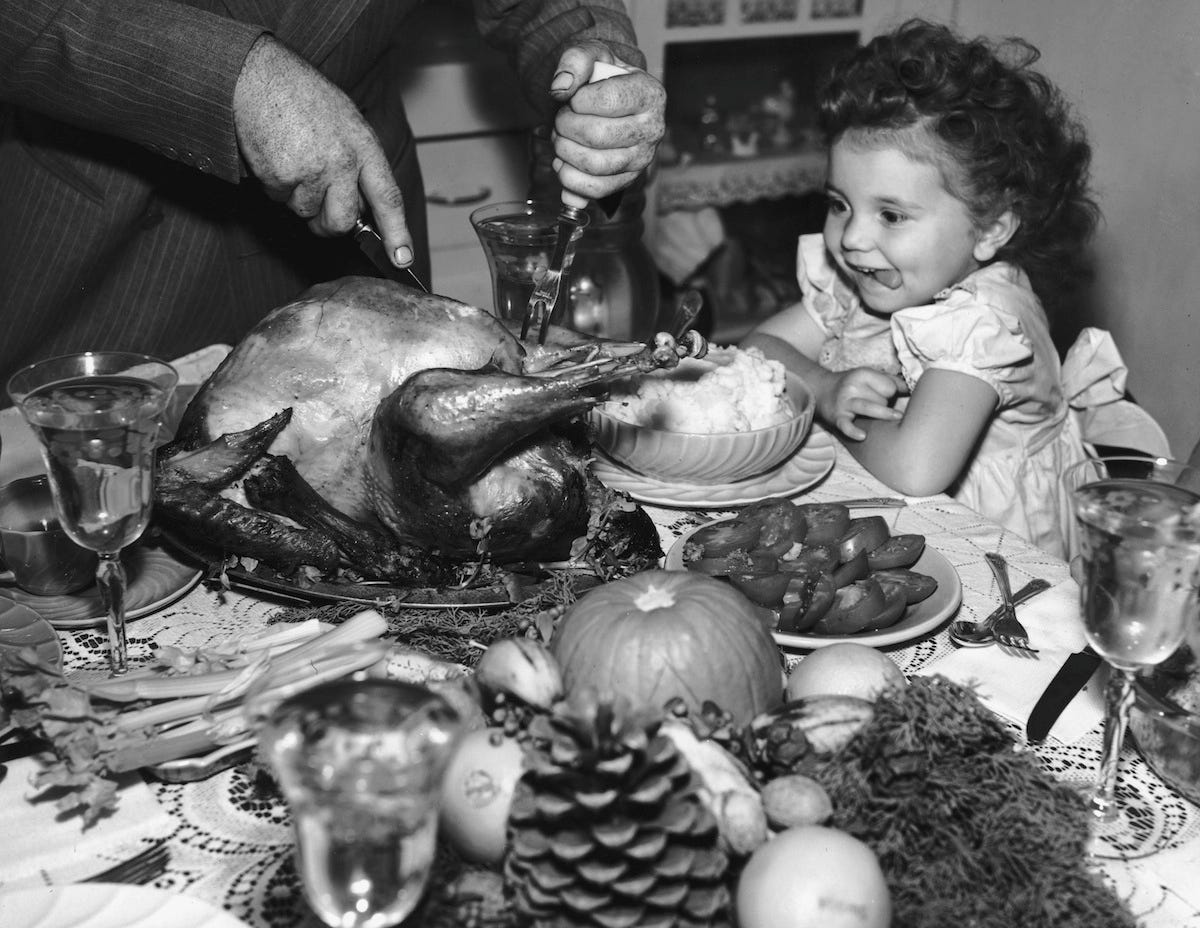
10. Turkey
Americans eat about 46 million Turkeys, or 736 million pounds of Turkey on Thanksgiving Day. The holiday alone accounts for about a fifth of turkeys eaten in the country. There seem to be quite a few reasons why, but not one definite. Sarah Joseph Hale emphasized roasted turkey in her writings to Abraham. Benjamin Franklin once called turkeys a “much more respectable bird” compared to the Bald Eagle. Alexander Hamilton, the founder of the modern banking system, said “No citizen of the U.S. shall refrain from turkey on Thanksgiving Day.” The most likely guess is the bird was large enough to feed a whole family and they were plentiful during the times of early European contact, with an estimated 10 million roaming freely before farms.
(Source: Time & US Department of Agriculture)
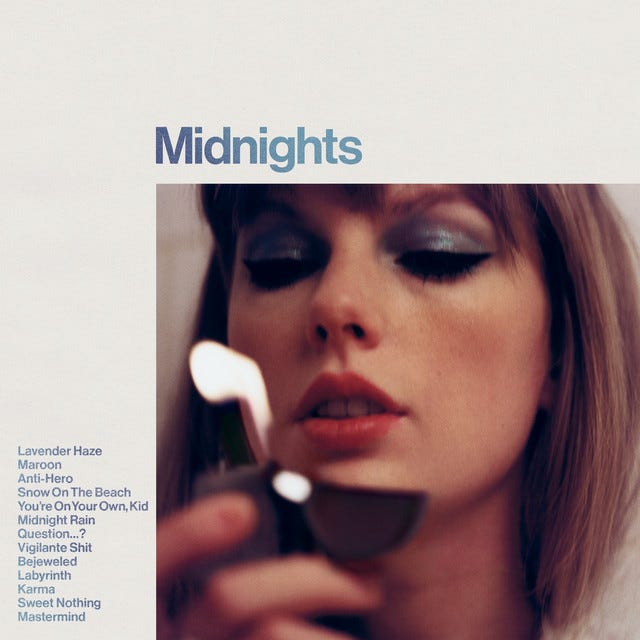
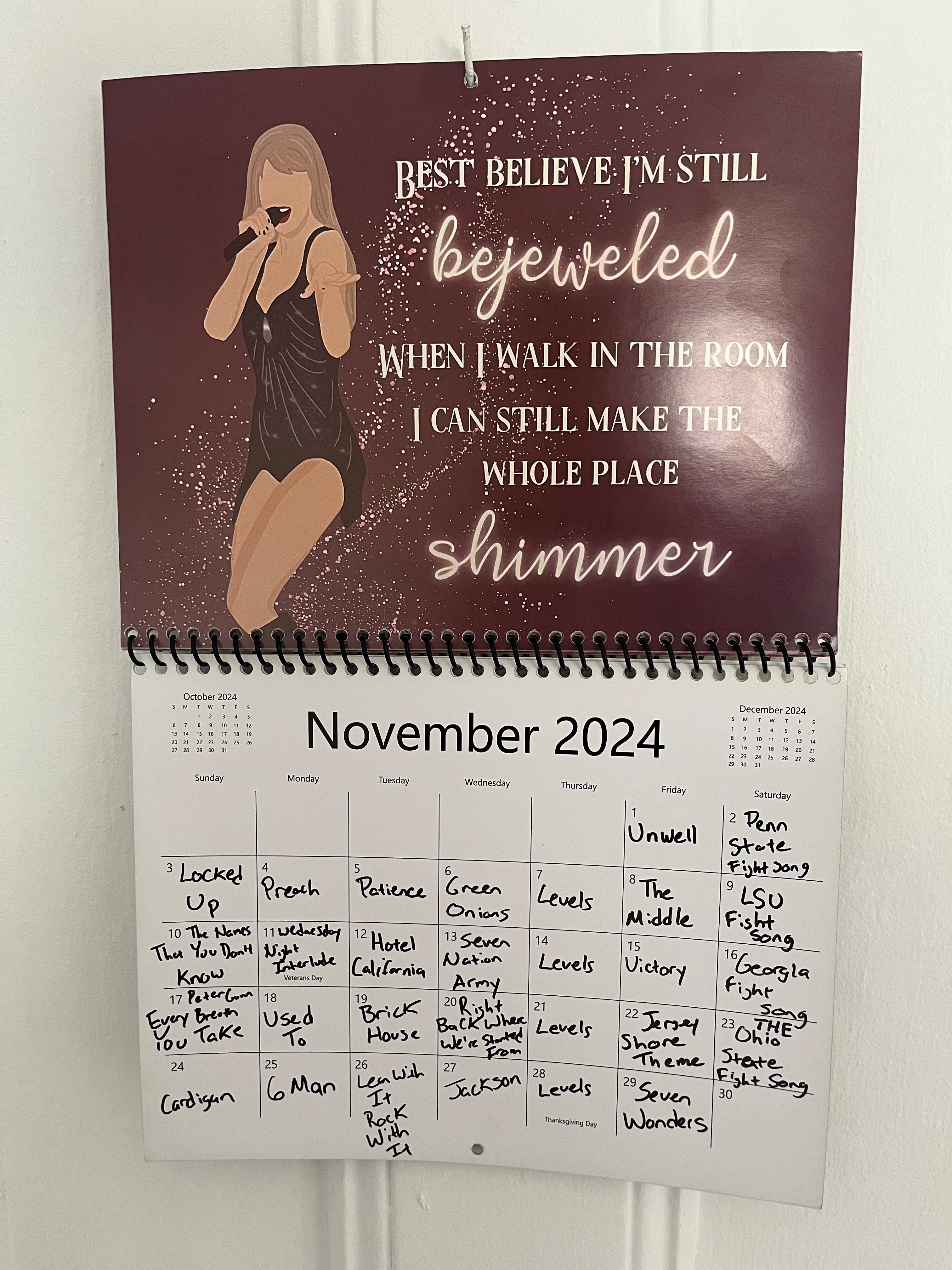
Today’s tune is T-Swift’s Bejeweled because it’s the song for the month on the calendar my mother gifted me for Christmas last year.
Rather than dissecting the lyrics and trying to make the room shimmer, here is Week to Week Notes’ annual updated Taylor Top 25 Power Rankings of Songs…
25. the 1 (the long pond studio sessions)
It probably should be listed a bit higher on the list. In my defense, I have none. As always, gotta show my fellow Swifties these rankings mean business. Fellas, make sure you listen to the Long Pond Studio session version. Thank me later.
24. Lover
- Basically, it's a Christmas song. FYI my 25 has variety for all seasons and all her eras, except the latest album…It just didn’t speak to me like her older work.
23. Tear Drops on My Guitar
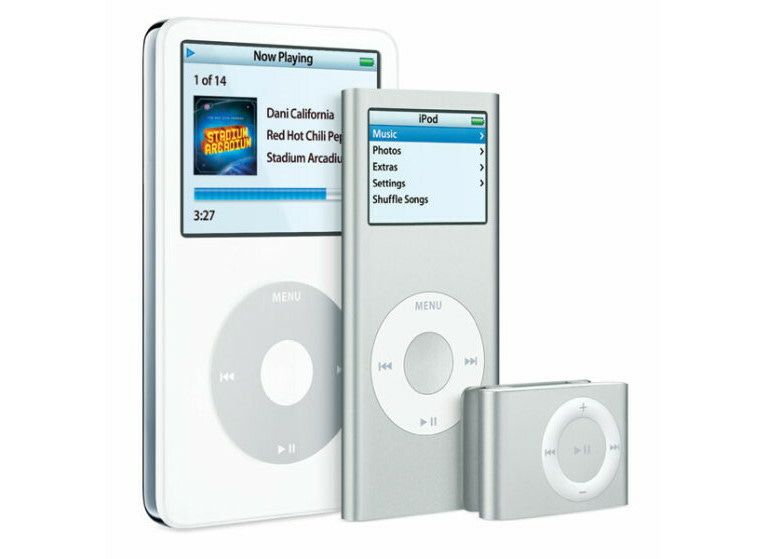
- Only true Swifties would’ve had this on their iPod before there were touch screens.
22. Mine (Taylor’s Version)

- Classic Happy Taylor Swift, sung with such pure innocence.
21. Midnight Rain
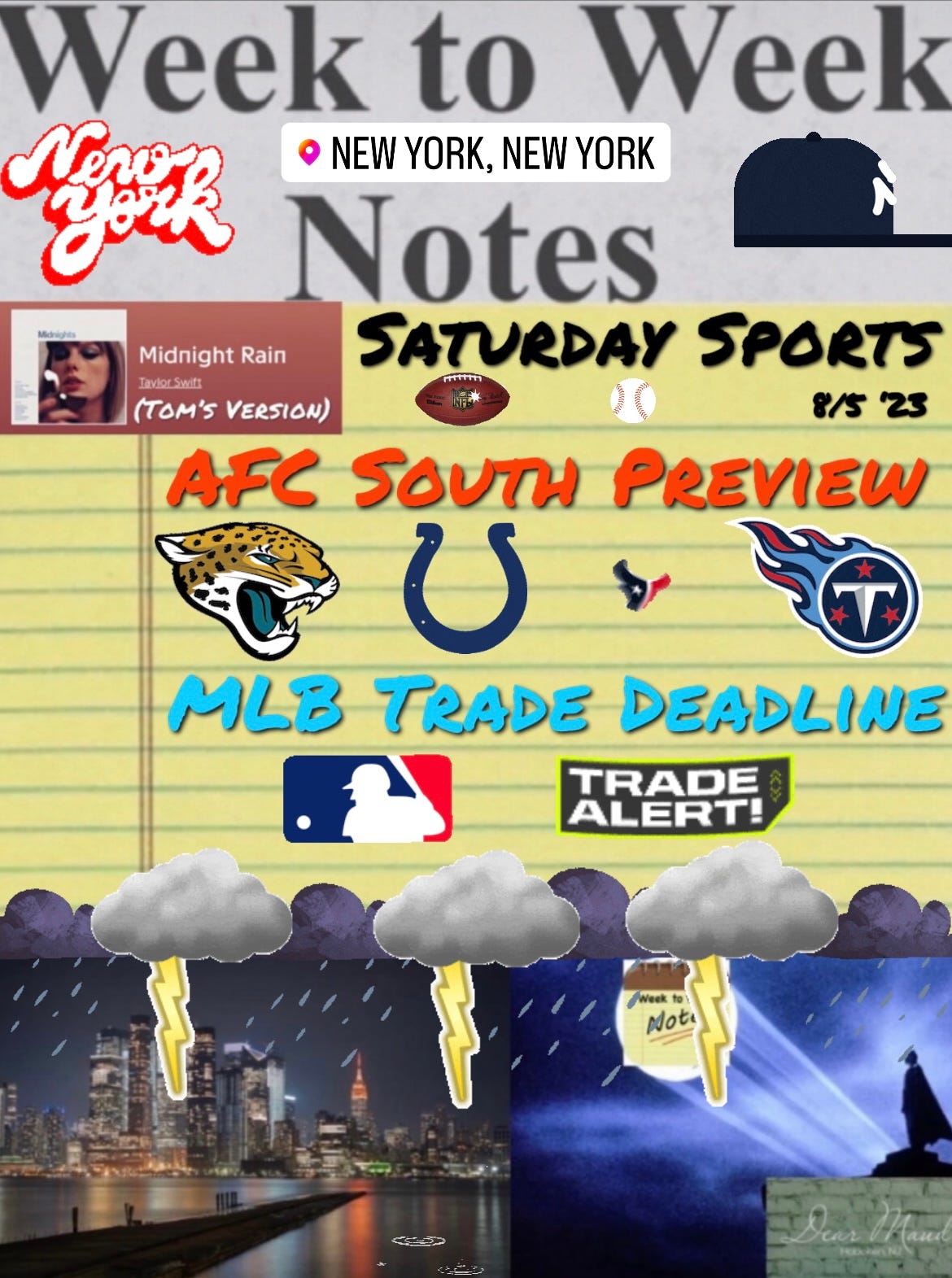
- It has a different vibe and sound from most of her songs. Also, I made a clean Reel to this song, so I’m biased.
20. Last Great American Dynasty
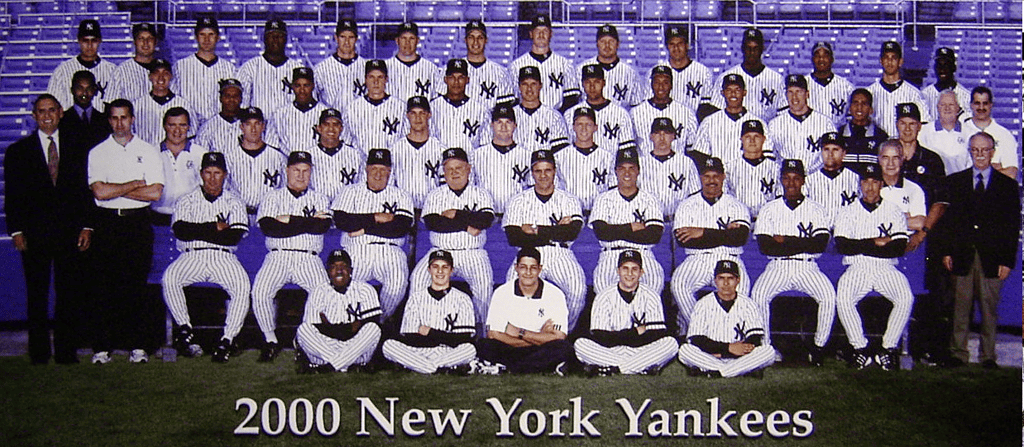
- The fact that she would write a song about the Bernie-Jeter ‘90s Yankees gives me goosebumps to this day.
19. right where you left me
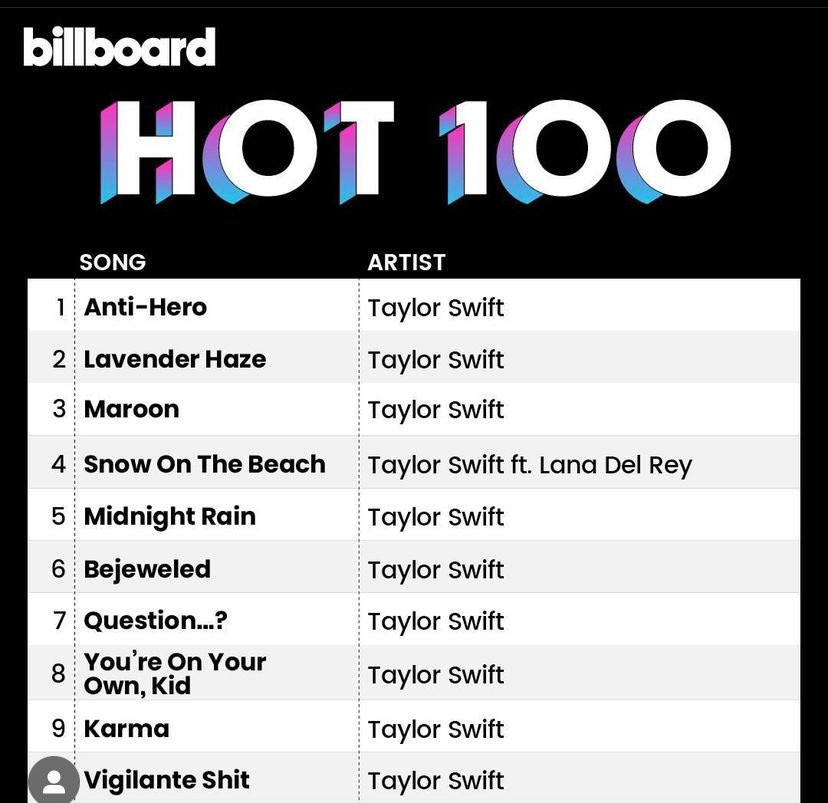
- Trends change, rumors fly, yet, T-Swift stays at the top of the charts, right where we last left her.
18. Champagne Problems
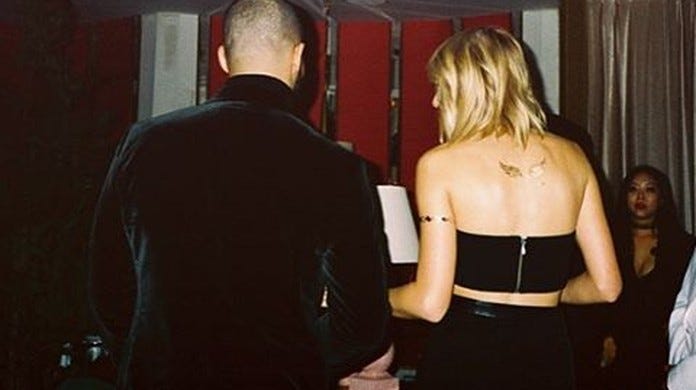
- The Drake feature on this song is always a welcome surprise.
17. You Belong With Me
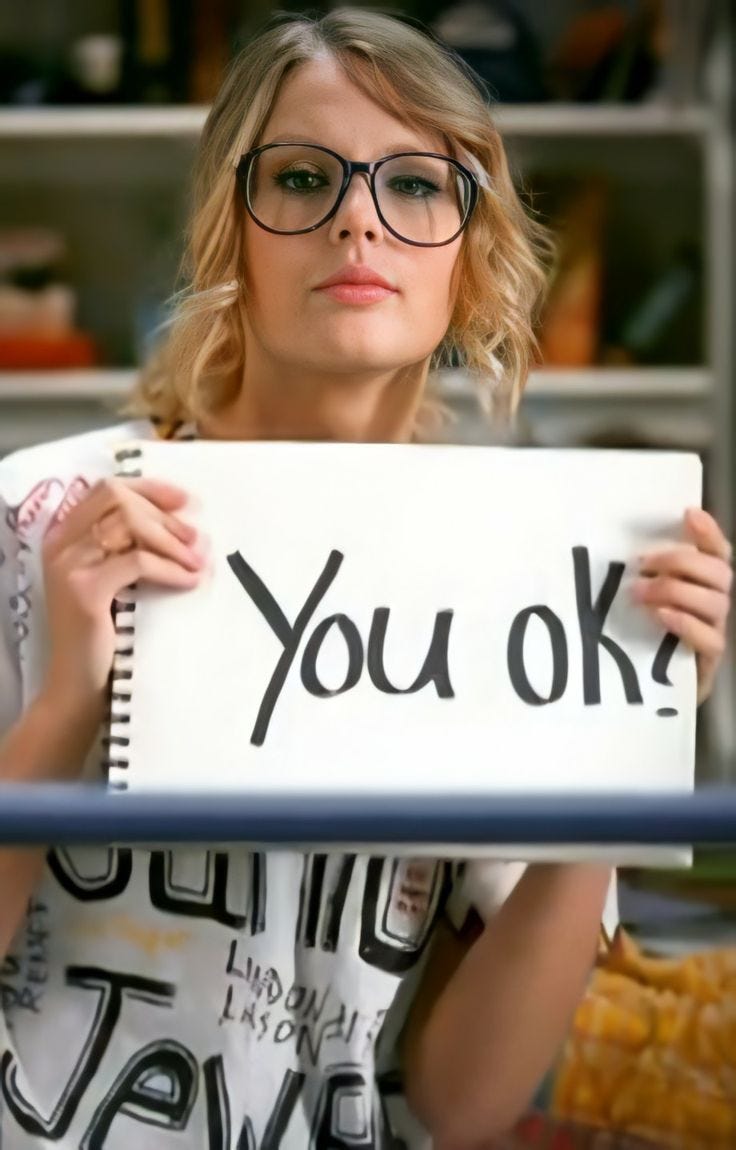
- This song came out 15 years ago, sheesh, that’s not ok.
16. marjorie
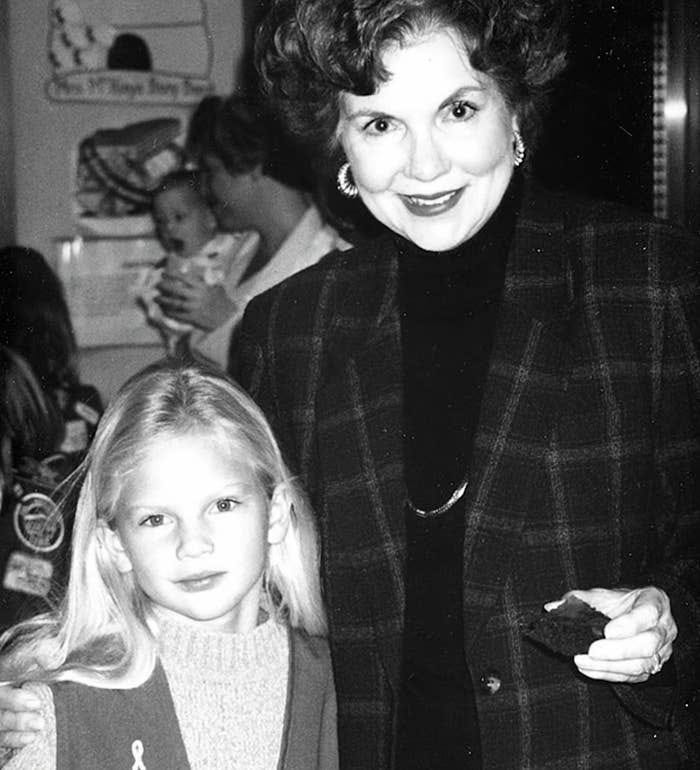
- Never be so kind you forget to be clever. Never be so clever you forget to be kind. I don’t even have a stupid joke bullet point for this one. It’s about her grandma, Marjorie, who was a singer too. Nice tribute.
15. Red (Taylor’s version)
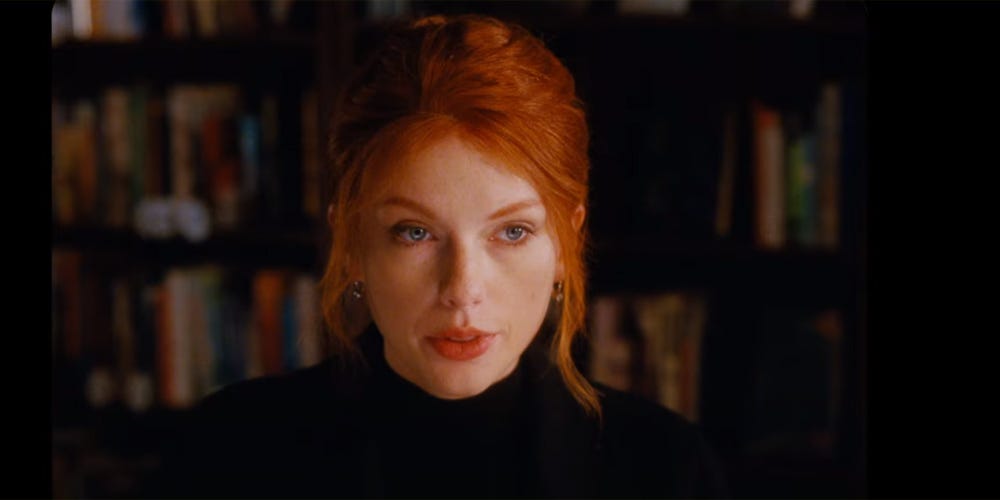
- It doesn’t get talked enough about how Taylor Swift really put redheads on the map. Very brave of her to give us a soul.
14. this is me trying
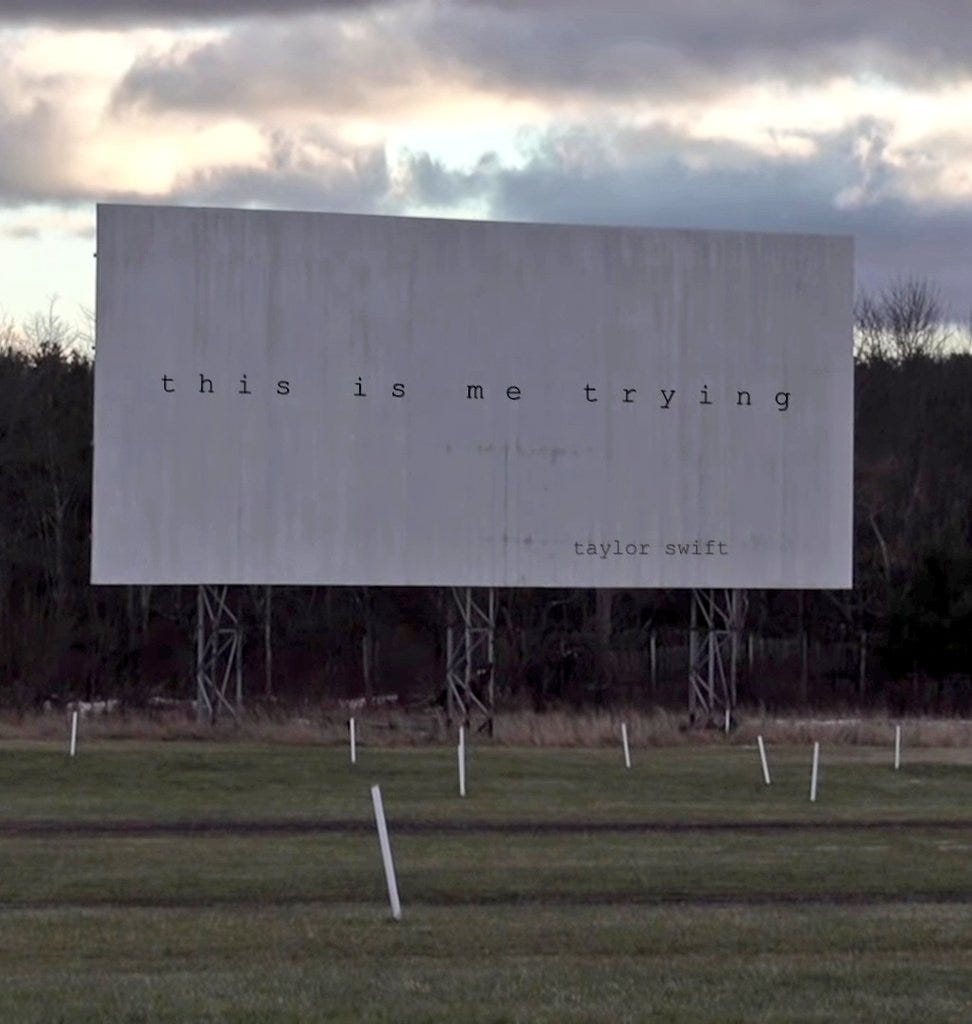
- I just wanted you to know, that this is me trying to make content for casual fans who may not typically read about sports.
13. Maroon
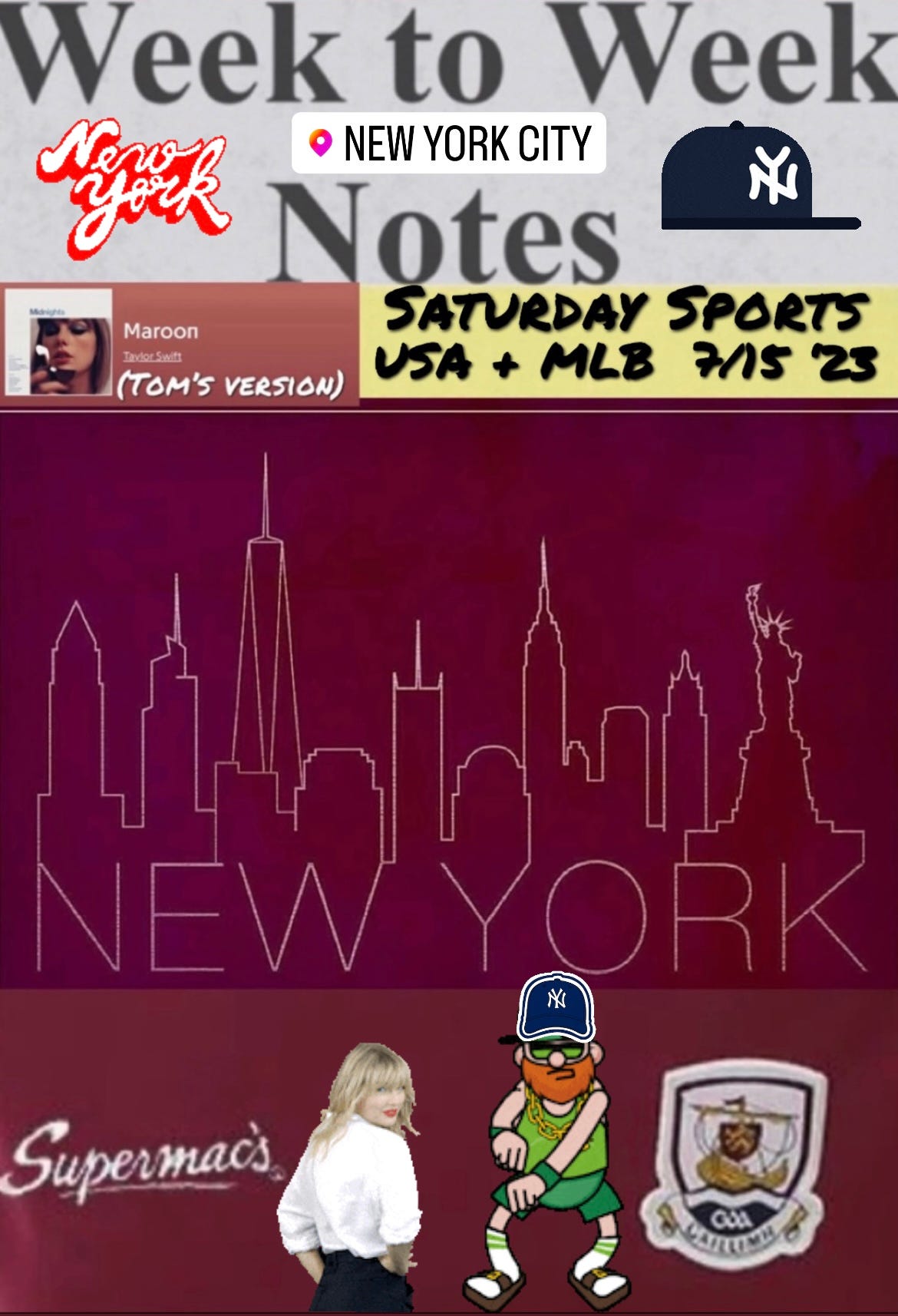
- Maroon is an underrated color. Galway picked a winner.
12. exile
- You know I’m a fan of a good duet. Bon Iver with some elite vocals.
11. my tears ricochet

- The 2:28 mark drop/beat switch-up still hits every time.
10. Blank Space
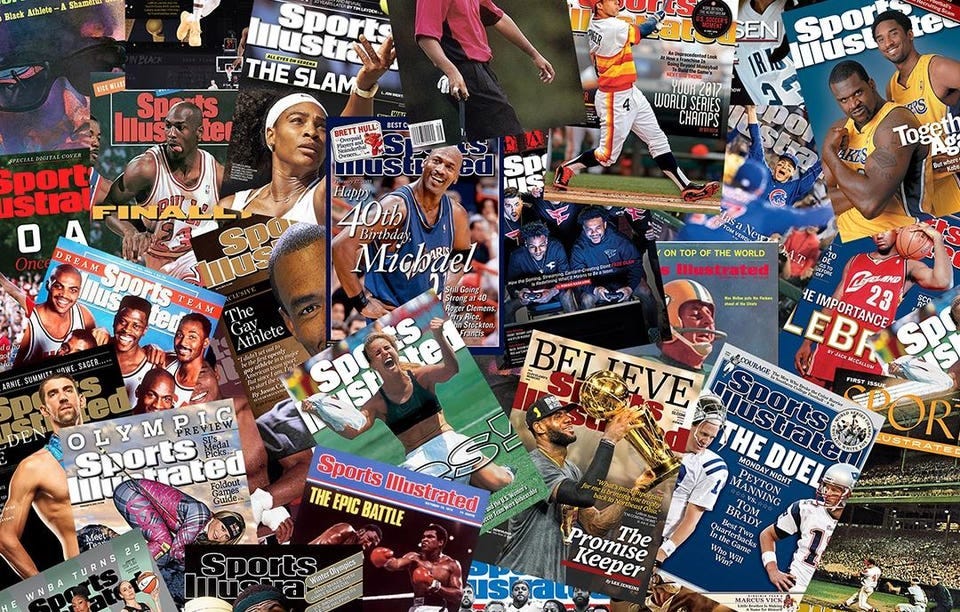
- You could read Week to Week Notes like a magazine, ain’t it funny? Or maybe a daily column, a blog, or whatever you want to call the Notes.
9. cardigan
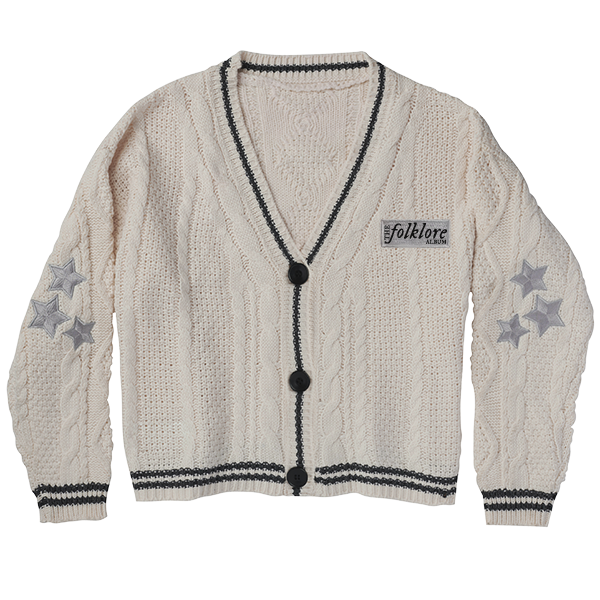
- Sweater season is upon us. I can’t rock a cardigan but more power to those who can.
8. Our Song
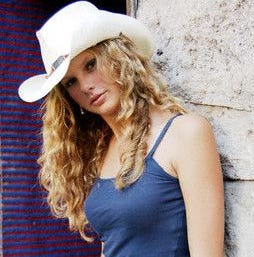
- Old school Taylor with a twang. Enough said.
7. Delicate - Seeb Remix
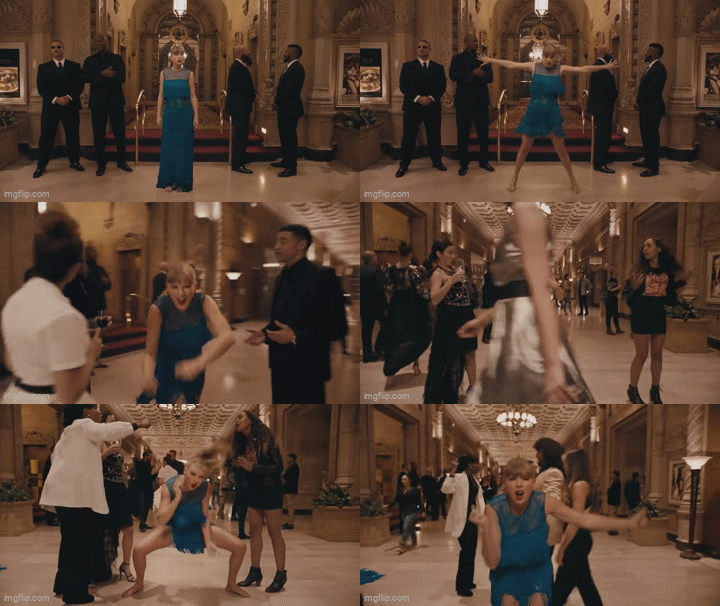
- I’ve been to plenty of dive bars on the east side in search of the perfect pint of Guinness. Pretty much always in dark jeans with Nikes too, just in case.
6. mirrorball
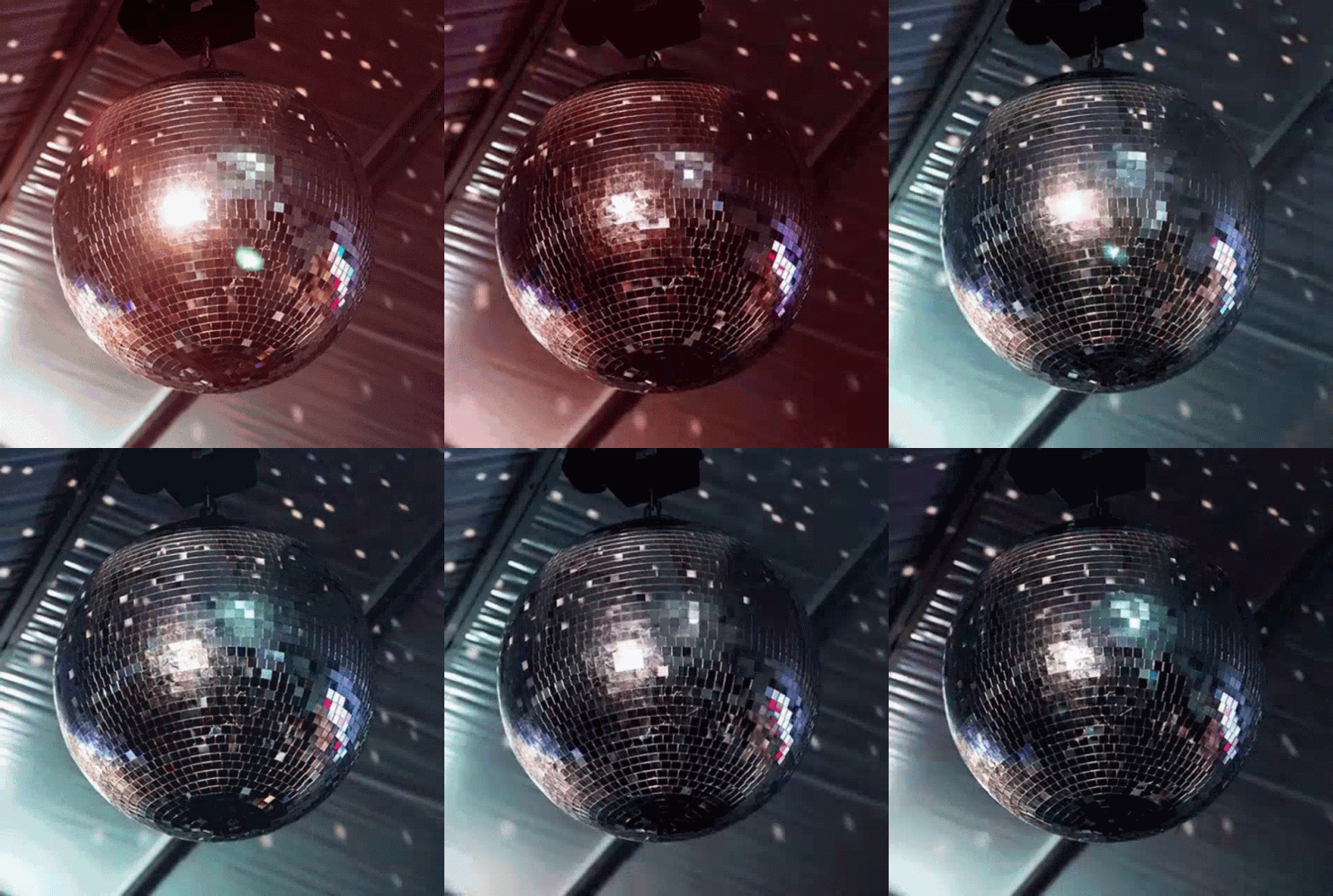
- I would’ve always called this a disco ball, credit to this song for teaching me the proper name of it.
5. You’re On Your Own Kid
- Puts me in a puddle, just an absolute puddle.
4. Love Story
- Fellas, I’m sorry, what can I say, it’s always been catchy. Hell, even Wedding Crashers is sorta a love story.
3. Wildest Dreams (Taylor’s Version)
- I had this wildest dream that I asked Taylor Swift out for a pint of Guinness on Week to Week Notes. Imagine that? How embarrassing. Thank goodness nobody’s reading through to the end of this list.
2. Anti-Hero
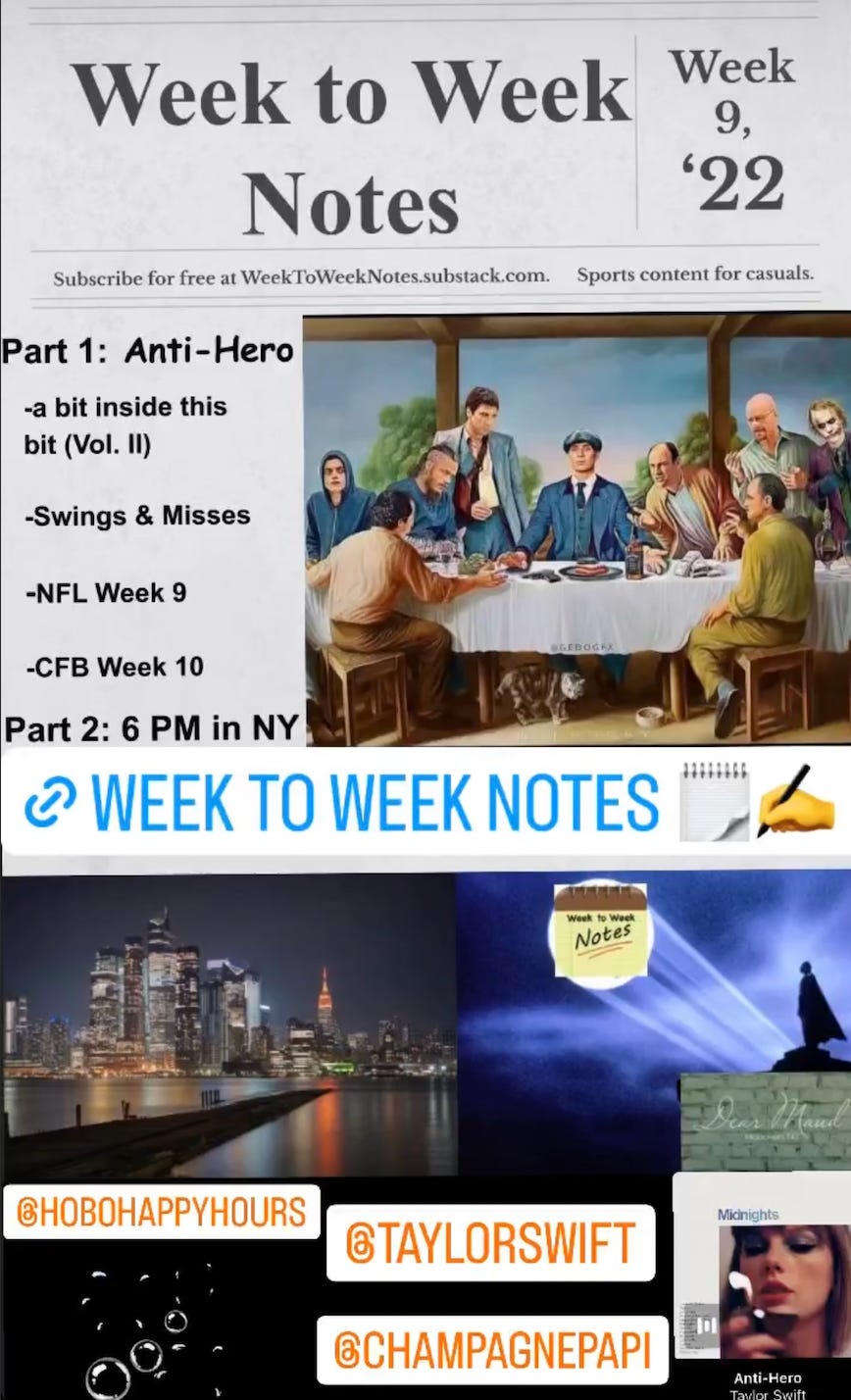
- I have this thing where I get older but just never wiser. This song was a massive hit 2 years ago and it was one of the first today’s tune. Still an enjoyable listen.
1. All Too Well (Sad Girl Autumn Version)